
TV Show spotlight
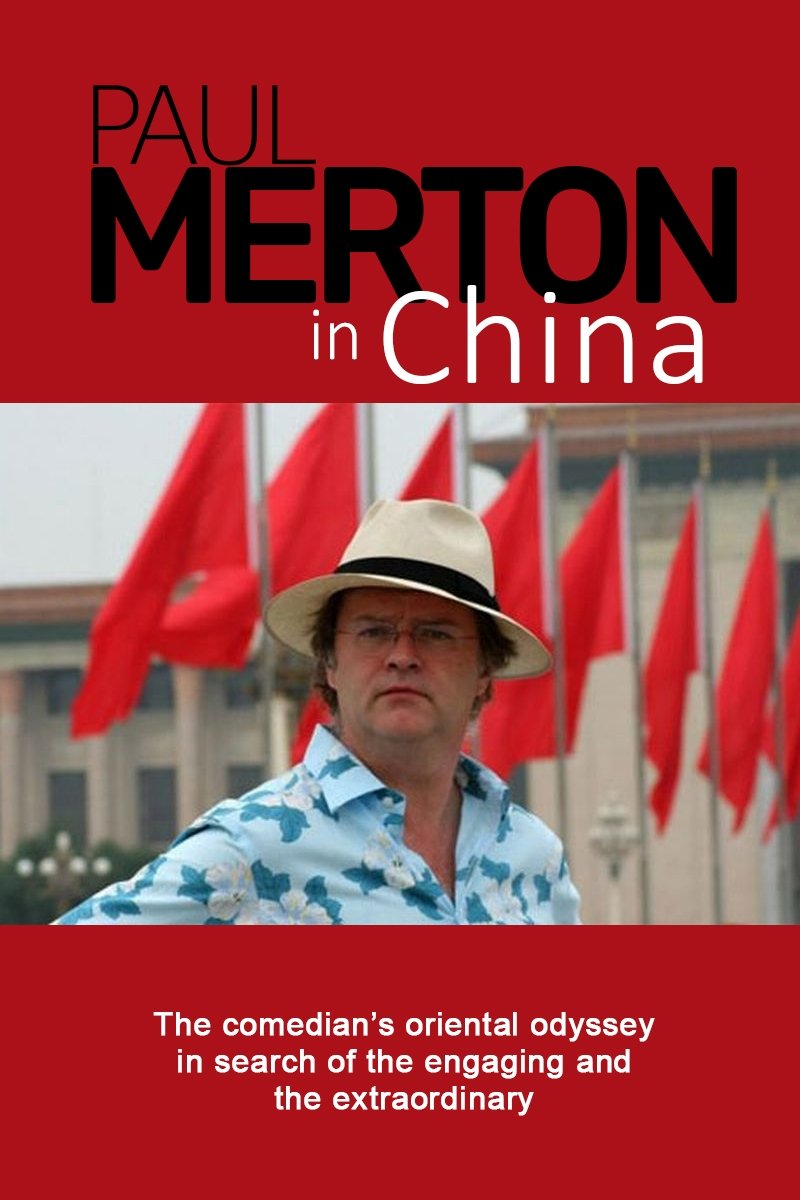
Paul Merton in China
Paul Merton in China was a four-part television series broadcast on Five commencing from 21 May 2007. It follows the journey of Paul Merton, comedian and writer, and his interpreter Emma, as they voyage across the country, exploring Chinese culture, expansion and change from Mao Zedong's reign. The series was a hit for Five and Merton confirmed on Michael Parkinson's show that a second series entitled Paul Merton in India had been commissioned. The theme music from Channel Five's advertisement is Michel Legrand's Di Gue Ding Ding, which was also used as the theme music to Heston Blumenthal's series In Search of Perfection aired concurrently on BBC Two. All four episodes were released on DVD in late October 2008.
Insights
Plot Summary
Comedian Paul Merton embarks on a personal journey through China, exploring its rich history, diverse culture, and modern transformations. Across three episodes, he visits iconic landmarks, interacts with local people, and shares his unique, often humorous, observations on the country's past and present.
Critical Reception
Critically, the series was generally well-received for its engaging and personal approach to travel documentary. Critics praised Paul Merton's distinctive comedic style and his ability to connect with the subject matter in an accessible way, making complex historical and cultural topics digestible and entertaining for a broad audience. While not a box-office sensation, it found a solid viewership among fans of travelogues and British comedy.
What Reviewers Say
Praised for Paul Merton's unique comedic perspective on travel.
Seen as an engaging and informative look at Chinese culture and history.
Appreciated for making complex topics accessible and entertaining.
Google audience: Audience reviews often highlighted Paul Merton's characteristic humor and his genuine curiosity about China, making the series an enjoyable and lighthearted exploration of the country.
Fun Fact
During filming, Paul Merton reportedly learned to say a few basic phrases in Mandarin, which he often used to humorous effect when interacting with locals.
AI-generated overview · Verify ratings on official sources