TV Show spotlight
Colosseum
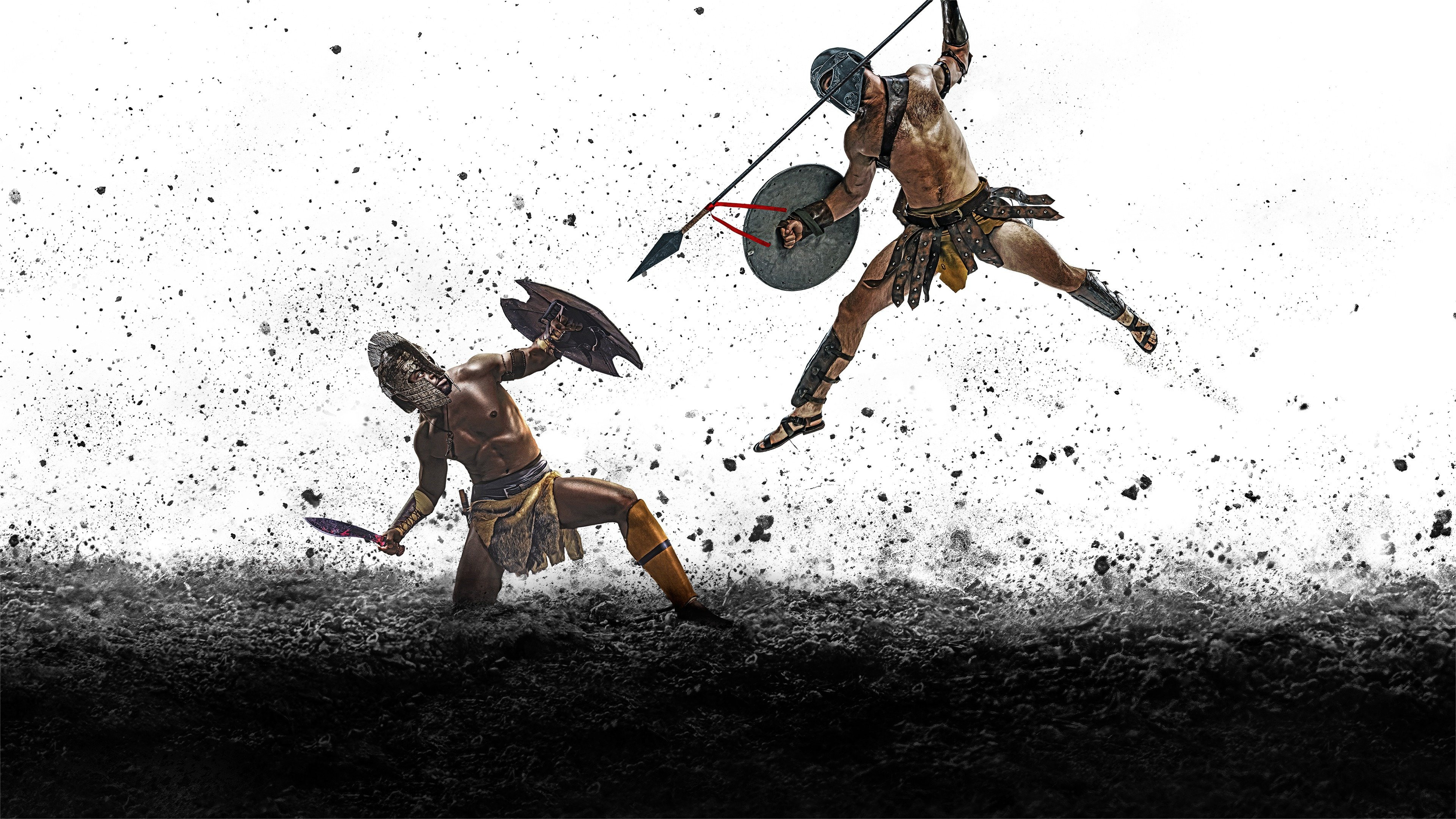
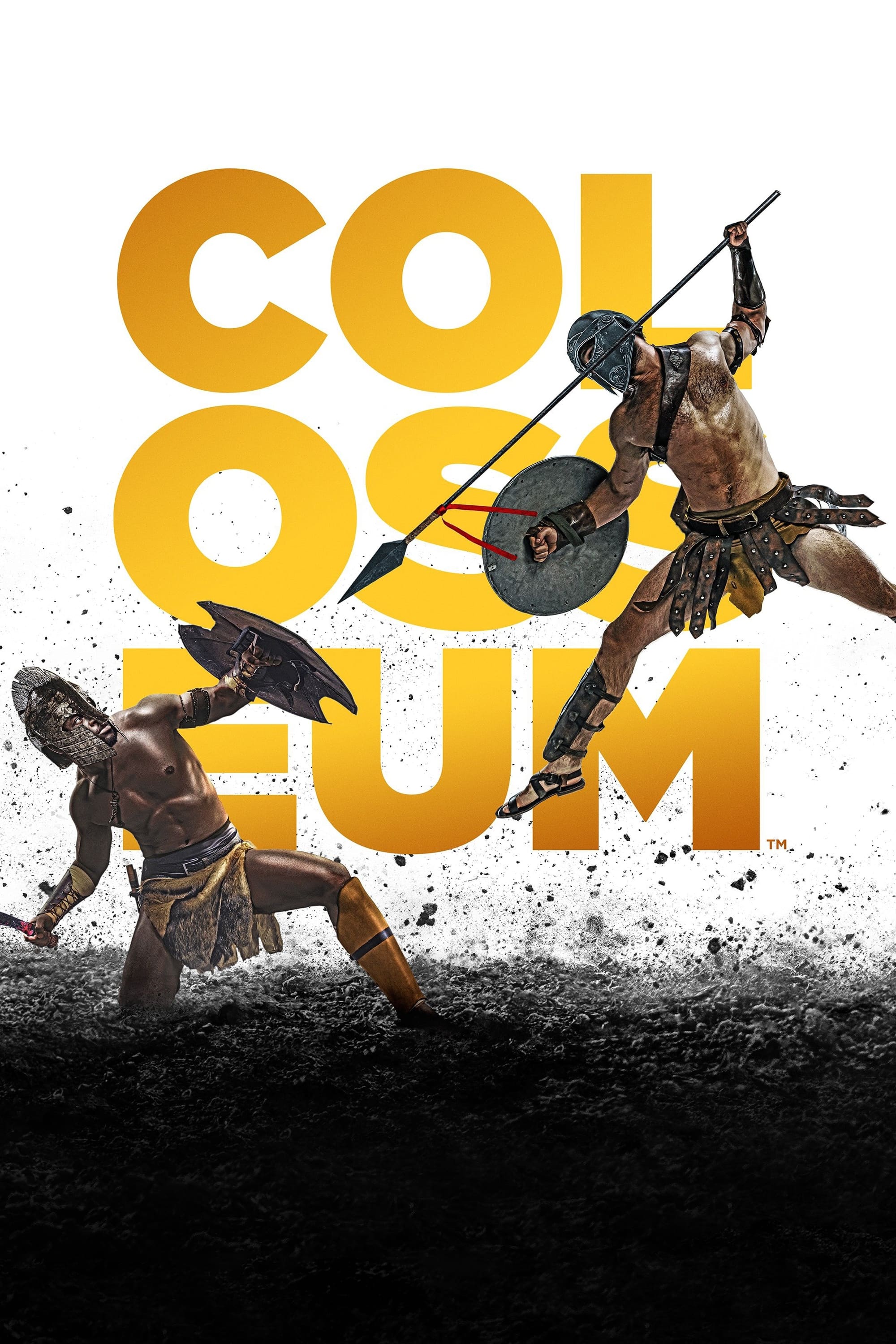
This series brings the rise and fall of the Roman Empire to life through the lens of one of the most exhilarating and brutal arenas in the history of humanity: the Colosseum. From the savage truth of a gladiator's life as a slave-warrior to the fascinating ways Rome's emperors used the vast amphitheater to demonstrate total power, "Colosseum" offers a unique and personal look inside history's most iconic empire. Spanning several hundred years, the series unfolds chronologically, from the arena's incredible opening day to its very last games.
Insights
Plot Summary
The documentary series "Colosseum" delves into the history and construction of the iconic Roman amphitheater. It explores the engineering marvels, the brutal gladiatorial contests, and the social and political significance of the Colosseum in ancient Rome. The series also examines the lives of those who fought and died within its walls, as well as the emperors and spectators who filled its stands.
Critical Reception
As a documentary series focused on historical accuracy and presentation, "Colosseum" has generally been well-received by audiences interested in Roman history. Critics often praise its detailed exploration of the structure and its context, along with its engaging narration and visual reconstructions, though specific critical reviews are not widely aggregated.
What Reviewers Say
Praised for its comprehensive historical overview of the Colosseum.
Commended for its engaging visual elements and explanations of Roman engineering.
Often cited as a good resource for understanding the cultural impact of the amphitheater.
Google audience: Audience reception for 'Colosseum' is generally positive, with viewers appreciating the detailed historical insights and the visual reconstructions that bring the ancient structure to life. The series is often recommended for its educational value and thorough exploration of Roman history and society through the lens of the iconic arena.
Fun Fact
The Colosseum, originally known as the Flavian Amphitheatre, could hold an estimated 50,000 to 80,000 spectators and was used for gladiatorial contests, public spectacles such as mock sea battles, animal hunts, executions, re-enactments of famous battles, and dramas based on Classical mythology.
AI-generated overview · Verify ratings on official sources