The Last Days of Pompeii
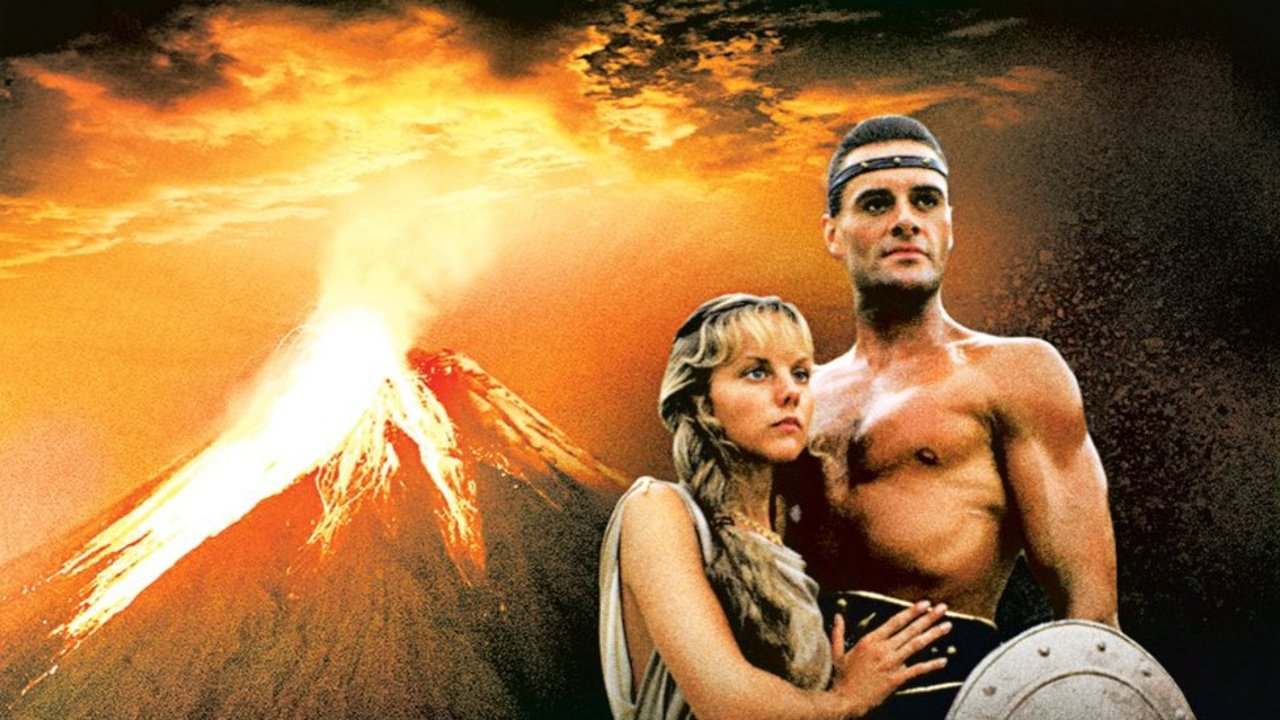
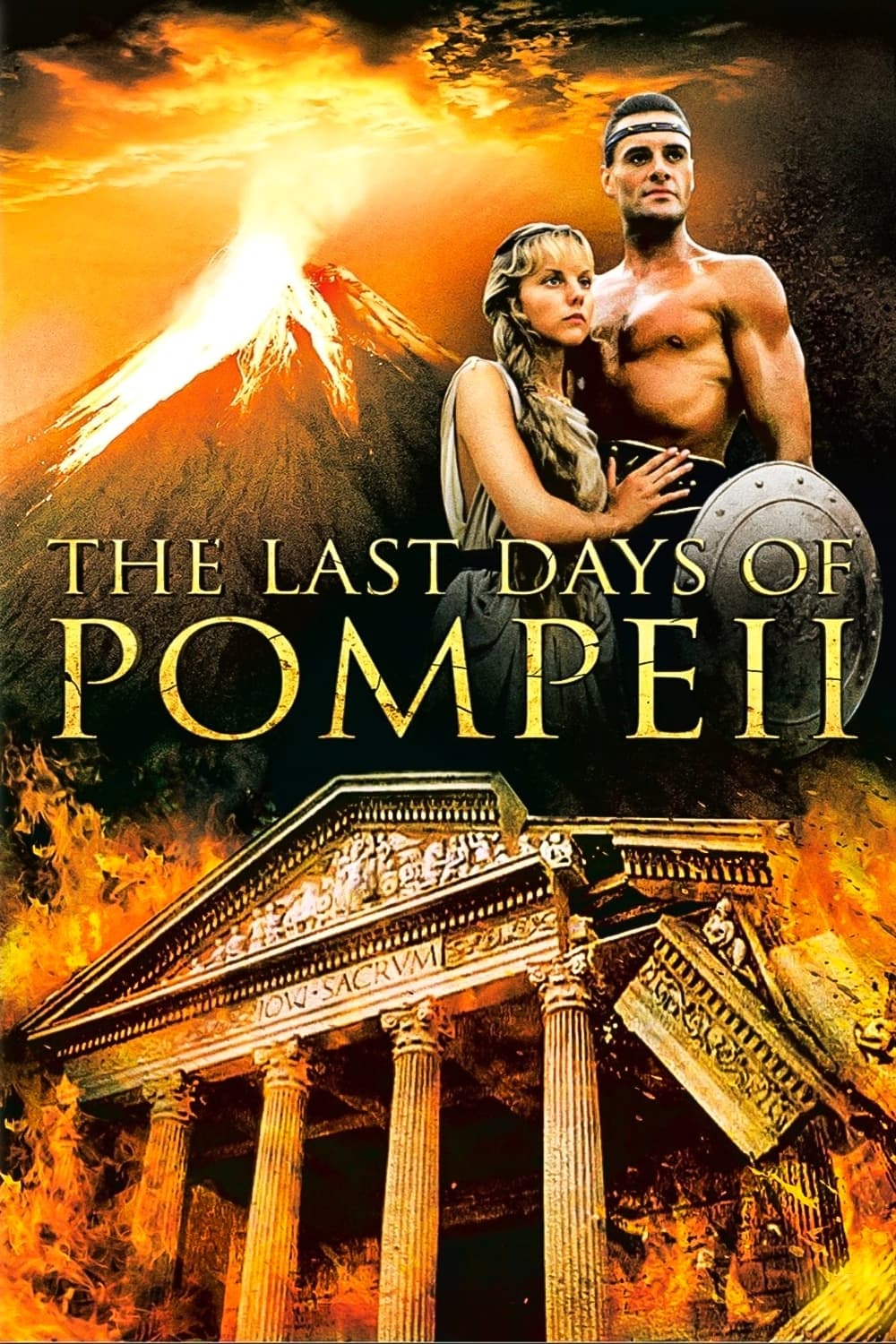
The different aspects of life in Pompeii, a coastal luxury resort near Naples catering for the very rich of imperial Rome, mainly before but culminating in the eruption of the Vesuvian volcano, which wipes it from the face of the Earth. The residents of Pompeii include Diomed, a common upstart merchant whose self-made riches from trade allow him to consider running for political office against sitting city magistrate Quintus and an impoverished aristocratic marriage for his daughter Julia; the cultivated Greek Glaucus; the gladiator Lydon; the noble-born Antonius and his sister Ione, the evil Isis-priest Arbaces who is after (their) money and power; the persecution-fearing Christian slaves Petrus, his true love Chloe, and their secret leader Olinthus.
Insights
Plot Summary
This epic miniseries chronicles the lives and loves of individuals in the Roman city of Pompeii leading up to the catastrophic eruption of Mount Vesuvius. It follows the journey of a slave named Glaucus who becomes a gladiator and falls for a noblewoman, all while a charismatic cult leader manipulates the populace. The narrative builds towards the fateful day when the volcano's fury is unleashed, burying the city and its inhabitants.
Critical Reception
The 1984 miniseries adaptation of 'The Last Days of Pompeii' was a relatively ambitious television production for its time, aiming for a grand scale and dramatic storytelling. While it captured the historical setting and the tragic event, critical reception was generally mixed, with some praising its scope and ambition, while others found its pacing uneven and its characters somewhat underdeveloped. Audience reception was moderate, with its historical drama appealing to a segment interested in ancient Roman history.
What Reviewers Say
- Praised for its historical setting and epic scale.
- Criticized for inconsistent pacing and character depth.
- Seen as a serviceable historical drama for television.
Google audience: Audience feedback for this adaptation is scarce, but general comments often highlight its attempt to recreate ancient Pompeii and the dramatic depiction of the volcanic eruption. Some viewers found it engaging for its historical context, while others perceived it as a dated production with a slow narrative.
Fun Fact
The miniseries was filmed on location in and around Pompeii, utilizing the actual archaeological ruins to enhance its authenticity, though much of the city's destruction was recreated through special effects and matte paintings.
AI-generated overview · Verify ratings on official sources