TV Show spotlight
¿Qué Pasa, USA? (1977)
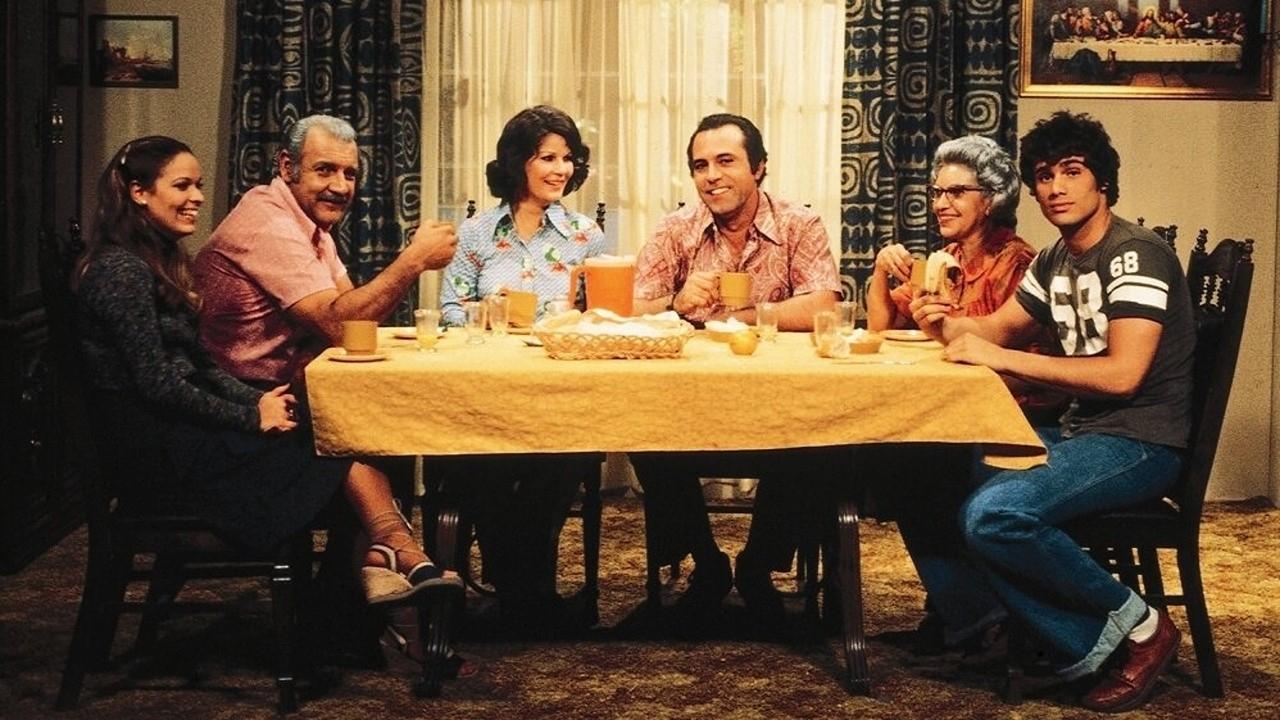
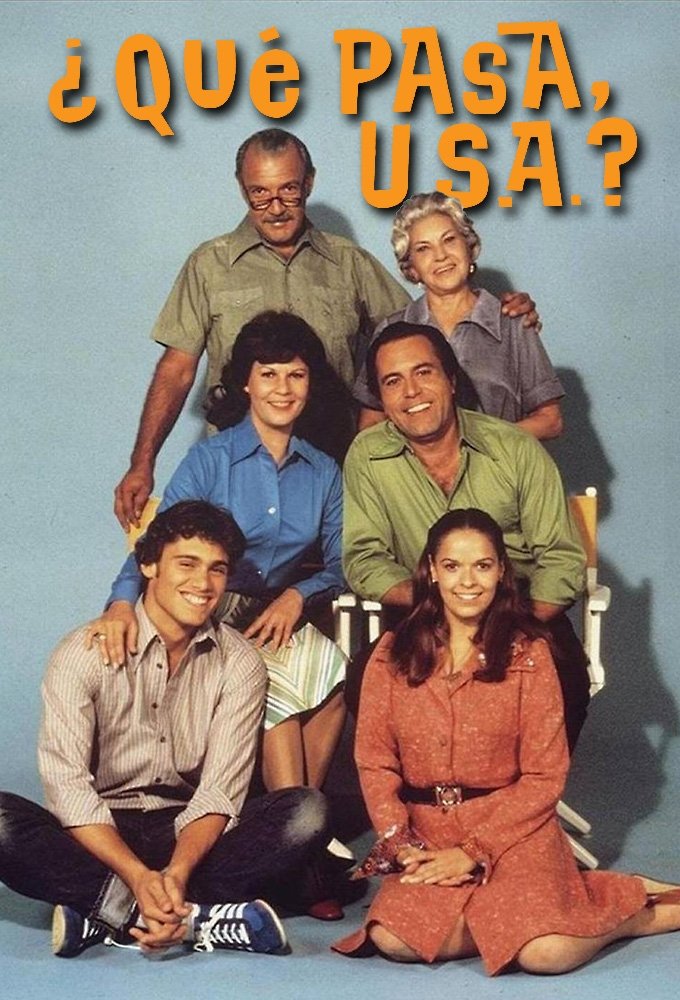
¿Qué Pasa, U.S.A.? is America's first bilingual situation comedy, and the first sitcom to be produced for PBS. It was produced and taped in front of a live studio audience at PBS member station WPBT in Miami, Florida and aired on PBS member stations nationwide. The program explored the trials and tribulations faced by the Peñas, a Cuban-American family living in Miami's Little Havana neighborhood, as they struggled to cope with a new country and a new language. The series was praised as being very true-to-life and accurately, if humorously, portraying the life and culture of Miami's Cuban-American population.
Insights
Plot Summary
¿Qué Pasa, USA? was a groundbreaking bilingual sitcom that aired on public television from 1977 to 1980. The series humorously depicted the challenges and triumphs of a Cuban-American family, the Perezes, as they navigated life in Miami, Florida, dealing with generational differences and cultural assimilation. It provided a relatable and comedic look at the immigrant experience, particularly for the growing Hispanic population in the United States.
Critical Reception
The show was highly praised for its innovative bilingual format, its authentic portrayal of Cuban-American culture, and its ability to entertain while educating audiences about the complexities of immigration and cultural adaptation. It became a beloved fixture on public television, resonating with both Hispanic and non-Hispanic viewers.
What Reviewers Say
Praised for its pioneering use of Spanglish and its authentic cultural representation.
Lauded for its humor and its ability to bridge generational and cultural divides.
Recognized for its educational value in depicting the immigrant experience.
Google audience: Audience reviews often highlight the show's nostalgic value and its importance in representing the Cuban-American community on television. Many recall it fondly as a show that accurately captured the cultural nuances and family dynamics of the time.
Fun Fact
The show was filmed before a live audience, which contributed to its authentic sitcom feel and allowed for immediate audience reactions to the humor.
AI-generated overview · Verify ratings on official sources