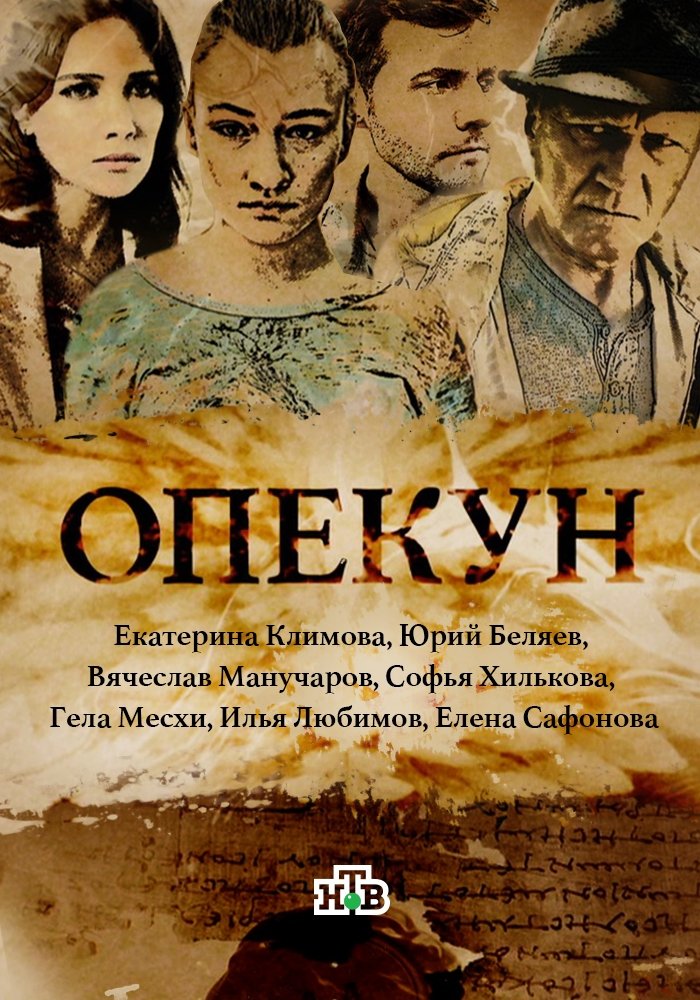
Insights
Plot Summary
In 'Opekun,' director Marta Smiechowska delves into the personal history of her grandfather, a man who survived the Holocaust and later became a devoted grandfather himself. The film interweaves poignant archival footage and intimate interviews, offering a profound look at memory, identity, and the enduring impact of intergenerational trauma. It explores the complexities of his past and how it shaped his present, culminating in a touching portrait of resilience and family.
Critical Reception
Opekun received positive attention within documentary circles for its deeply personal and moving exploration of a survivor's life. Critics lauded Smiechowska's sensitive direction and the film's ability to evoke a strong emotional response through its blend of historical context and familial connection. It was recognized for its contribution to understanding the long-term effects of historical atrocities on individuals and their descendants.
What Reviewers Say
- Praised for its emotional depth and intimate storytelling.
- Appreciated for its sensitive portrayal of a Holocaust survivor's life and legacy.
- Cited as a powerful examination of memory and intergenerational impact.
Google audience: As a short documentary, 'Opekun' did not receive widespread audience reviews on Google. However, the critical reception suggests a strong emotional impact on those who viewed it, highlighting its effectiveness in conveying a deeply personal story.
Fun Fact
The film's title, 'Opekun,' is a Polish word that translates to 'grandfather,' directly reflecting the central theme and relationship explored in the documentary.
AI-generated overview · Verify ratings on official sources