
Professional Killers
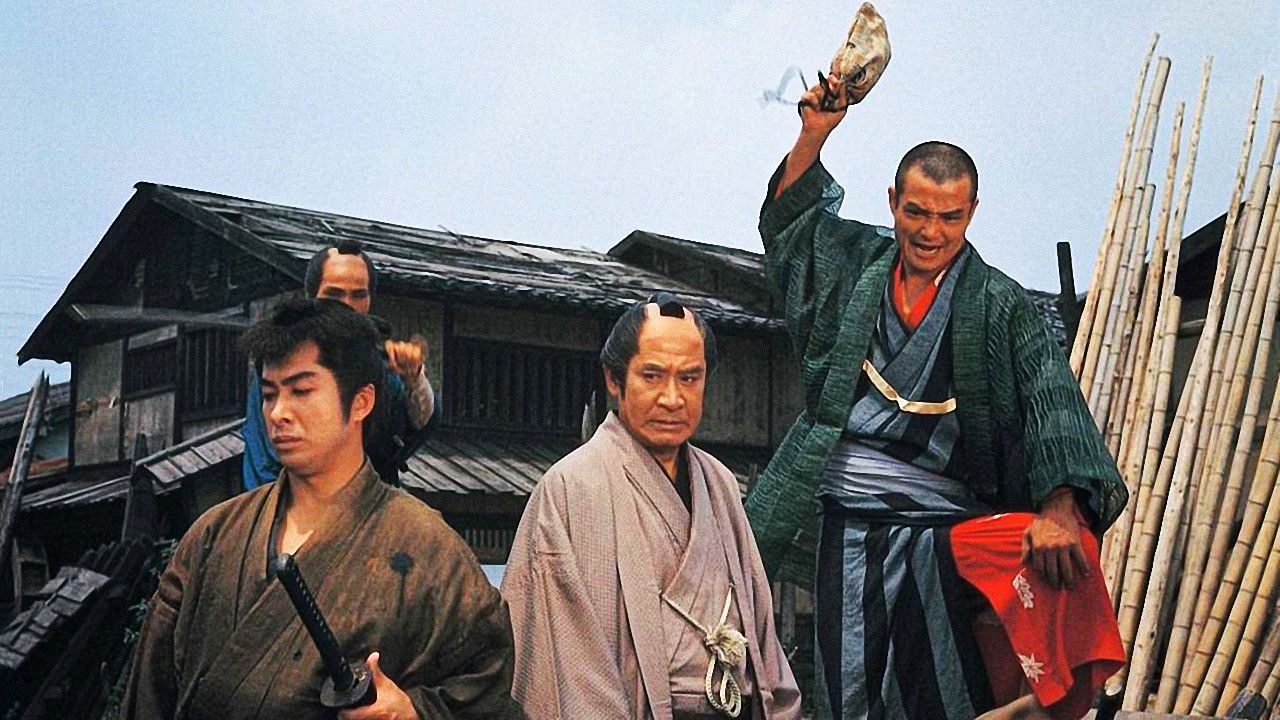
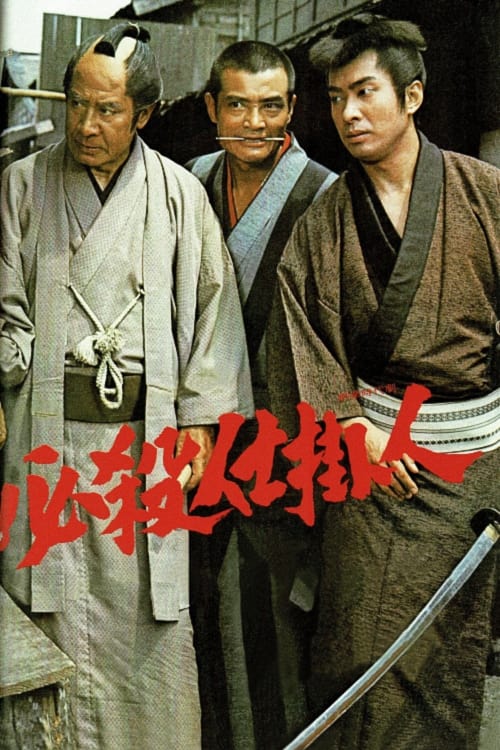
A shikakenin was an under-the-cover trade that undertook killing in Edo. Hanemon of Otowa, an agency that introduced laborers and maids, was also one of these. Katsugoro Iseya was a timber dealer who had come in as a client. His target was the constructions magistrate Hanno, and the Tatsumiya who sipped on the benefits. Hanemon who had a stong code towards killing, where he would only kill those who do no good to be in the world, accepts this request. Baian Fujieda, a needle doctor would carry out the killing. However, the professional killer Baian fails to bring down Tatsumiya. Hanemon then looks to another shikakenin, the ronin Sanai Nishimura for the role. Although Sanai's ability with the sword is good, he lives poorly in a tenement, and accepts this commission on the condition that it is kept a secret from his wife and child. Here, they close in on Hanno and Tatsumiya again...
Insights
Plot Summary
In this gritty crime drama, a skilled assassin finds himself caught in a web of betrayal and danger as he attempts to complete a series of dangerous contracts. Facing escalating threats from rival organizations and corrupt law enforcement, he must rely on his wits and combat abilities to survive. The film explores the dark underbelly of organized crime and the moral compromises made in the pursuit of survival.
Critical Reception
Professional Killers is a lesser-known but effective crime film from the 1970s. It garnered attention for its raw portrayal of violence and its gritty atmosphere, though it was not a major box office success. Critical reviews at the time were mixed, with some praising its action sequences and thematic depth, while others found its plot somewhat derivative of other crime thrillers of the era.
What Reviewers Say
- Praised for its intense action and suspenseful plot.
- Noted for its realistic depiction of the criminal underworld.
- Some critics found the narrative predictable.
Google audience: Audience reception for 'Professional Killers' is not widely documented. However, available comments suggest an appreciation for its straightforward crime narrative and action, with some viewers finding it a solid, albeit unspectacular, entry in the genre.
Fun Fact
While the film is credited to G. T. Mustafine, production details and behind-the-scenes information are scarce, making it a somewhat enigmatic entry in 1970s crime cinema.
AI-generated overview · Verify ratings on official sources