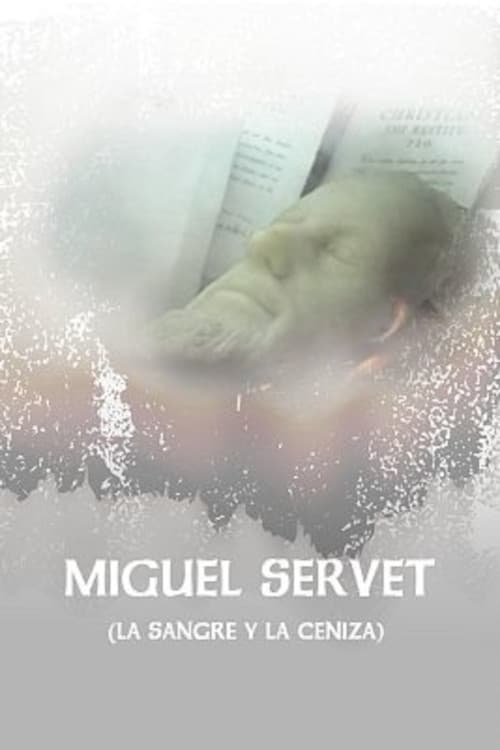
Miguel Servet (La Sangre y La Ceniza)
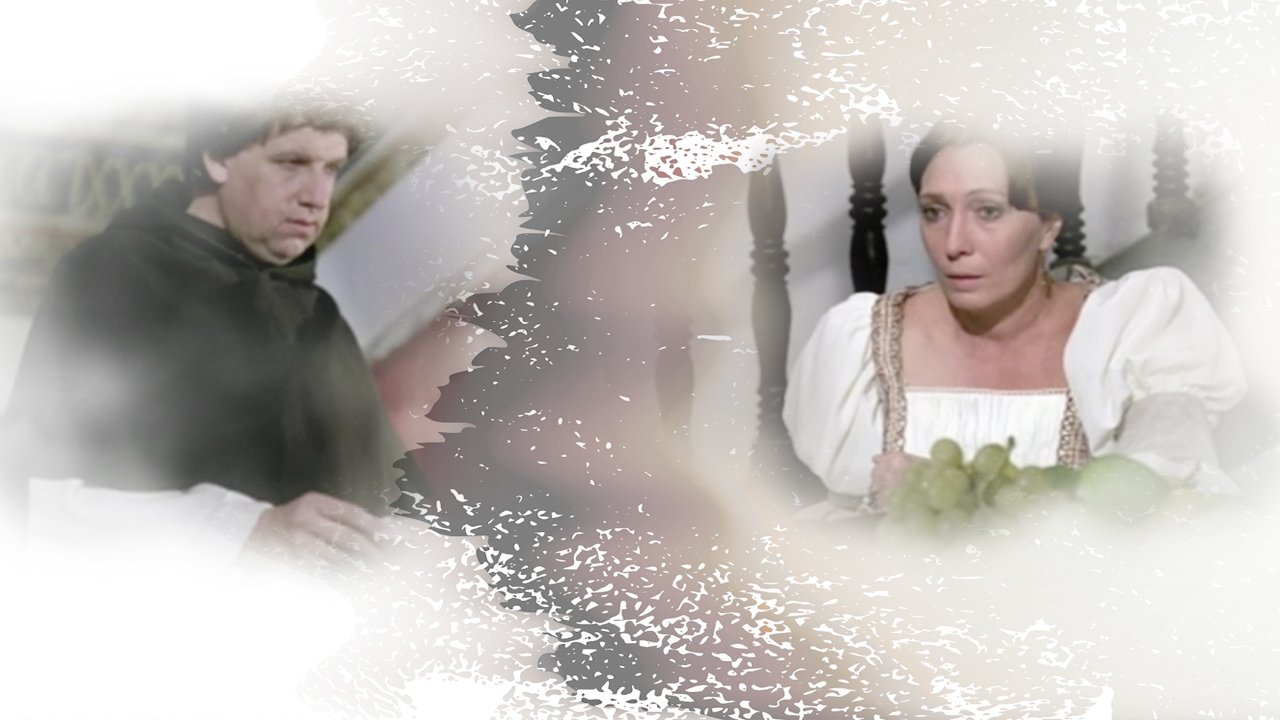
The series recreates the life of the Spanish scientist Miguel Servet from his birth until his execution for blasphemy in 1553.
Insights
Plot Summary
This historical drama chronicles the life and struggles of Miguel Servet, a Spanish theologian, physician, and humanist who challenged established religious doctrines during the Reformation. The film depicts his intellectual pursuits, his persecution for heresy, and his eventual tragic end in Geneva. It explores themes of freedom of thought, religious intolerance, and the conflict between scientific inquiry and dogmatic authority.
Critical Reception
Information on the critical reception of "Miguel Servet (La Sangre y La Ceniza)" is scarce. As a Spanish-produced historical drama from 1989, it likely had a more limited release and critical commentary available internationally. However, films of this nature often receive attention for their historical accuracy and performances, though they may be critiqued for pacing or dramatic interpretation.
What Reviewers Say
- A potentially insightful portrayal of a controversial historical figure.
- Explores the complex religious and intellectual landscape of the Reformation.
- May be less accessible to a mainstream international audience due to its specific historical focus.
Google audience: Audience reviews for this film are not readily available. Typically, films focusing on historical figures like Miguel Servet appeal to those interested in religious history and biographical dramas. Reactions often depend on the depth of historical detail and the emotional resonance of the narrative.
Fun Fact
Miguel Servet was burned at the stake in Geneva in 1553, along with his writings, for his theological views, particularly his rejection of the Trinity. His persecution was heavily influenced by John Calvin, despite Servet being a prominent figure in the early development of pulmonary circulation theories.
AI-generated overview · Verify ratings on official sources