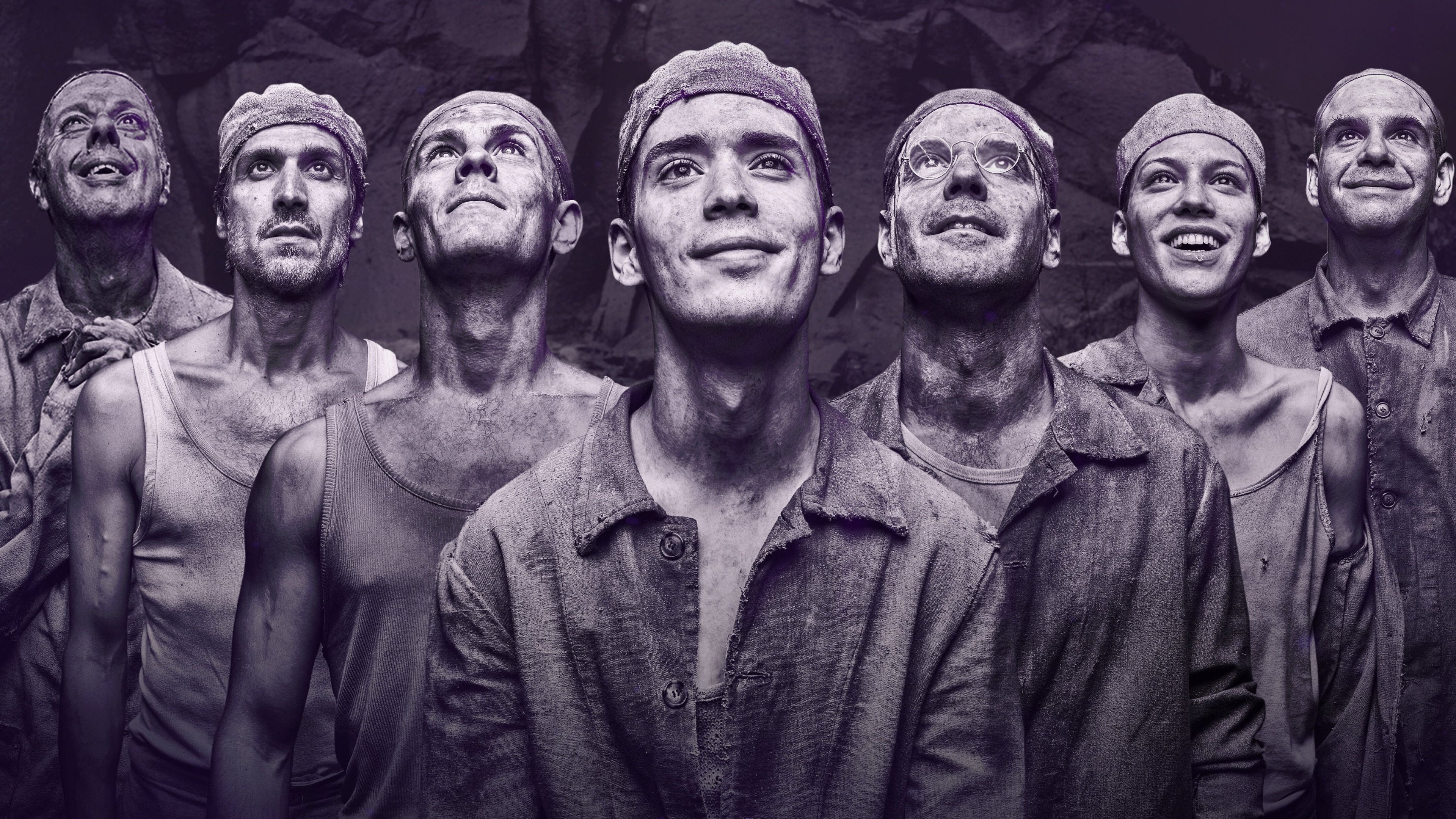
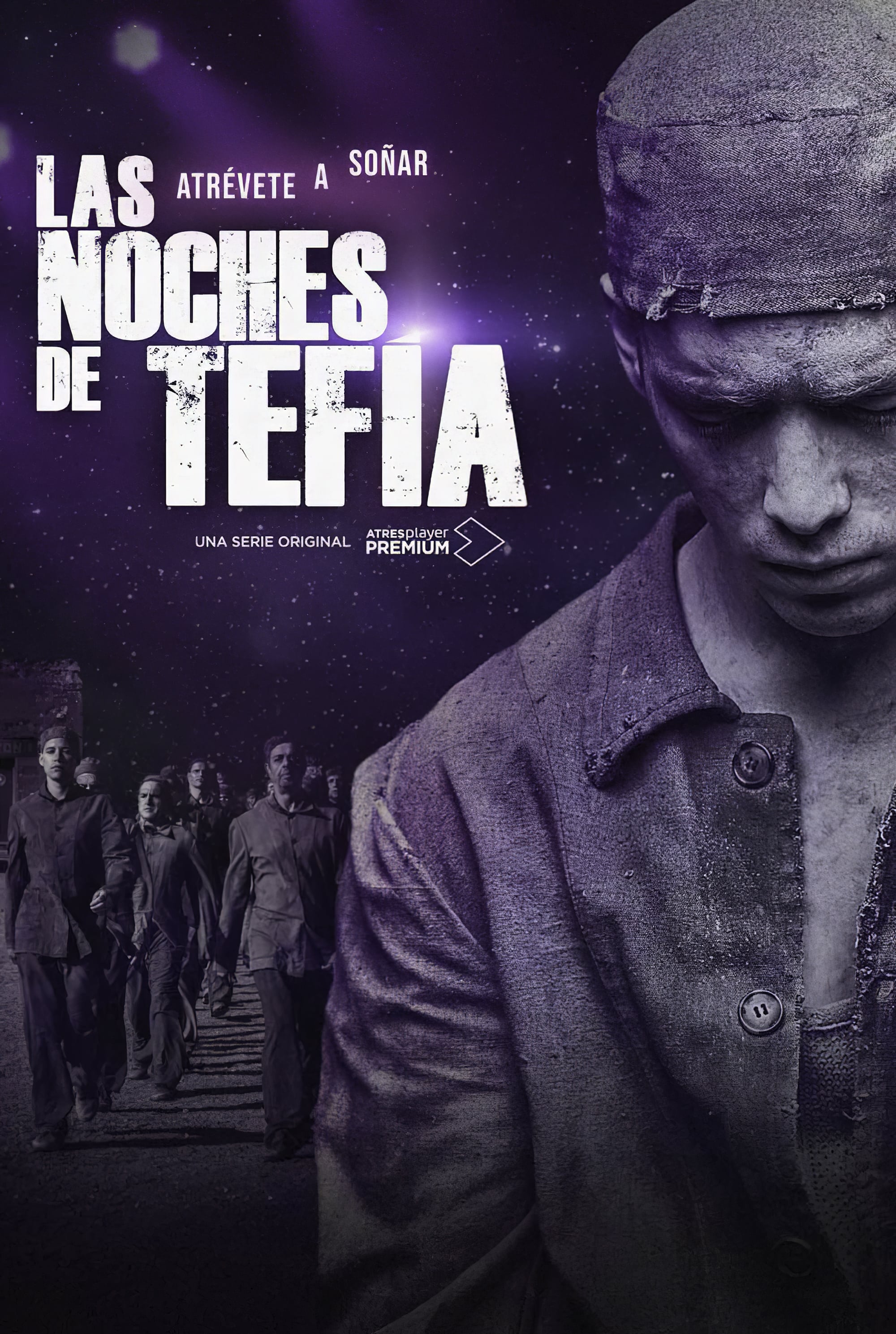

Nights in Tefía
Between 1954 and 1966 there was, in a desert area of Fuerteventura, a Francoist concentration camp known by the euphemistic name of Colonia Agrícola Penitenciaria de Tefía, one of many places where the regime sent those convicted under the Law of Vagos y Maleantes which, from 1954, was implemented to also include homosexuals. In 2004, Airam Betancor was forced to recall the seventeen months of forced labor he endured in the colony.
Insights
Plot Summary
This documentary explores the hidden history of the Canary Islands and the persecution of homosexuals during the Franco regime. It focuses on the island of Fuerteventura, particularly the area of Tefía, which became a refuge for those who defied societal norms. Through personal testimonies and historical accounts, the film sheds light on a suppressed past and the resilience of the LGBTQ+ community.
Critical Reception
Nights in Tefía has been recognized for its important historical documentation and its sensitive portrayal of a marginalized community. Critics have praised its archival research and the emotional depth of the personal stories shared, highlighting its contribution to understanding a lesser-known aspect of Spanish history.
What Reviewers Say
- Praised for shedding light on a forgotten history of LGBTQ+ persecution.
- Commended for its sensitive and intimate storytelling.
- Recognized for its crucial archival and testimonial importance.
Google audience: Information on Google user reviews is not readily available for this documentary.
Awards & Accolades
Best Documentary at the 2023 Tenerife International Film Festival, Audience Award at the 2024 LesGaiCineMad Film Festival, Official Selection at various international film festivals.
Fun Fact
The film's director, Paco Martín, spent years researching and collecting testimonies to bring this hidden history to light, with many of the locations featured still holding significance for the LGBTQ+ community on Fuerteventura.
AI-generated overview · Verify ratings on official sources