TV Show spotlight
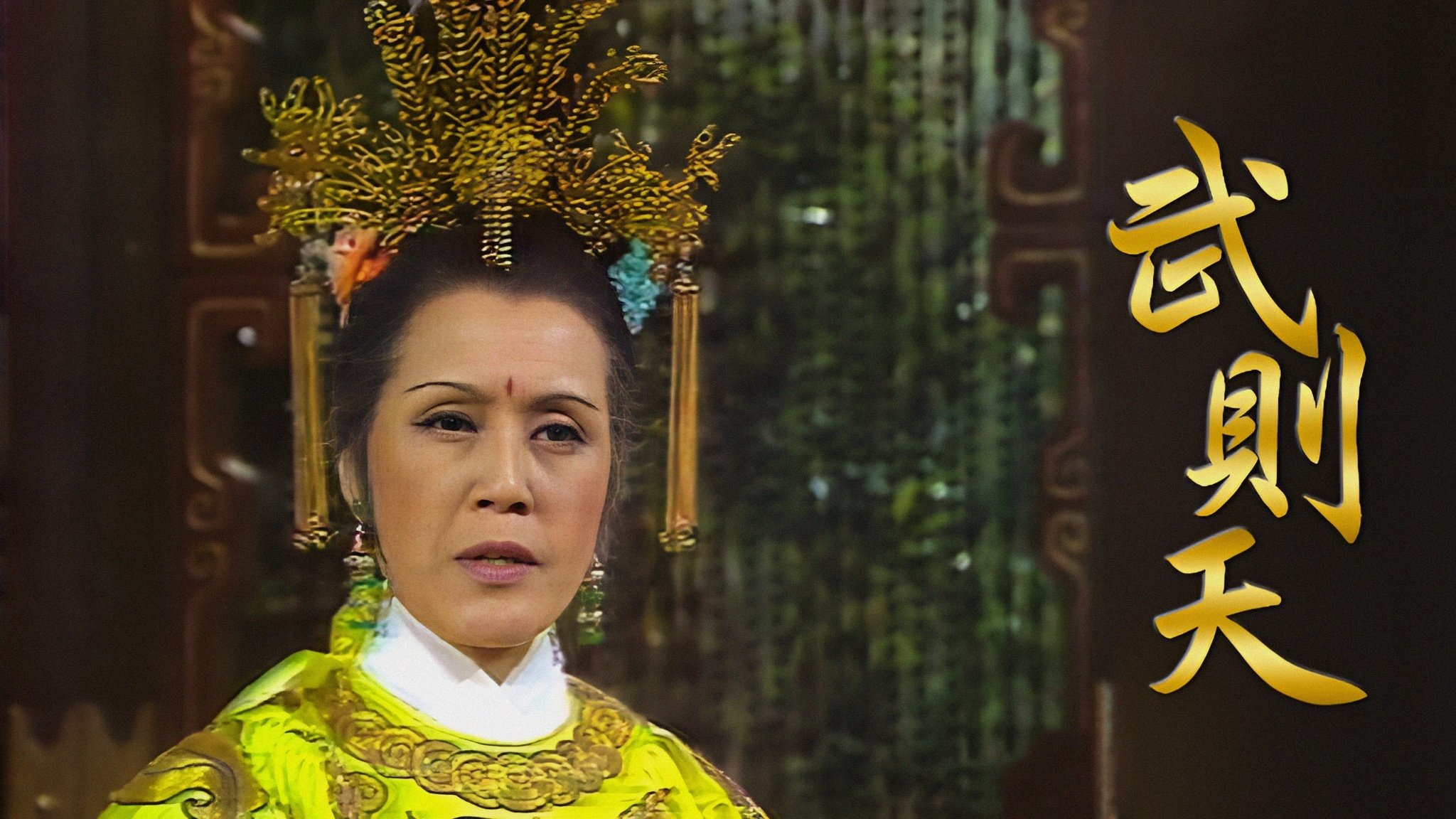
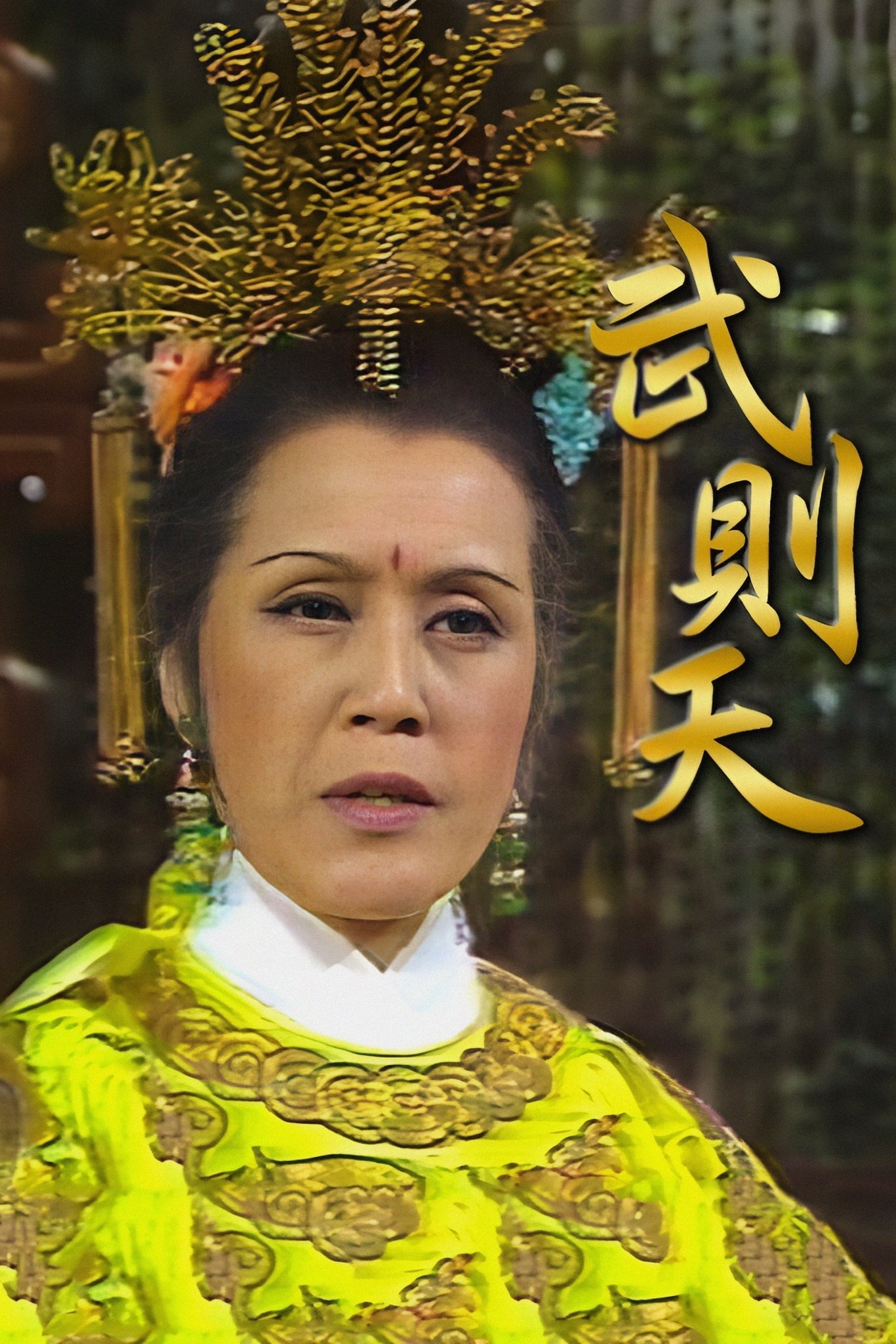
Empress Wu
During the Tang Dynasty, Emperor Taizong favored his concubine Wu Meiniang. She fell in love with the crown prince Li Zhi, and the emperor asked her to become a nun before he died, with the promise that Li Zhi would bring her back to the palace in three years. Wu returned as the Empress Dowager and eliminated her rivals. After Li Zhi's death, Wu continued to control politics, even deposing his successor, Li Zhe, and proclaimed herself as the first female emperor, changing the name of the dynasty to Zhou. With the help of loyal ministers, Li Zhe was eventually reinstated, and the Tang dynasty was restored.
Insights
Plot Summary
This historical drama follows the life of Empress Wu, the only female monarch in Chinese history. The film chronicles her rise to power, her political maneuvering, and her reign during the Tang Dynasty, showcasing the challenges and triumphs she faced in a male-dominated world.
Critical Reception
Empress Wu received mixed reviews upon its release. While praised for its historical scope and Cheng Pei-pei's performance, some critics found the narrative to be somewhat uneven and the historical accuracy debatable. It is generally regarded as a notable martial arts film with a strong female lead from its era.
What Reviewers Say
Cheng Pei-pei delivers a powerful performance as the formidable Empress Wu.
The film offers a compelling, albeit dramatized, look at a significant figure in Chinese history.
While ambitious in scope, the pacing and historical liberties may not satisfy all viewers.
Google audience: Information regarding specific Google user reviews and ratings for 'Empress Wu (1976)' is not readily available.
Fun Fact
Despite its historical subject matter, 'Empress Wu' is also recognized for its impressive martial arts choreography, a staple of Hong Kong cinema during the 1970s.
AI-generated overview · Verify ratings on official sources