Insights
Plot Summary
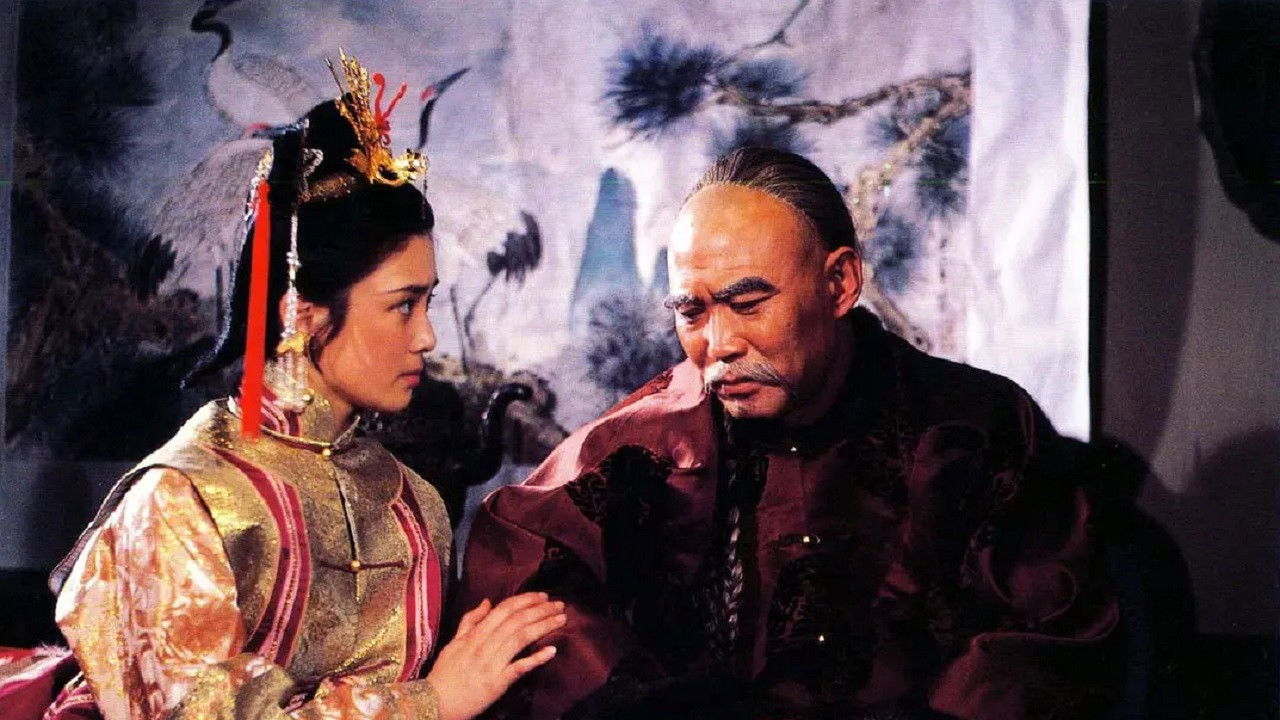
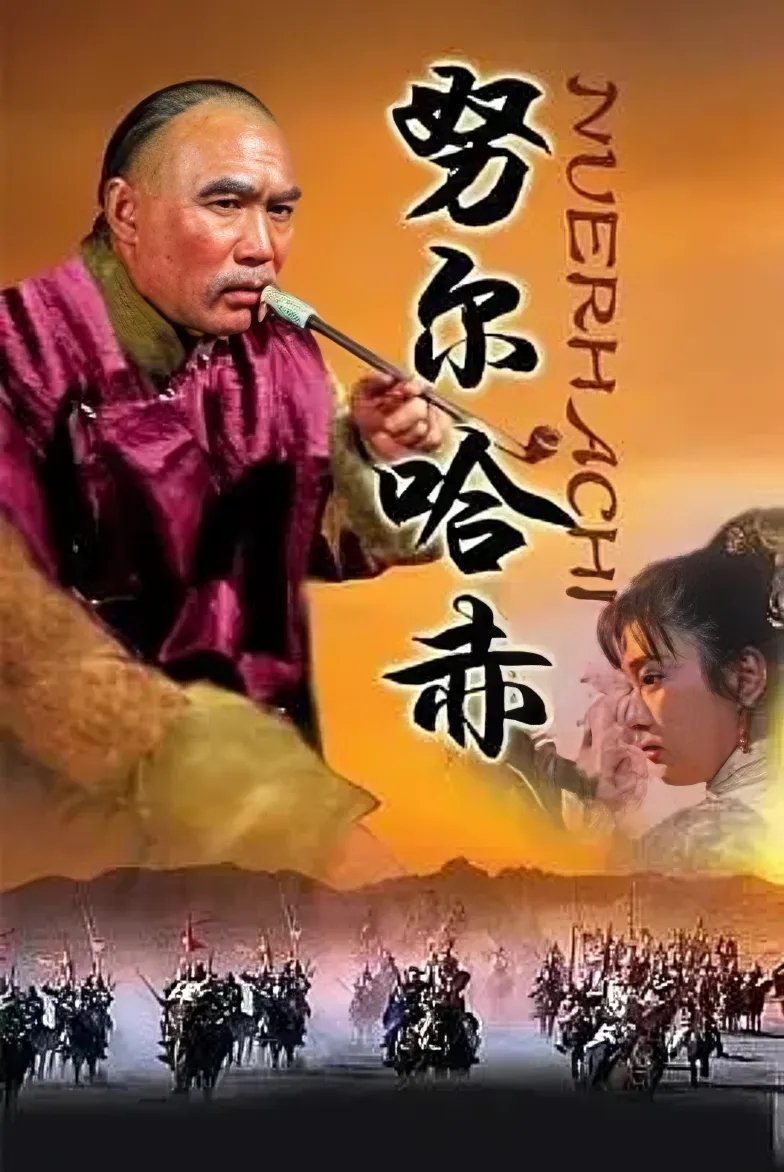
This epic historical drama chronicles the life of Nurhaci, the founder of the Later Jin dynasty and posthumously proclaimed Emperor Taizu of the Qing dynasty. It details his rise from humble beginnings, his unification of the Jurchen tribes, and his military campaigns against the Ming dynasty. The film explores his complex political maneuvering, his vision for a unified Jurchen people, and the foundation he laid for the eventual conquest of China by the Manchus.
Critical Reception
As a major historical epic produced in China, 'Nurhaci' was generally well-received for its ambitious scope and detailed portrayal of a pivotal figure in Chinese history. It was praised for its production values and the performances, particularly in capturing the grandeur of the era and the complexities of Nurhaci's leadership. While specific critical reviews from international sources are scarce, domestic reception highlighted its contribution to historical filmmaking in China.
What Reviewers Say
Praised for its grand scale and historical accuracy in depicting the Jurchen unification.
Noted for strong performances that bring the complex character of Nurhaci to life.
Recognized as a significant production in Chinese historical cinema.
Google audience: While specific audience reviews for this older Chinese film are not readily available on global platforms, films of this genre and era in China typically garner appreciation for their patriotic themes, historical education, and cinematic spectacle.
Fun Fact
The film was a significant production in China during the 1980s, aiming to bring the story of a foundational figure of the Qing Dynasty to a wide audience, and its scale was considered ambitious for its time.
AI-generated overview · Verify ratings on official sources