
TV Show spotlight
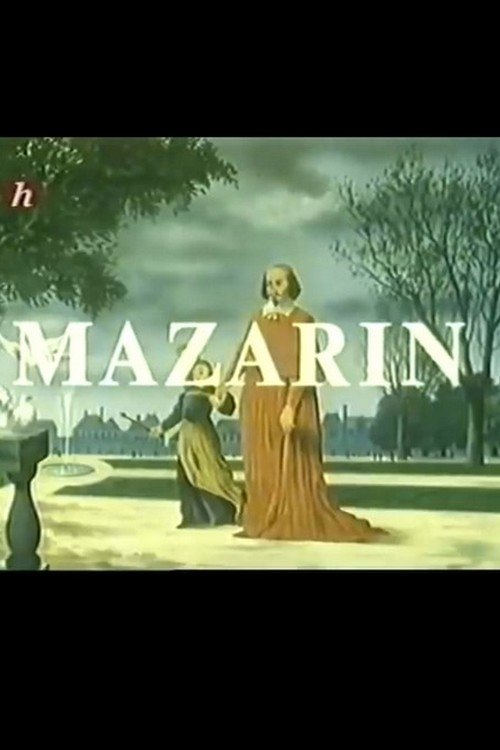
Mazarin
The series Mazarin (1978) recounts the rise of Jules Mazarin, first an Italian diplomat and later France’s chief minister after Richelieu. The story shows how he earns the trust of Anne of Austria and becomes the political mentor of the young Louis XIV. Over the course of the episodes, Mazarin faces court intrigues, the hostility of powerful nobles, and the turmoil of the Fronde, which threatens royal authority and forces him into several periods of exile. Despite pamphlets and conspiracies, he manages to restore order and prepare the emergence of the future Sun King. The series thus portrays a skilled statesman, often contested but essential in shaping absolute monarchy.
Insights
Plot Summary
This television film chronicles the life and political machinations of Cardinal Jules Mazarin, the influential Italian-born clergyman and statesman who served as Chief Minister to Louis XIII and later as principal minister to Louis XIV of France. The narrative explores his rise to power, his complex relationships with the French court, and his significant role in shaping French foreign policy during a tumultuous period of European history.
Critical Reception
As a television film from 1979, 'Mazarin' received a limited release and its critical reception is not widely documented in contemporary major film archives. However, films of this nature typically aimed for historical accuracy and dramatic interpretation of complex political figures, appealing to audiences interested in French history and period dramas. Its success would have been gauged by its historical portrayal and the performances of its cast.
What Reviewers Say
Offers a detailed look into the life of a pivotal historical figure.
Explores the intricate political landscape of 17th-century France.
Features strong performances in its portrayal of Cardinal Mazarin and his contemporaries.
Google audience: Information on specific Google user reviews for 'Mazarin (1979)' is not readily available.
Fun Fact
Cardinal Mazarin's personal art collection was one of the most significant in Europe at the time, and many of its pieces form the basis of major museum collections today.
AI-generated overview · Verify ratings on official sources