TV Show spotlight
Brother to Brother
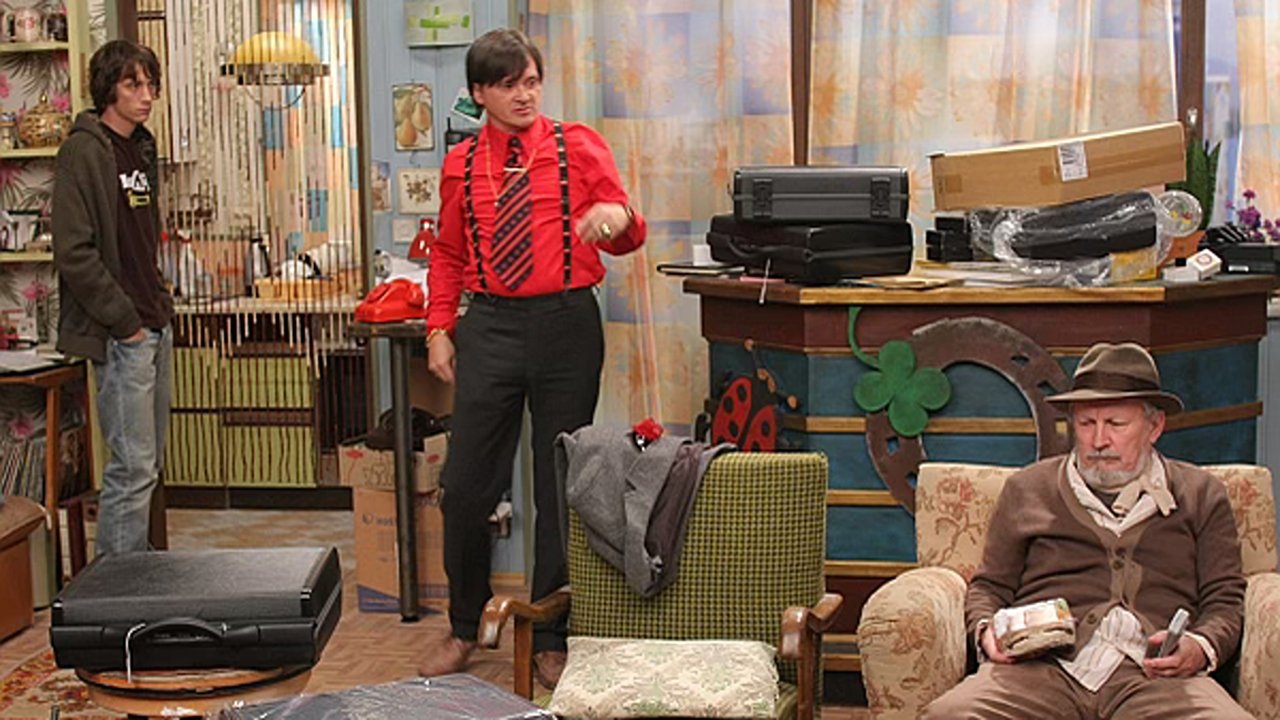
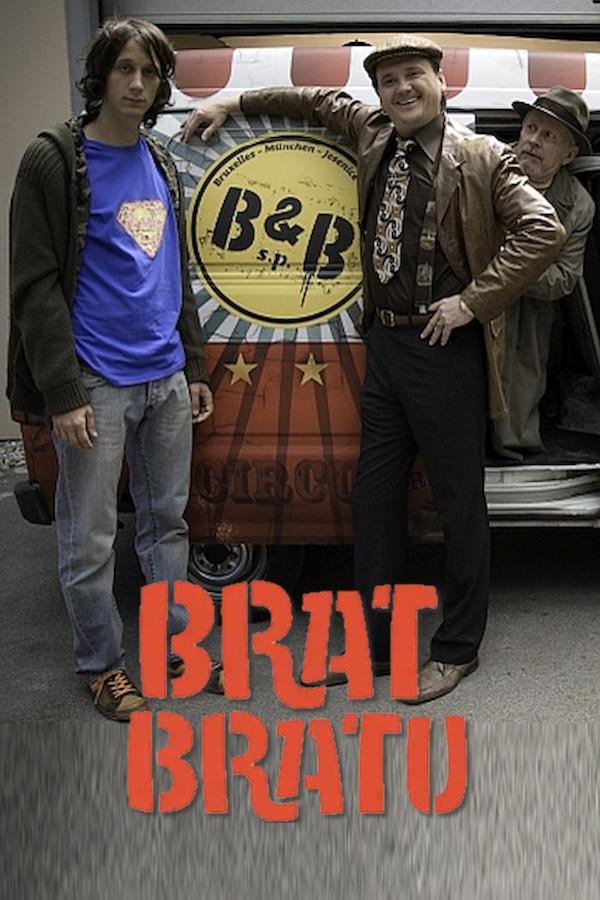
Show is based after the British sitcom "Only Fools and Horses". It follows Bine, who lives with his much younger brother Brane and their grandpa. Their mother died when Brane was young, and their father absconded soon afterwards, so Bine became Brane's surrogate father and the family leader. Despite their differences in age, personality and outlook, the brothers share a constant bond throughout. They, but mostly Bine, attempt to become millionaires through questionable get-rich-quick schemes and by buying and selling poor-quality and illegal goods.
Insights
Plot Summary
A young gay Black artist's life intersects with the life of an elderly poet from the Harlem Renaissance. Through their shared experiences with art and identity, the younger man confronts his own struggles with his sexuality and heritage. The film explores themes of race, class, and sexual orientation within the Black community. It highlights the impact of history on contemporary lives.
Critical Reception
Brother to Brother was met with critical acclaim, particularly praised for its sensitive portrayal of complex themes and its strong performances. Critics lauded its exploration of Black gay identity and its connection to historical figures. The film was noted for its emotional depth and its artistic merit.
What Reviewers Say
Praised for its poignant exploration of Black gay identity and its connection to history.
Lauded for strong performances, especially from the lead actors.
Appreciated for its sensitive and artistic handling of complex social and personal themes.
Google audience: Audiences generally responded positively to the film's emotional resonance and its insightful look into the experiences of Black gay men. Many found the intergenerational dialogue compelling and the artistic themes inspiring.
Awards & Accolades
Won the Audience Award at the 2004 Toronto Inside Out Film and Video Festival, and the Best Actor award for Aaron Frazier at the 2004 Black Reel Awards.
Fun Fact
The film's narrative is partly inspired by the life and work of Langston Hughes, a prominent figure of the Harlem Renaissance.
AI-generated overview · Verify ratings on official sources