
TV Show spotlight
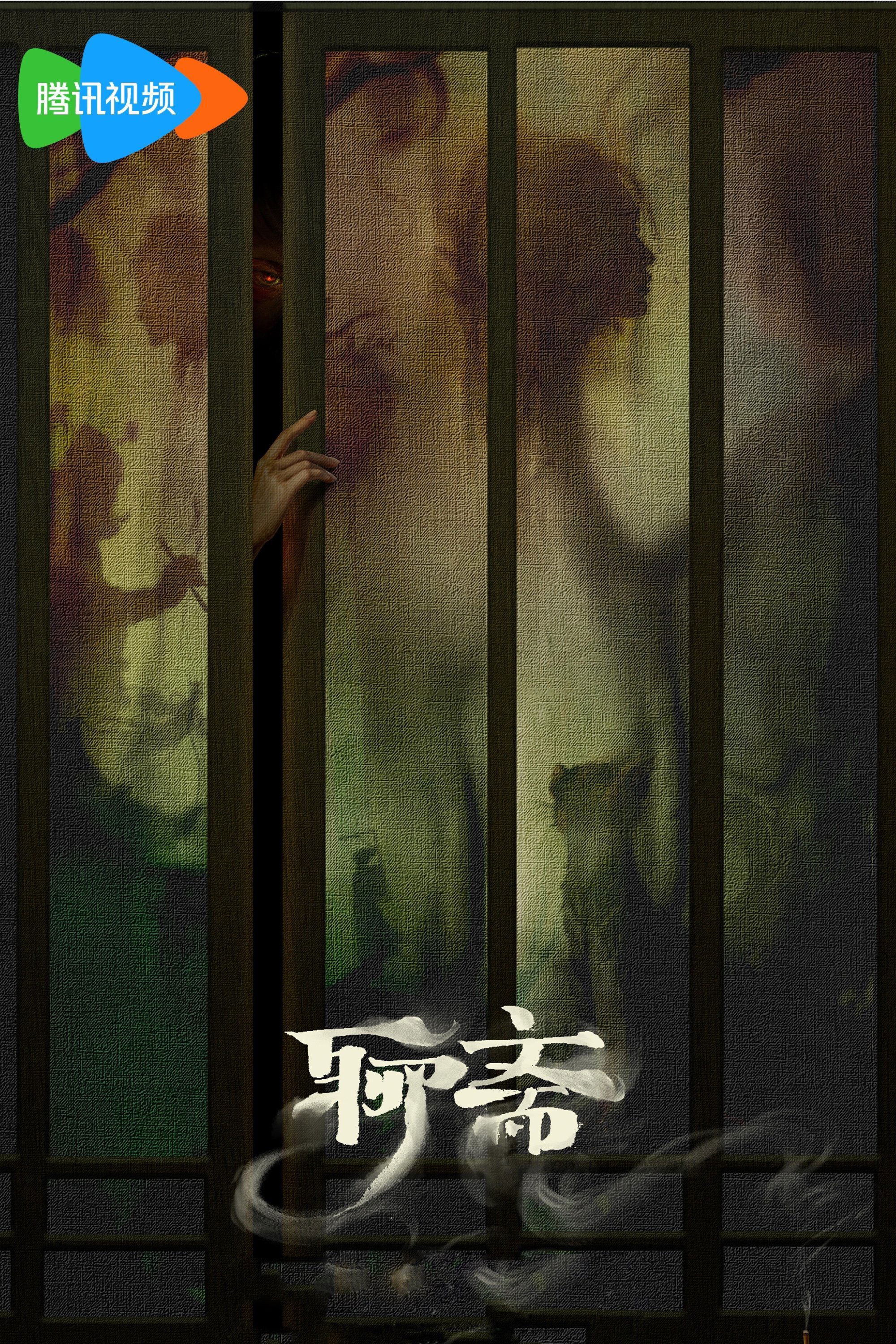
Liao Zhai
A mysterious beauty’s severed head appears in the bustling marketplace. A fox spirit, trapped in the treacherous depths of human desire, struggles to escape her fate. When the Judge of the Underworld descends to swap heads and hearts, chaos erupts. A paper doll awakens to life with the final stroke of a brush, a wooden puppet grows a beating heart, and a withered tree stirs with forbidden longing. In this world where the boundaries between flesh and fantasy blur, ancient magic and human folly collide—revealing that even the most lifeless things may hunger for a soul.
Insights
Plot Summary
Liao Zhai, also known as Strange Stories from a Chinese Studio, is a collection of nearly 500 supernatural tales written by Pu Songling during the Qing Dynasty. The stories often feature ghosts, fox spirits, and other supernatural entities interacting with humans, exploring themes of love, morality, justice, and the human condition. These narratives blend folklore, personal observation, and social commentary, creating a rich tapestry of traditional Chinese beliefs and superstitions.
Critical Reception
As a seminal work of Chinese literature, Liao Zhai has been critically acclaimed for centuries for its literary artistry, imaginative scope, and insightful exploration of human nature and societal issues. It is revered for its elegant prose, its masterful characterizations of both humans and supernatural beings, and its enduring influence on Chinese culture and storytelling.
What Reviewers Say
Praised for its vast imagination and enchanting tales of the supernatural.
Celebrated for its elegant prose and insightful social commentary disguised in folklore.
Considered a masterpiece of Chinese literature for its exploration of human emotions and morality through spectral encounters.
Google audience: As a historical literary collection, there are no direct Google user reviews in the traditional sense. However, its enduring legacy and frequent reinterpretations in various media suggest a profound and lasting appreciation by audiences across generations.
Awards & Accolades
Considered one of the four great classical novels of Chinese literature (though it is a collection of short stories). Numerous adaptations across film, television, opera, and other art forms.
Fun Fact
Pu Songling famously wrote these stories on scraps of paper and displayed them outside his home, offering small rewards to people who could help him refine the narratives, making it a communal literary effort.
AI-generated overview · Verify ratings on official sources