
TV Show spotlight
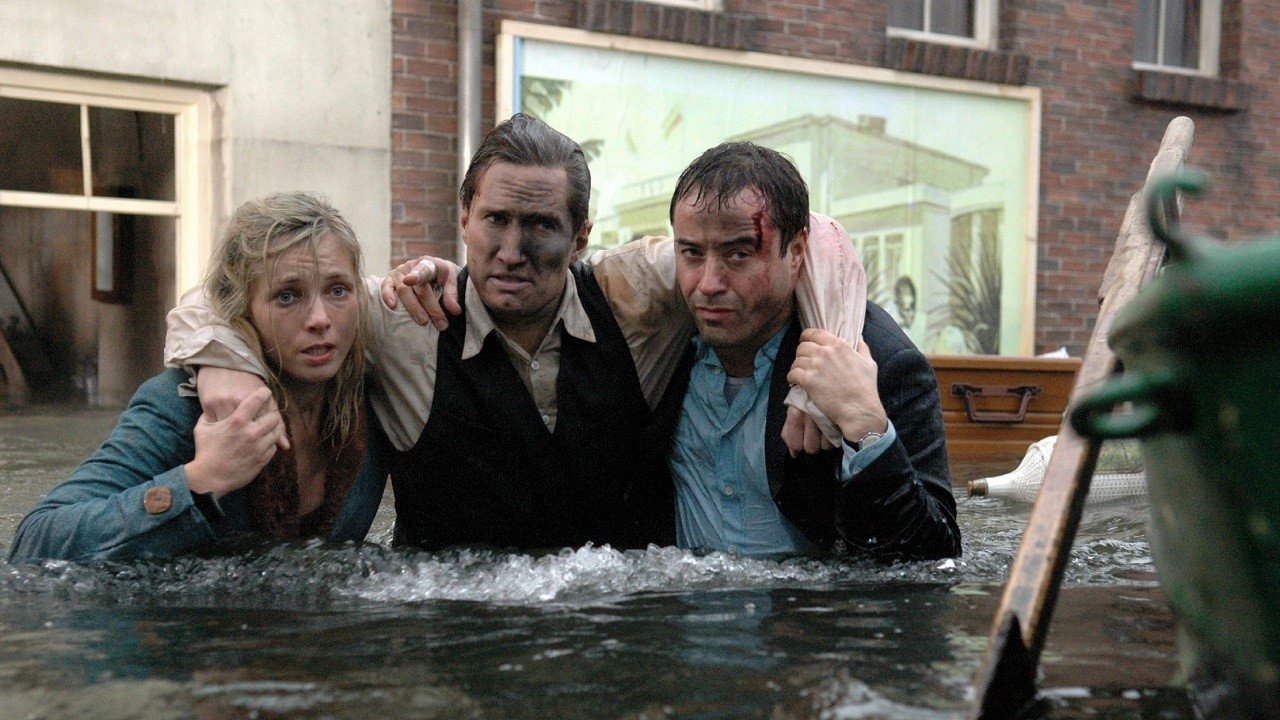
Die Sturmflut
Susanne, a meteorologist in Hamburg, has detected signs of an incipient sea storm that could devastate the city. Although given the alarm, local authorities do not listen to their warnings. To ensure the magnitude of the tsunami, Susanne decided to move to an oil platform located offshore, which verifies that their dire predictions are to become reality, as the storm will soon reach the coast, threatening the lives of thousands of people.
Insights
Plot Summary
The film dramatizes the devastating North Sea flood of 1962 that ravaged Hamburg and other coastal areas of Germany. It follows the desperate efforts of emergency services and ordinary citizens battling against the rising waters and the chaotic aftermath. The narrative highlights the immense human tragedy, the resilience of the survivors, and the systemic failures that exacerbated the disaster.
Critical Reception
"Die Sturmflut" was generally well-received for its powerful portrayal of the historical event, its emotional impact, and strong performances. Critics praised its ability to convey the scale of the disaster and the human cost, though some noted certain dramatic liberties taken for cinematic effect. Audiences appreciated its historical significance and compelling storytelling.
What Reviewers Say
Praised for its gripping depiction of a major historical disaster.
Commended for its emotional resonance and strong acting.
Noted for effectively conveying the scale of devastation and human suffering.
Google audience: Information on Google user reviews is not readily available for this specific German television film.
Awards & Accolades
Nominated for the Bavarian TV Award for Best Actor (Christoph Bach) and Best Cinematography.
Fun Fact
The film was produced as a television movie for the German public broadcaster NDR and was broadcast on the 44th anniversary of the actual flood.
AI-generated overview · Verify ratings on official sources