TV Show spotlight
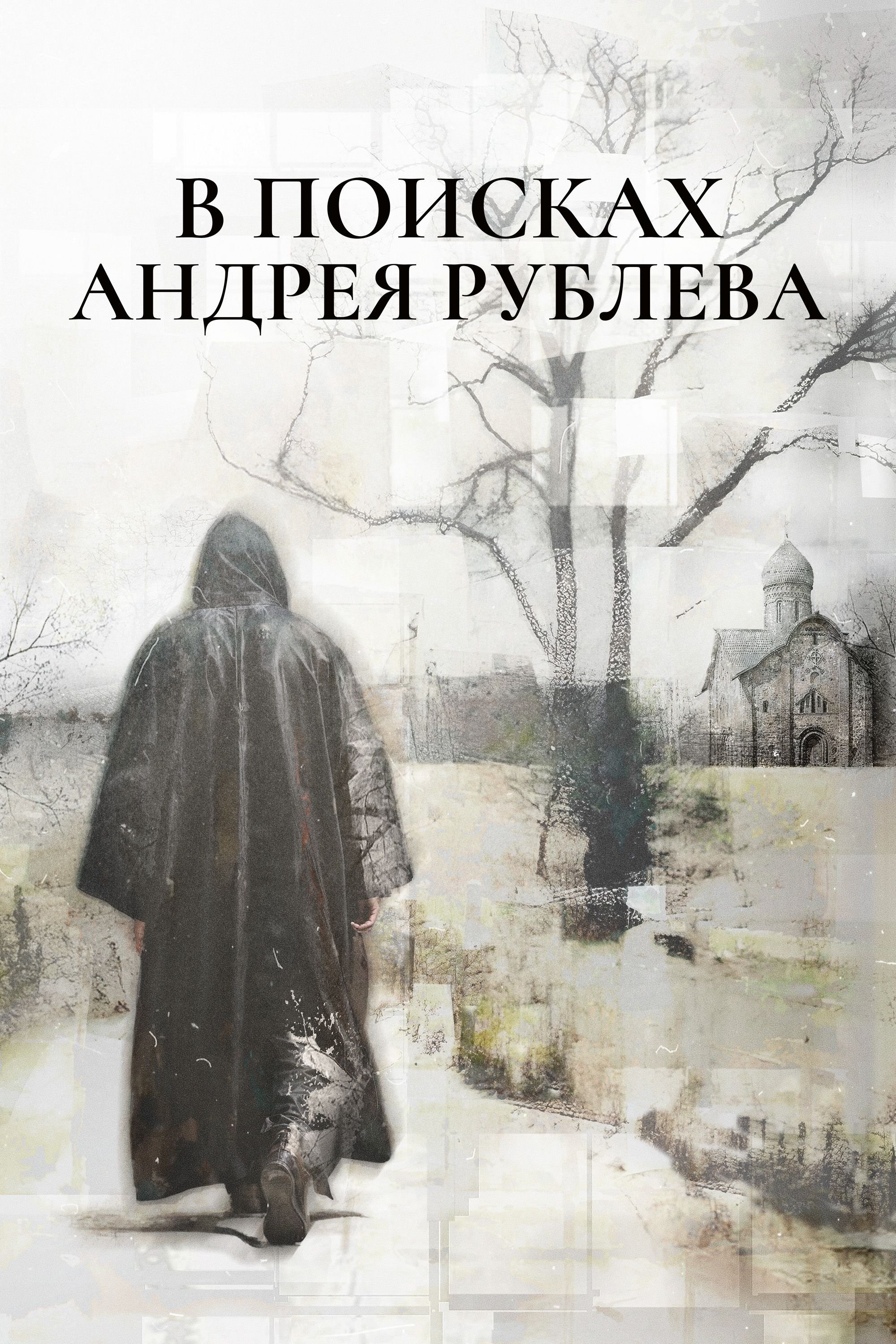
In Search of Andrei Rublev
Insights
Plot Summary
The film chronicles the life of the 15th-century Russian icon painter Andrei Rublev during a period of brutal feudal wars and Mongol invasions. It depicts his spiritual and artistic struggles as he grapples with faith, artistic expression, and the violence of his era. Rublev's journey is marked by profound personal crises and moments of divine inspiration, leading him to create some of Russia's most revered religious art.
Critical Reception
Andrei Rublev is widely regarded as a masterpiece of cinema, celebrated for its profound philosophical depth, stunning cinematography, and Tarkovsky's distinctive meditative style. While its initial release was limited and faced censorship, it has since gained immense critical acclaim and is considered one of the greatest films ever made.
What Reviewers Say
Praised for its breathtaking visual poetry and profound spiritual and philosophical exploration.
Hailed as a landmark of artistic filmmaking, offering a deeply moving meditation on faith, art, and humanity.
Appreciated for its historical scope and Tarkovsky's masterful, unhurried direction.
Google audience: Viewers are deeply moved by the film's spiritual and artistic themes, praising its profound depth, stunning visuals, and Tarkovsky's unique directorial vision. Many find it an essential and unforgettable cinematic experience.
Awards & Accolades
Won the FIPRESCI Prize at the Cannes Film Festival (1969).
Fun Fact
Due to its length and controversial themes, the film faced significant censorship in the Soviet Union and was not widely released there until 1971, with further cuts made in some versions.
AI-generated overview · Verify ratings on official sources