
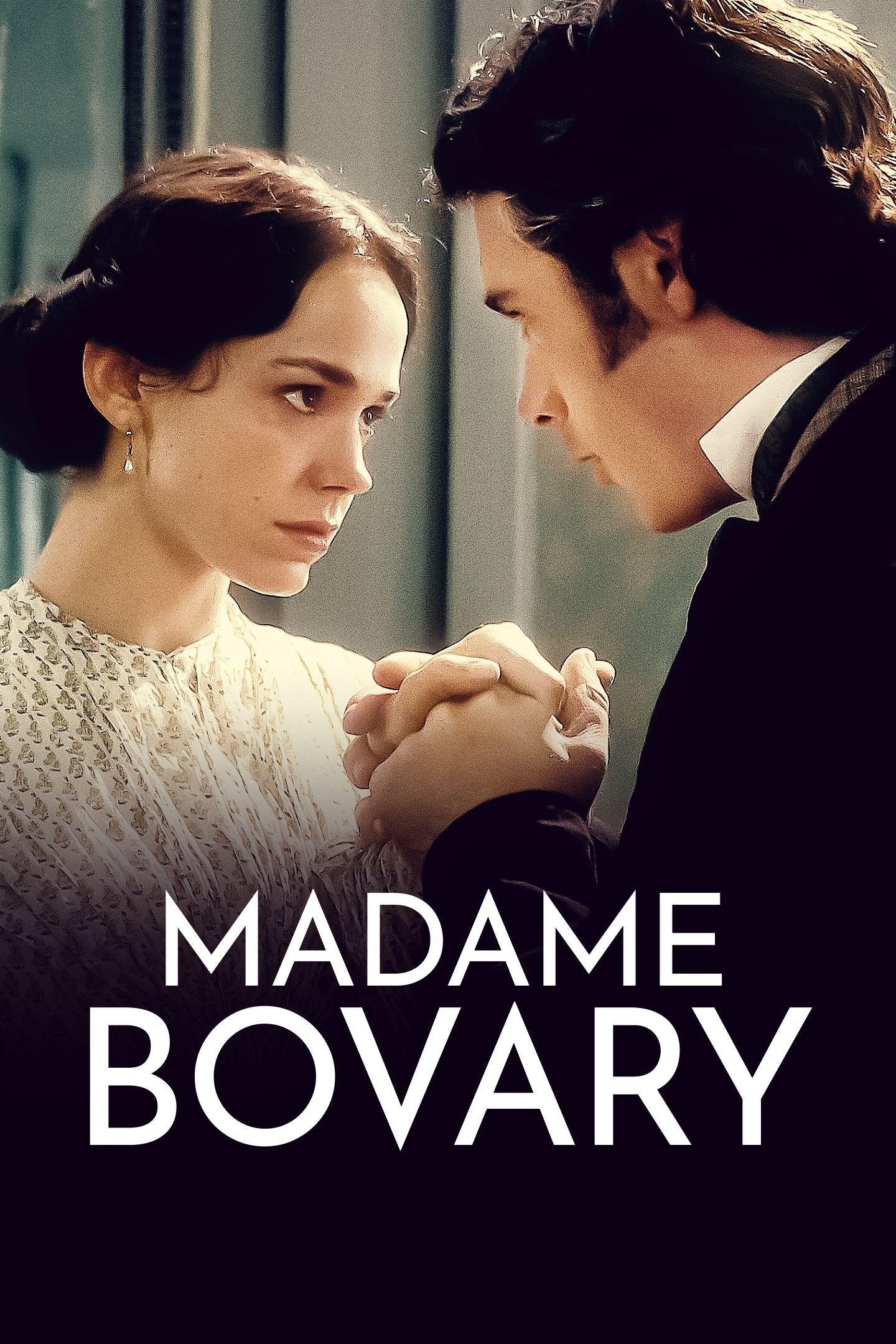
Madame Bovary
In 19th-century France, doctor's wife Emma Bovary seeks to escape her dull provincial life through various extramarital affairs and extravagant spending, leading to tragic consequences.
Insights
Plot Summary
In 19th-century Normandy, Emma Bovary, a farmer's daughter, marries Charles Bovary, a kind but dull country doctor. Dissatisfied with her provincial life and marriage, she seeks fulfillment through adulterous affairs and extravagant spending, leading her down a path of disillusionment and ruin. The film explores her yearning for passion and escape from the mundane reality of her existence.
Critical Reception
Claude Chabrol's adaptation of Gustave Flaubert's classic novel was generally well-received by critics, who praised Isabelle Huppert's performance and Chabrol's sensitive direction. The film was noted for its faithful yet nuanced interpretation of the source material, capturing both the psychological depth of Emma Bovary and the suffocating atmosphere of provincial life.
What Reviewers Say
- Isabelle Huppert delivers a masterful and complex portrayal of Emma Bovary.
- Chabrol's direction is subtle and evocative, capturing the novel's themes of desire and dissatisfaction.
- The film effectively conveys the stifling nature of provincial life and Emma's futile attempts at escape.
Google audience: Google users largely appreciated the film's faithfulness to the novel and the powerful central performance by Isabelle Huppert. Many found the adaptation to be a compelling and well-executed version of the classic story, highlighting its thematic depth and artistic merit.
Fun Fact
Isabelle Huppert, known for her intense performances, spent considerable time immersing herself in the psychological nuances of Emma Bovary, aiming to portray the character's complex desires and eventual despair with authenticity.
AI-generated overview · Verify ratings on official sources