
TV Show spotlight
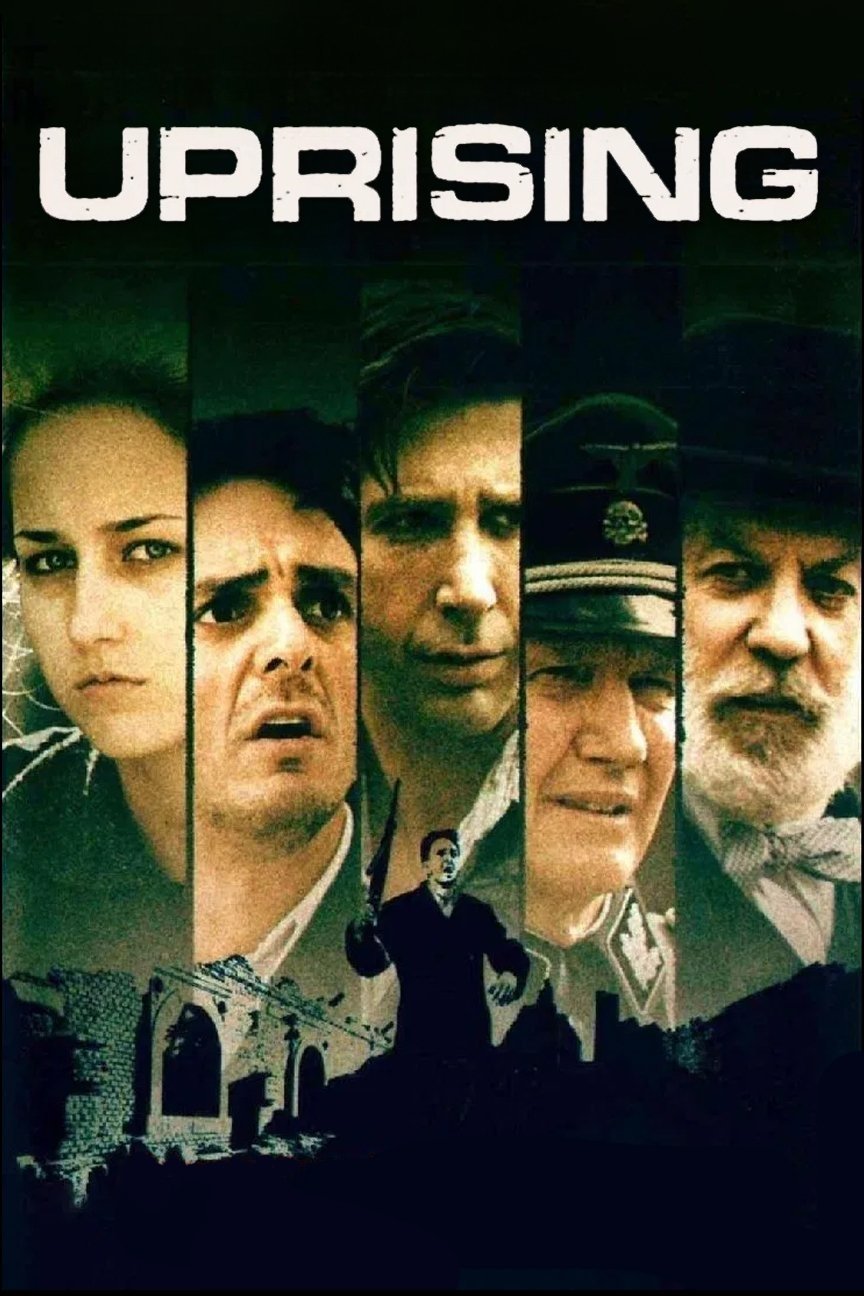
Uprising
On 1 September 1939, Germany invades Poland, after which a regulation was promulgated that all Polish Jews should move to the new Warsaw Ghetto. As in all the ghettos, a Judenrat was appointed and was responsible for the administration of the ghetto. The miniseries tells the moral dilemmas faced by Adam Czerniaków, head of the Judenrat in the Warsaw Ghetto, who had to carry out orders of the German authorities, including sending Jews to the Treblinka extermination camp.
Insights
Plot Summary
The film chronicles the true story of the Warsaw Ghetto Uprising during World War II. It focuses on the efforts of a group of young Jewish fighters who, despite overwhelming odds and facing systematic extermination, bravely resist the Nazi forces.
Critical Reception
Uprising received mixed to positive reviews, with many critics praising the performances of its lead actors and its powerful depiction of a harrowing historical event. However, some found the film's length to be excessive and felt it occasionally strayed into melodramatic territory. Nevertheless, it is widely regarded as a significant and moving portrayal of courage in the face of unspeakable horror.
What Reviewers Say
Praised for its strong performances, particularly from Lelee Sobieski and David Schwimmer.
Commended for its respectful and often harrowing portrayal of the Warsaw Ghetto Uprising.
Criticized by some for its lengthy runtime and occasional melodramatic tone.
Google audience: Audience reception for 'Uprising' is difficult to quantify with specific Google user data, but general sentiment often highlights its emotional impact and the bravery of the characters depicted. Viewers frequently acknowledge the film's difficult subject matter and its value as a historical remembrance.
Fun Fact
The film was produced as a television miniseries and later edited into a feature-length film for broadcast.
AI-generated overview · Verify ratings on official sources