
TV Show spotlight
Bab Al-Hara
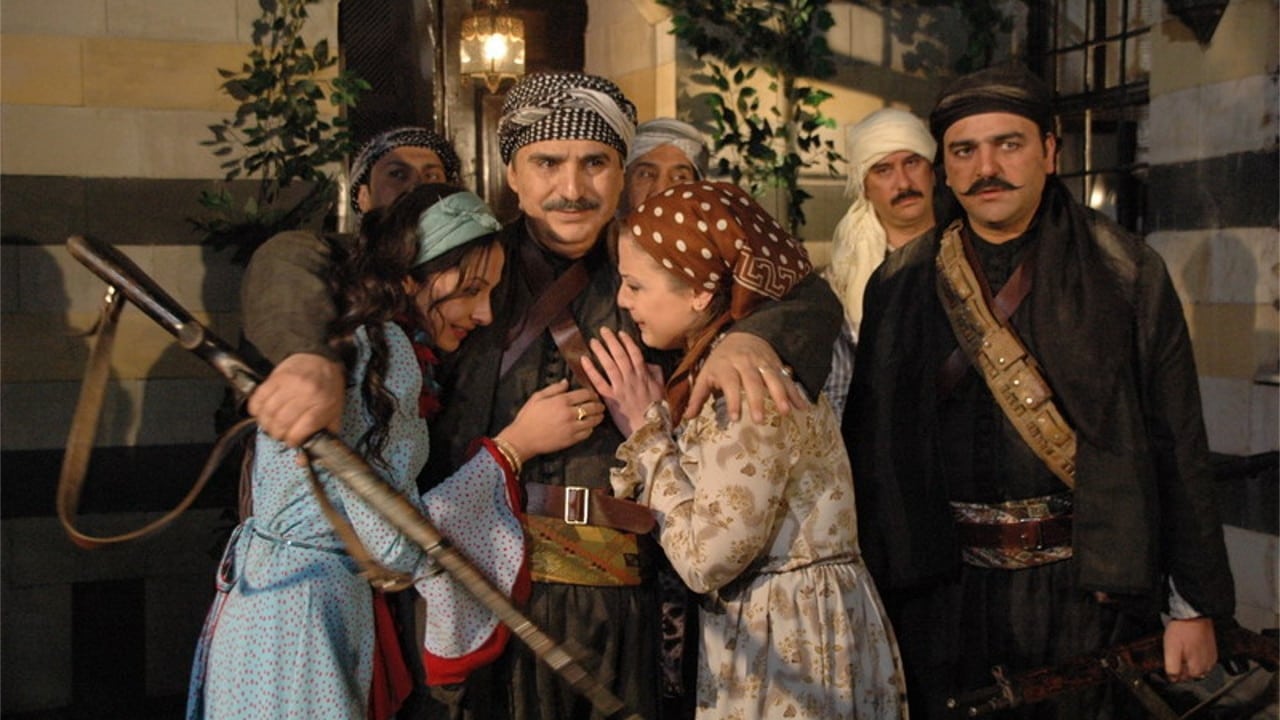
A modern classic of Arab television. A social drama set in the 1920s in Damascus- It highlights Damascene life, noble values, and ancient customs and traditions represented by the people of Harat al-Dabeh who fled to Harat al-Salihiyah after the French bombed Harat al-Dabeh. The events take place after the gold is stolen from the house of the cloth merchant Abu Ibrahim, and the guard Abu al-Samu is killed. The men of the neighborhood try to find the thief.
Insights
Plot Summary
Set in the heart of Damascus during the French Mandate period, 'Bab Al-Hara' chronicles the daily lives, struggles, and triumphs of the residents of a traditional neighborhood. The series explores themes of family honor, community solidarity, and resistance against foreign occupation through intertwined personal stories and dramatic events.
Critical Reception
Critically, 'Bab Al-Hara' has been a mixed bag. While lauded for its vivid portrayal of traditional Syrian society and its strong production values, it has also faced criticism for its melodrama, repetitive plotlines in later seasons, and at times, controversial character portrayals. It maintains a strong, dedicated viewership across the Arab world.
What Reviewers Say
Praised for its authentic depiction of historical Syrian life and cultural nuances.
Commended for strong performances, particularly in its earlier seasons.
Criticized for escalating melodrama and plot contrivances in subsequent seasons.
Google audience: Audience reception is generally positive, with many viewers appreciating the show's nostalgic look at a bygone era and its focus on family values. However, some express disappointment with the perceived decline in quality and repetitive narrative arcs over its many seasons.
Awards & Accolades
None notable for specific seasons, but the series as a whole has been a long-running and popular staple in Arab television, winning numerous fan-voted awards and achieving widespread cultural recognition.
Fun Fact
The iconic 'Bab Al-Hara' (The Alley's Gate) itself is a fictionalized representation, but it draws heavily on the architectural and social atmosphere of old Damascus neighborhoods, contributing to its immersive quality.
AI-generated overview · Verify ratings on official sources