TV Show spotlight
Paper Moon
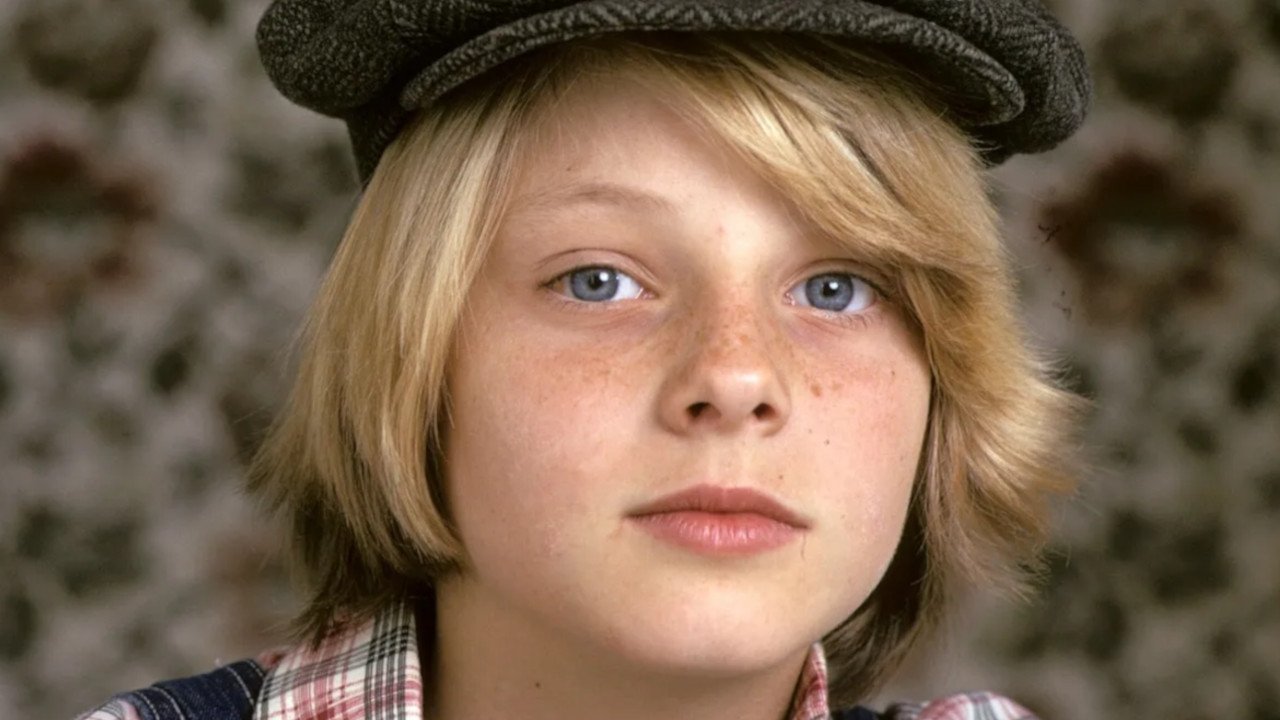
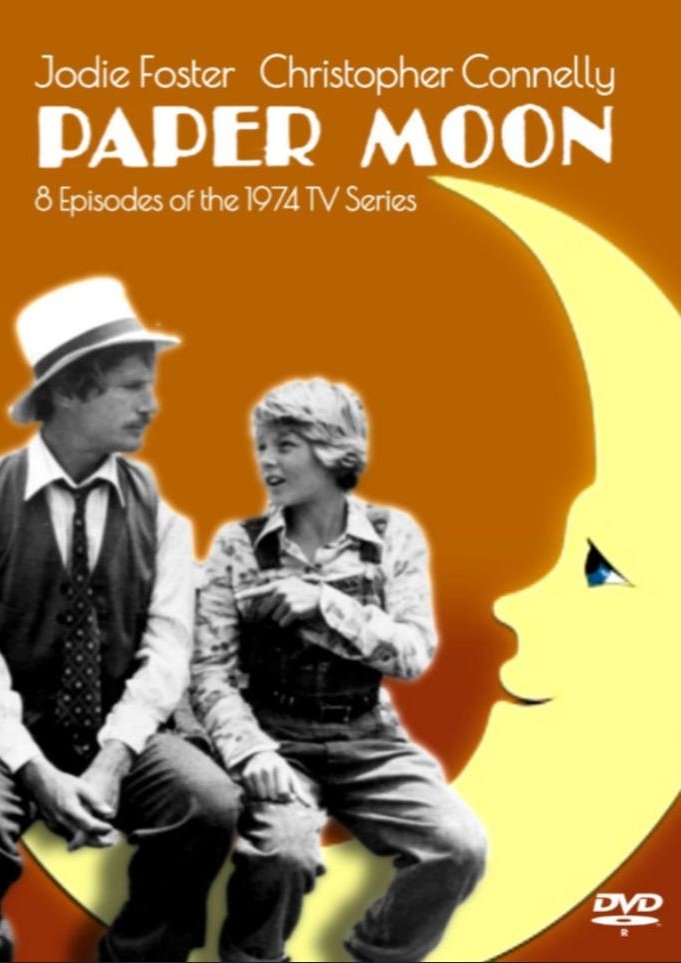
Paper Moon is a short-lived situation comedy which aired on ABC during the fall of 1974, starring Christopher Connelly and Jodie Foster in the roles of Moses Pray and his presumed daughter, Addie. The series is based on the 1973 Peter Bogdanovich film of the same name starring Ryan O'Neal and real-life daughter Tatum O'Neal, which was based on Joe David Brown's 1971 novel entitled Addie Pray.
Insights
Plot Summary
In the Great Depression, a con artist named Moses Pray finds himself saddled with a young girl, Addie, who may or may not be his daughter. Together, they travel across the dust-blown plains of the American Midwest, peddling Bibles to grieving widows and engaging in various other schemes to make a living. Addie proves to be a surprisingly shrewd and resourceful partner, often outsmarting Moses and even taking a cut of his earnings.
Critical Reception
Paper Moon was a critical and commercial success, widely praised for its witty dialogue, charming performances, and nostalgic black-and-white cinematography. It captured the spirit of the era with a blend of humor and pathos, earning accolades for its unique tone and the remarkable chemistry between the father-daughter leads.
What Reviewers Say
Delightful and charming black-and-white comedy-drama that perfectly captures the Great Depression era.
Features standout performances from Ryan O'Neal and a breakout, Oscar-winning role for his daughter, Tatum O'Neal.
The chemistry between the leads and the witty, sharp dialogue are highlights.
Google audience: Audiences loved the film's charm, humor, and the genuine father-daughter dynamic between Ryan and Tatum O'Neal. The period setting and the unique con-artist storyline were also frequently praised.
Awards & Accolades
Tatum O'Neal won the Academy Award for Best Supporting Actress, making her the youngest recipient at the time. The film also received nominations for Best Director, Best Original Screenplay, and Best Supporting Actress for Madeline Kahn.
Fun Fact
The distinctive black-and-white look of the film was a deliberate choice by director Peter Bogdanovich, inspired by the aesthetic of films from the 1930s, the era in which the movie is set. This stylistic choice significantly contributed to the film's nostalgic and authentic atmosphere.
AI-generated overview · Verify ratings on official sources