Parker Lewis Can't Lose

TV Show spotlight

Parker Lewis Can't Lose

1993
TV Show
Ended
3 Seasons
English

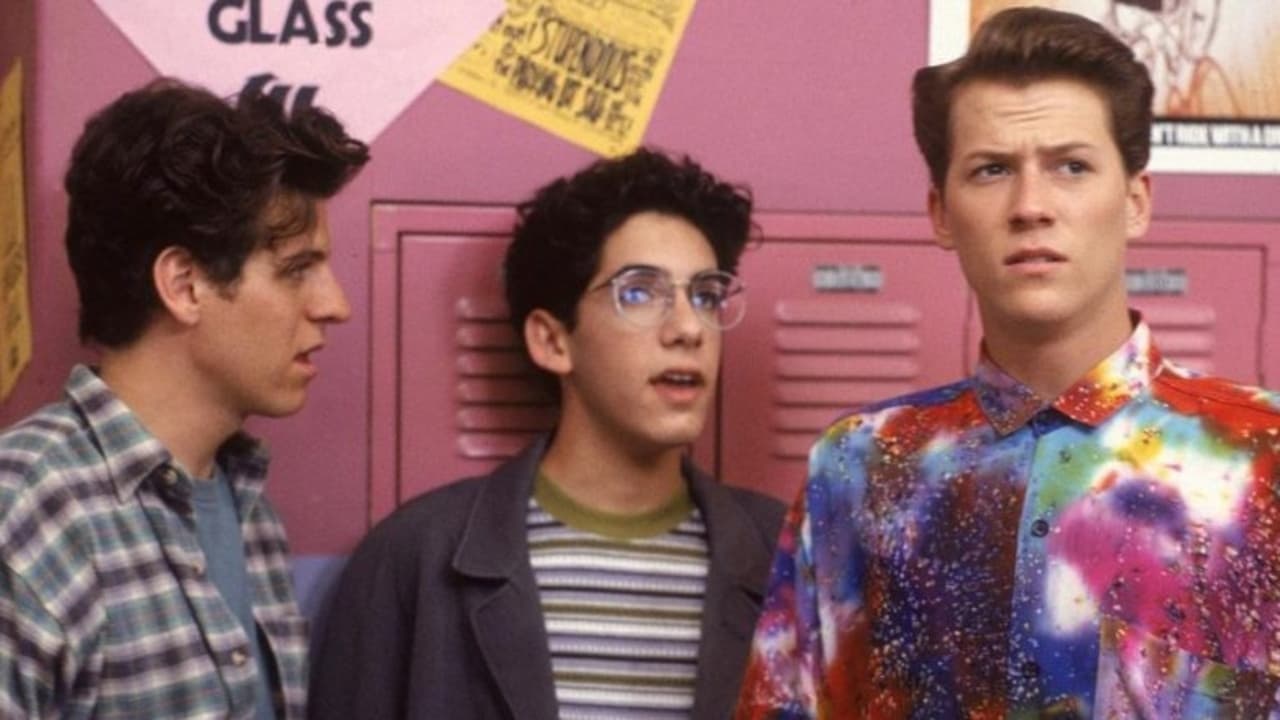
Parker Lewis is a teenager who apparently can't lose. He's cool, cute, popular, hip – and seems to get away with anything. That's not to say he's got no problems. His two primary nemeses are school principal Grace Musso, whose goal is getting Parker expelled; and his little sister Shelly, whose sole purpose seems to be tattling on Parker. However, with best friends Mikey and Jerry, Parker takes on the world and makes the best of high school.

Insights

IMDb7.0/10
Director: VariousGenres: Comedy, Teen

Plot Summary

Parker Lewis is a charismatic and resourceful high school student who navigates the daily absurdities of life at Santo Domingo High. With his loyal friends Mikey and Jerry, and his cool older sister Shelly, Parker uses his wit and charm to overcome obstacles, outsmart authority figures like Principal Honeycutt, and generally maintain his effortlessly cool image. The show is known for its pop culture references, surreal humor, and breaking the fourth wall.

Critical Reception

Parker Lewis Can't Lose was a moderately successful teen sitcom known for its quirky humor and distinctive visual style. While it garnered a loyal following for its unique take on high school life, it was often overshadowed by other shows in its genre. Critics appreciated its creative energy and playful approach to storytelling, though some found its constant meta-commentary and stylized humor to be hit-or-miss.

What Reviewers Say

  • Praised for its innovative and surreal humor.

  • Appreciated for its pop culture savvy and unique visual style.

  • Some found the constant meta-references to be overly quirky.

Google audience: Audience reception data on Google is not readily available for this series, but it is remembered fondly by fans for its distinctively humorous and often bizarre portrayal of high school life.

Fun Fact

The show was known for its distinctive visual style, including "wipes" and other cinematic transitions that were unusual for television at the time, often mimicking classic film techniques.

AI-generated overview · Verify ratings on official sources

My Review