Insights
Plot Summary
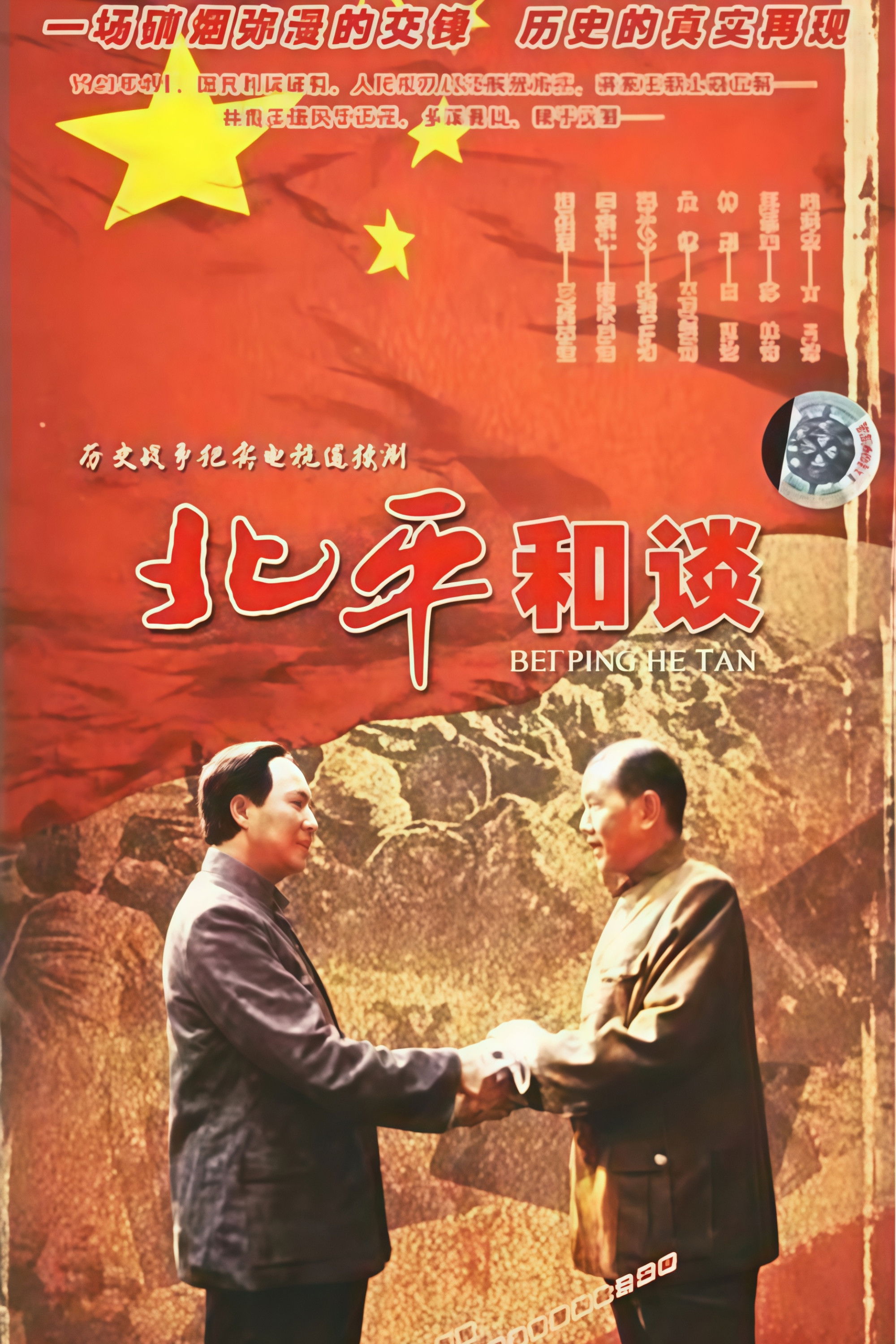
This historical drama chronicles the critical peace talks held in Beiping (now Beijing) in 1949 between the Kuomintang and the Communist Party of China, following the end of World War II and the ensuing civil war. The film depicts the complex negotiations, political maneuvering, and strategic decisions that ultimately led to the Communist victory and the establishment of the People's Republic of China. It focuses on the key figures involved and the immense pressure they faced during this pivotal moment in Chinese history.
Critical Reception
As a domestically produced historical drama, 'Beiping Peace Talks' was primarily aimed at a Chinese audience and received moderate attention within China. It is generally viewed as a significant piece of historical filmmaking that adheres to the official narrative of the period. Critical reviews often highlight its attention to historical detail and the performances of its lead actors, who are known for portraying iconic historical figures.
What Reviewers Say
Praised for its detailed portrayal of a significant historical event.
Lauded for the performances of actors portraying key political leaders.
Seen as a valuable, though ideologically aligned, historical document.
Google audience: Information on specific Google user reviews for this film is not readily available in English-language sources. However, similar Chinese historical dramas often receive comments appreciating the educational value and historical reenactment, while some viewers might comment on the length or the partisan perspective.
Awards & Accolades
None notable internationally.
Fun Fact
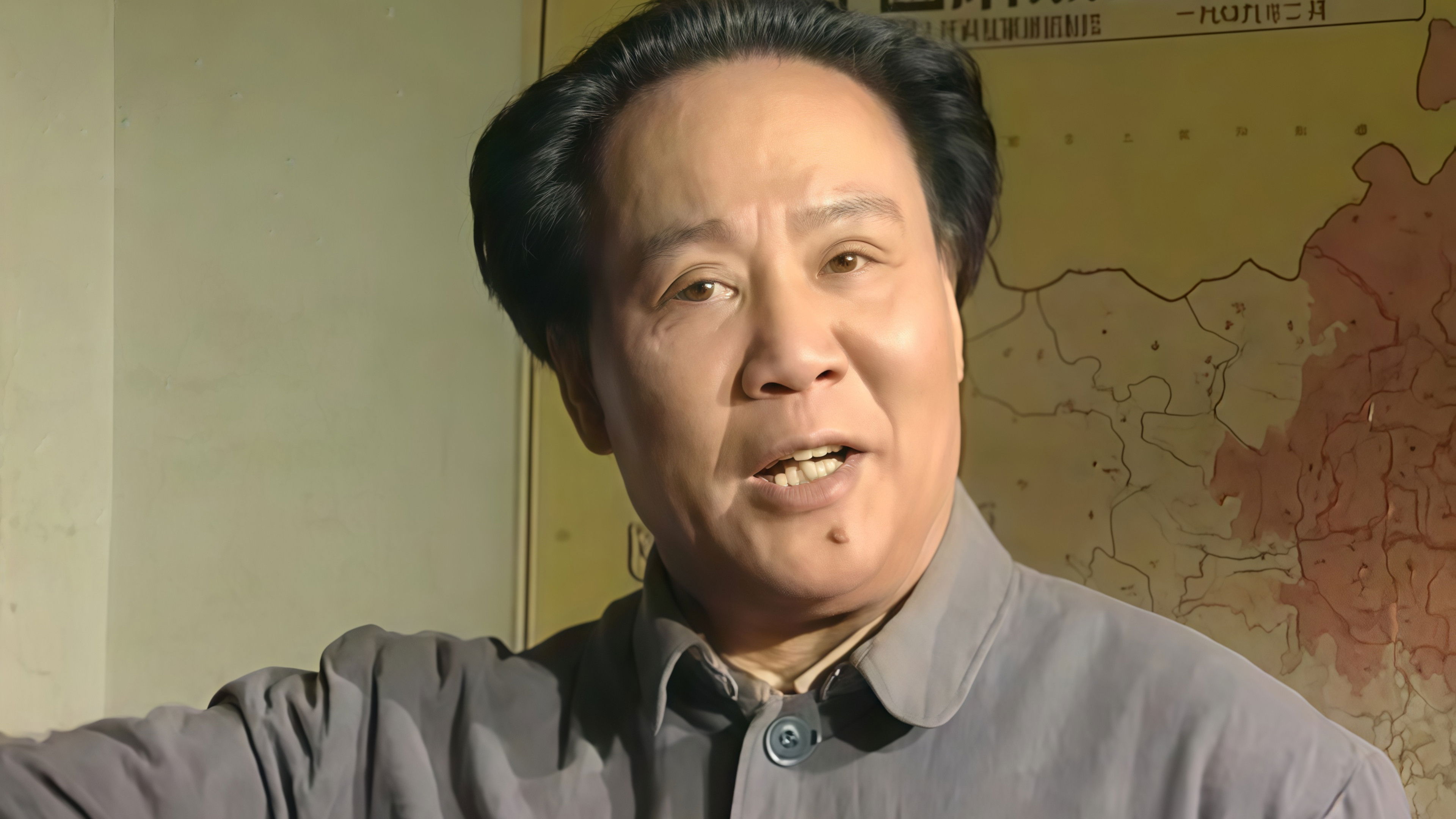
The film features prominent actors who have frequently portrayed historical figures in Chinese cinema, such as Tang Guoqiang as Mao Zedong and Gu Yue as Chiang Kai-shek, lending a sense of authenticity to the historical figures depicted.
AI-generated overview · Verify ratings on official sources