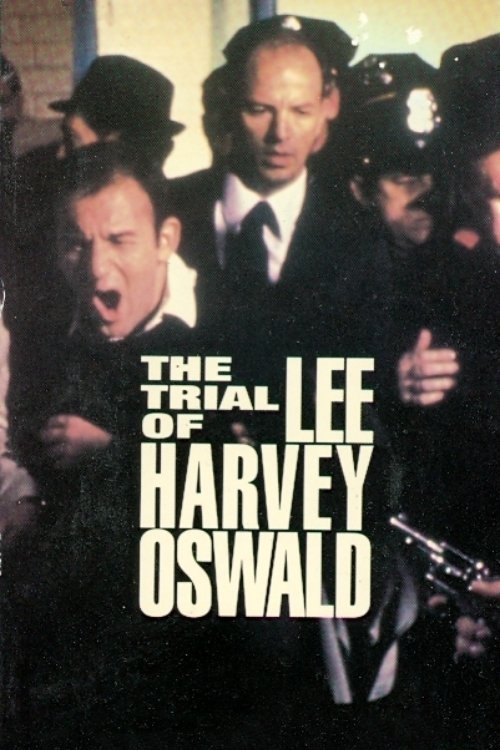
The Trial of Lee Harvey Oswald
The bizarre story behind the man accused of assassinating John F. Kennedy and what might have happened had he been brought to trial.
Insights
Plot Summary
This made-for-television film dramatizes a hypothetical trial of Lee Harvey Oswald for the assassination of President John F. Kennedy. It explores the legal and political complexities surrounding the event, presenting arguments and evidence from various perspectives within the framework of a courtroom drama. The narrative delves into the question of Oswald's guilt and the broader implications of the assassination for American society.
Critical Reception
As a made-for-television film from the 1970s, "The Trial of Lee Harvey Oswald" received a generally moderate reception. It was noted for its attempt to grapple with a highly sensitive and controversial historical event, though some critics found its dramatic approach to be less impactful than a documentary might have been. Audience reactions likely varied, with interest fueled by the enduring mystery of the JFK assassination.
What Reviewers Say
- Praised for its ambitious attempt to fictionalize the trial of a contentious figure.
- Criticized by some for not offering definitive answers to the assassination's mysteries.
- Seen as a product of its time, reflecting public fascination with the JFK event.
Google audience: As a TV movie, direct user reviews are scarce and not widely aggregated. However, general audience interest in the JFK assassination suggests a potentially divided response, with some appreciating the dramatic exploration and others finding it speculative.
Fun Fact
The film was created at a time when public interest in the JFK assassination was reignited by the release of the controversial Zapruder film footage to the public and the House Select Committee on Assassinations' investigation.
AI-generated overview · Verify ratings on official sources