
TV Show spotlight
Mouri Motonari
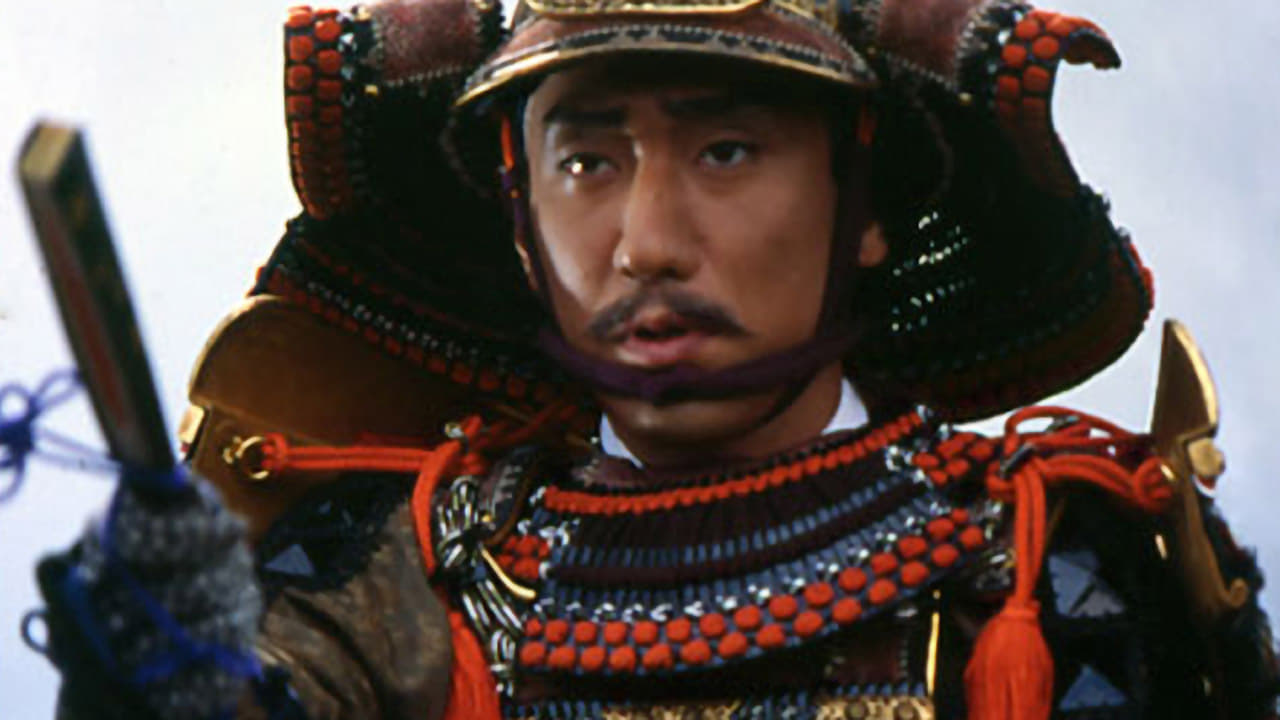
The 36th NHK Taiga Drama is Mori Motonari. This series chronicles the life of Mori Motonari, a warlord of the early 1500s who stood at the vanguard of the Warring States era. All Japanese school textbooks contain the Mitsuya no kyokun, Mori's famous lesson to his three sons that teaches that while one arrow is easily broken, three arrows together cannot be broken. In 1997, 500 years after his birth, NHK dramatizes Motonari's rise from a chief of the region of Aki (now Hiroshima) to a daimyo who rules over ten provinces of the Chugoku region. Motonari was 64 years old and already the patriarch of a powerful dynasty about the time Oda Nobunaga and Takeda Shingen appeared on the scene. And even after his death, the Mori family figured prominently in Japanese history. His grandson Terumoto became a loyal Toyotomi vassal. Defeated at the Battle of Sekigahara, Ieyasu confiscated most of his lands, leaving him only with Suwo and Nagato, later known as Choshu. But 260 years later, the Mori got their ultimate revenge, leading the imperial forces against the Tokugawa in the Meiji Restoration.
Insights
Plot Summary
This epic historical drama chronicles the life and military campaigns of Mouri Motonari, a prominent daimyo (feudal lord) of the Sengoku period in Japan. The series follows his rise to power, his strategic brilliance in unifying western Japan, and the complex political and familial relationships that defined his era. It delves into his famous 'Three Arrows' parable, emphasizing unity and strength within his family and domain.
Critical Reception
As a historical drama focused on a pivotal figure of the Sengoku period, 'Mouri Motonari' was generally well-received in Japan for its detailed portrayal of history, intricate plotlines, and strong performances. It is praised for its educational value and dramatic storytelling, appealing to audiences interested in Japanese history and samurai sagas.
What Reviewers Say
Praised for its in-depth historical accuracy and dramatic portrayal of Sengoku-era politics.
Features strong performances, particularly from the lead actors embodying historical figures.
Appreciated for its focus on strategy, leadership, and the complexities of feudal Japan.
Google audience: Audience reception often highlights the series' faithful depiction of historical events and the compelling narrative of Mouri Motonari's rise. Viewers appreciate the detailed costumes, sets, and the insightful exploration of samurai culture and warfare.
Awards & Accolades
None notable (Specific awards for this TV series are not widely documented in international databases).
Fun Fact
The series is known for its meticulous attention to historical detail regarding costumes, weaponry, and the social customs of the Sengoku period, aiming for authenticity in its portrayal of Mouri Motonari's life and times.
AI-generated overview · Verify ratings on official sources