
TV Show spotlight
Dance in the Vampire Bund
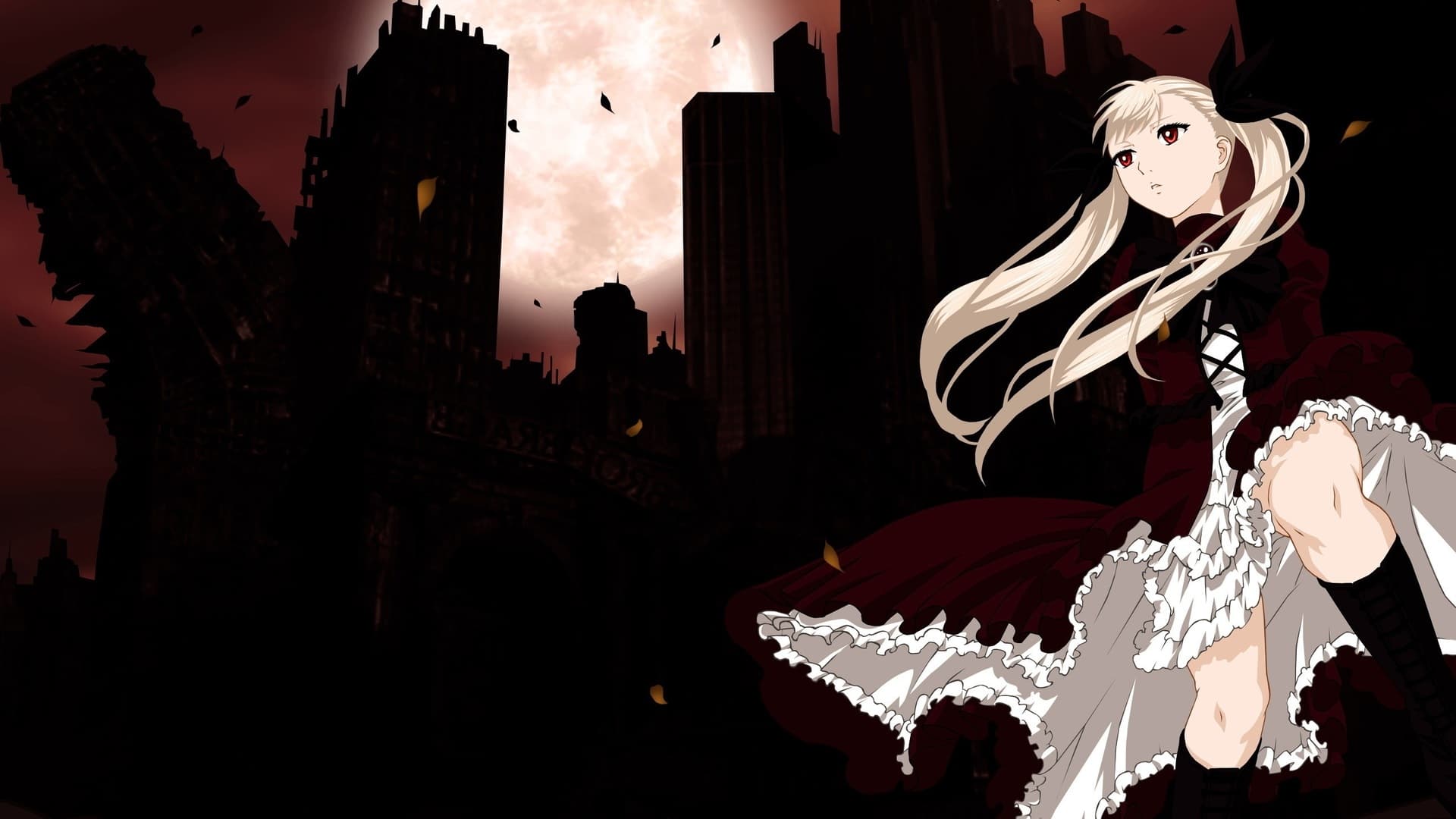
Mina Tepeş, the Princess of the ancient covenant and ruler of all vampires, wants her race to stop hiding from the humans. Using her vast wealth, she has paid off Japan's entire national debt and by doing so, gained the right to create a district off Japan's coast that is to become the future haven to vampires worldwide. But when she finally attempts to make public the existence of vampires to the world some politicians, terrorists and rival factions are plotting to assassinate Mina before she has a chance to get Japan's and international recognition for the Vampire Bund. Now she must rely on her strength, cruelty and those closest to her, while trying to make a normal life.
Insights
Plot Summary
In the near future, vampires have been revealed to the world and seek coexistence. Princess Mina Tepes, the ancient ruler of the vampires, plans to establish a special territory in Japan for her kind. To achieve this, she reveals her true nature and a vast fortune, attracting both allies and enemies. Her loyal werewolf bodyguard, Akira, protects her from those who wish to exploit or destroy her.
Critical Reception
Dance in the Vampire Bund received a mixed to negative reception from critics and audiences, with many criticizing its inconsistent pacing, underdeveloped plot, and controversial themes. However, some praised its ambitious premise and unique character designs.
What Reviewers Say
The anime attempts to blend political intrigue, supernatural elements, and romance, but struggles to balance these components effectively.
Character development is often superficial, and the plot can feel rushed or nonsensical at times.
Despite its flaws, the series offers a visually distinct aesthetic and a unique premise for fantasy anime fans.
Google audience: Audience reviews are scarce and generally lean towards disappointment, with common criticisms focusing on a convoluted storyline and a lack of engaging character arcs. Some viewers appreciated the artistic direction and the darker, more mature themes explored.
Fun Fact
The series is based on a manga by Kōhei Kadono, which ran from 2006 to 2012.
AI-generated overview · Verify ratings on official sources