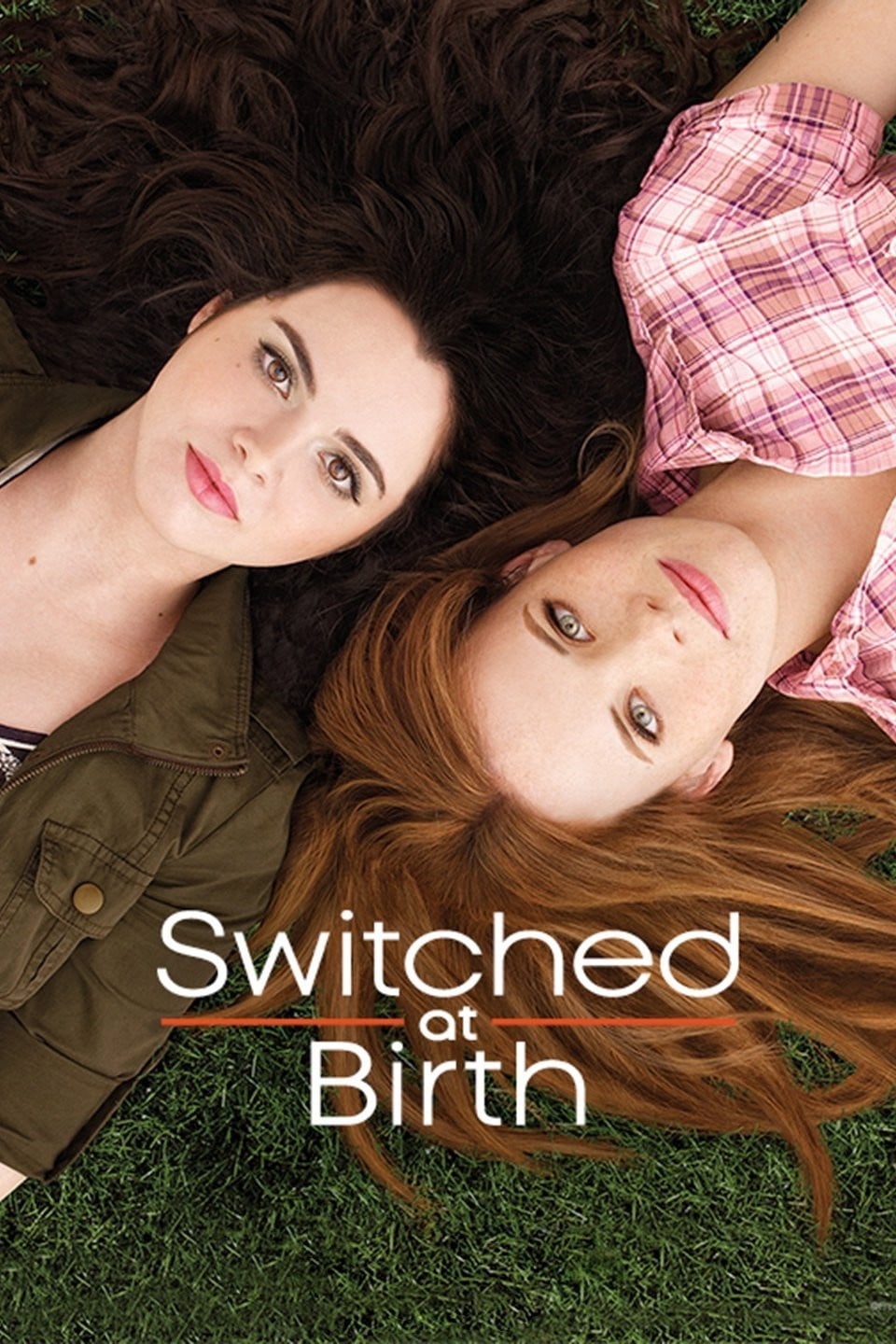

Switched at Birth
The story of two teenage girls who discover they were accidentally switched as newborns in the hospital. Bay Kennish grew up in a wealthy family with two parents and a brother, while Daphne Vasquez, who lost her hearing at an early age due to a case of meningitis, grew up with a single mother in a working-class neighborhood. Things come to a dramatic head when both families meet and struggle to learn how to live together for the sake of the girls.
Insights
Plot Summary
This drama series follows two teenage girls, Bay Kennish and Daphne Vasquez, who discover they were switched at birth and grew up with different families. The series explores the complex emotional and social dynamics as their families attempt to navigate this unprecedented situation. It delves into themes of identity, family, belonging, and the challenges faced by the deaf and hearing communities.
Critical Reception
Switched at Birth was critically acclaimed for its innovative use of sign language, its authentic portrayal of the deaf community, and its compelling storytelling. The series was praised for its strong performances, particularly from its young leads, and its ability to tackle sensitive social issues with nuance and depth.
What Reviewers Say
- Praised for its groundbreaking use of ASL and authentic representation of the deaf community.
- Commended for its emotionally resonant storylines and strong character development.
- Appreciated for its ability to balance teen drama with meaningful social commentary.
Google audience: Audiences widely appreciated the show's unique premise and its dedication to showcasing deaf culture and sign language, finding it both educational and emotionally engaging. The compelling character arcs and the exploration of complex family dynamics were frequently highlighted as strengths.
Awards & Accolades
Peabody Award (2011), TV Guide Award for Favorite Actress (Katie Leclerc, 2012), ALMA Award for Outstanding Television Series (2012).
Fun Fact
The series famously featured entire scenes shot and performed in American Sign Language (ASL), with subtitles, which was a significant storytelling choice that contributed to its critical praise.
AI-generated overview · Verify ratings on official sources