
TV Show spotlight
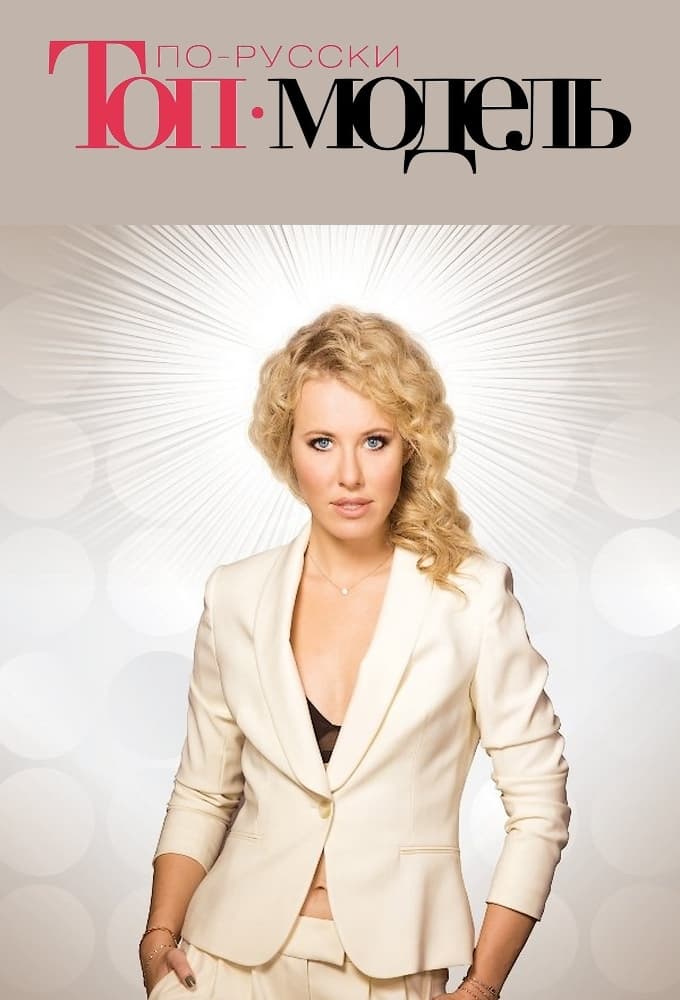
Top Model po-russki
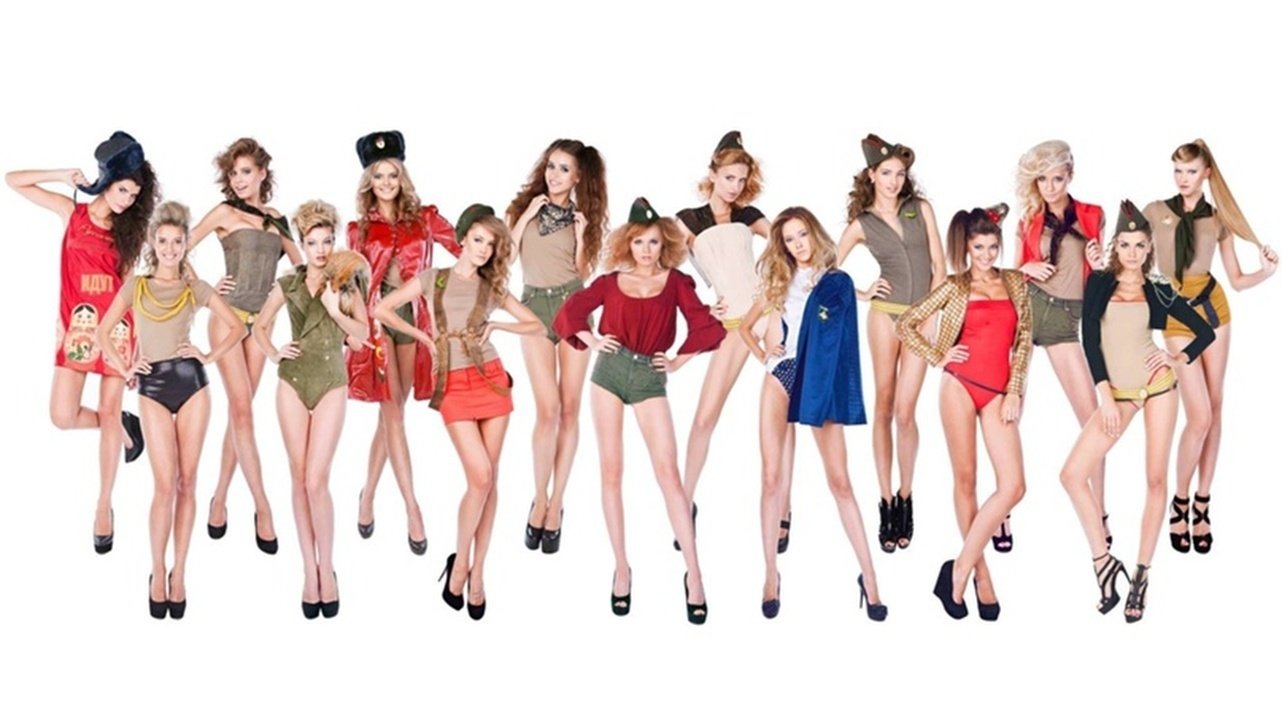
Top Model po-russki is a Russian reality television show and the second Russian adaptation of Tyra Banks' America's Next Top Model, after You are a Supermodel, which aired from 2004 to 2007. The show places a group of young contestants from Russia against each other in a variety of challenges to determine who will win title of the next Russian Top Model along with a lucrative modelling contract, and other prizes in the hope of a successful future in the modeling industry.
Insights
Plot Summary
Top Model po-russki is the Russian adaptation of the internationally successful "The Next Top Model" franchise. The series follows a group of aspiring fashion models as they compete in a series of challenges, photo shoots, and interviews. Each week, contestants are judged on their performance, with one model eliminated until a winner is crowned.
Critical Reception
As a reality competition show, critical reception often focuses on the entertainment value, the drama among contestants, and the overall production quality. While specific critical reviews for the Russian version are not widely documented in English-language sources, the format generally garners attention from fans of fashion and reality TV.
What Reviewers Say
Praised for its engaging format that highlights the challenges of the modeling industry.
Viewers often enjoy the dramatic interactions between contestants and the judges' critiques.
Seen as a typical reality competition with high production values for its genre.
Google audience: Audience reception for 'Top Model po-russki' generally reflects satisfaction with the show's ability to deliver on the familiar 'The Next Top Model' formula. Viewers often engage with the competitive aspects and the aspiring models' journeys, appreciating the fashion-centric challenges.
Fun Fact
The show is part of a global franchise, with adaptations airing in numerous countries, each bringing a local flavor to the competitive modeling format.
AI-generated overview · Verify ratings on official sources