IMDb8.3/10
Rotten Tomatoes97%
Metacritic83/100
Google Users94%
Director: Various (Initial creator Jennyworth), Philip John, Euros Lyn•Genres: Drama, Period Drama, Medical Drama
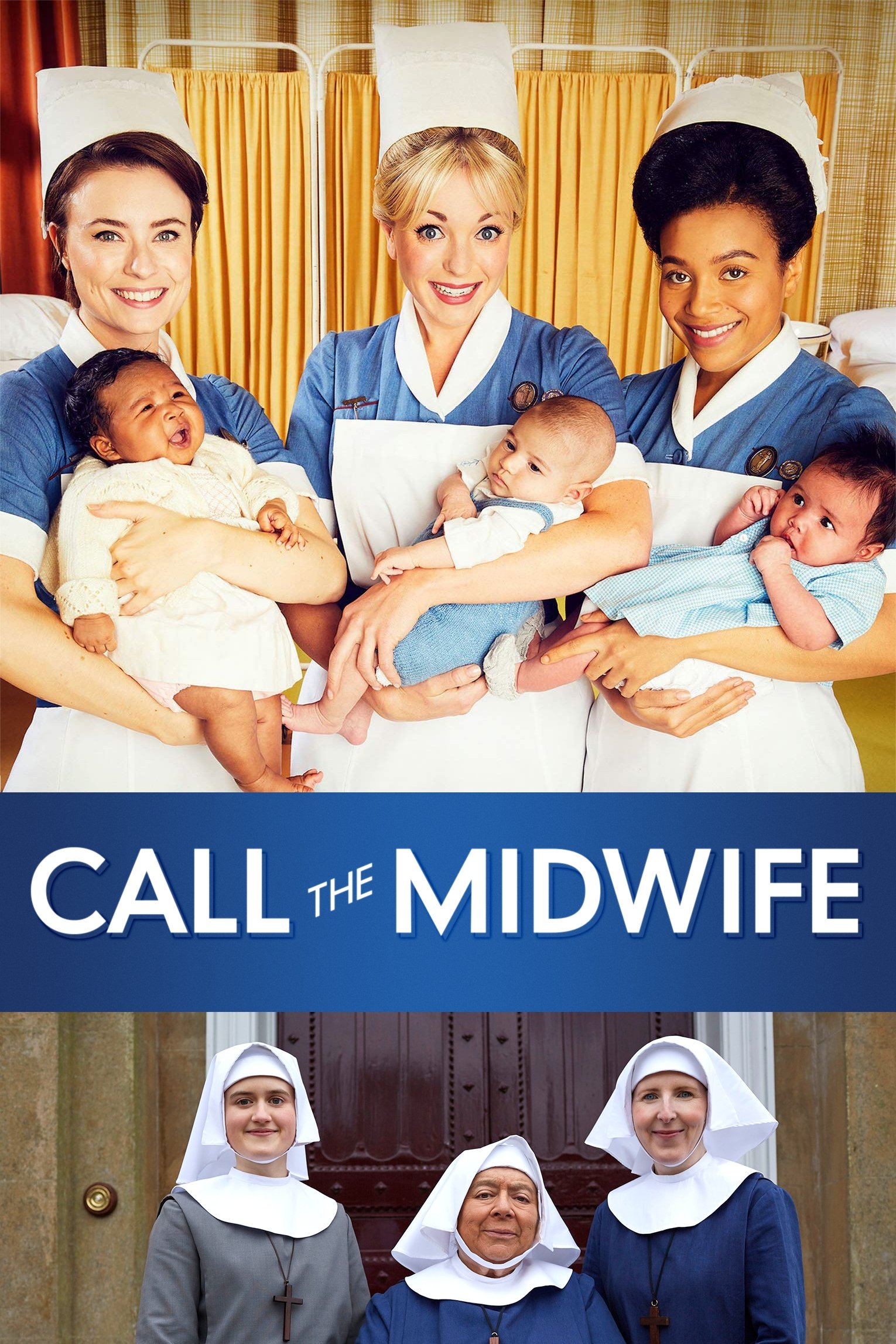
Set in the late 1950s and early 1960s, Call the Midwife follows a group of nurse midwives in East London. Working in the impoverished Nonnatus House, they provide prenatal and postnatal care to mothers and their families. The series sensitively tackles a wide range of social and medical issues of the era, highlighting the challenges and triumphs of both the midwives and the community they serve.
Call the Midwife has been widely praised for its compassionate storytelling, strong performances, and accurate portrayal of historical social and medical conditions. Critics and audiences alike have lauded its ability to balance heartwarming moments with unflinching depictions of hardship, making it a consistently popular and critically acclaimed drama.
Praised for its heartwarming and emotional storytelling.
Commended for its strong ensemble cast and character development.
Appreciated for its authentic depiction of historical social and medical issues.
Google audience: Google users consistently praise Call the Midwife for its compelling characters, emotional depth, and sensitive handling of difficult topics. Many appreciate the show's historical accuracy and the uplifting messages of community and resilience it conveys, often describing it as a feel-good yet thought-provoking series.
Nominated for multiple BAFTA TV Awards, National Television Awards, and other prestigious awards. Won numerous awards for its acting, writing, and production design.
The iconic Nonnatus House, the convent where the midwives live, is actually a set built on the backlot of a film studio, designed to evoke the period architecture of London's East End.
AI-generated overview · Verify ratings on official sources