
misubisu
## **Die Schatzinsel (1966) Review: A Gritty, East German Gem of Classic Adventure** Before the era of CGI spectacle and postmodern deconstruction, there was a time when adventure stories were told with stark realism, moral clarity, and ...
TV Show spotlight
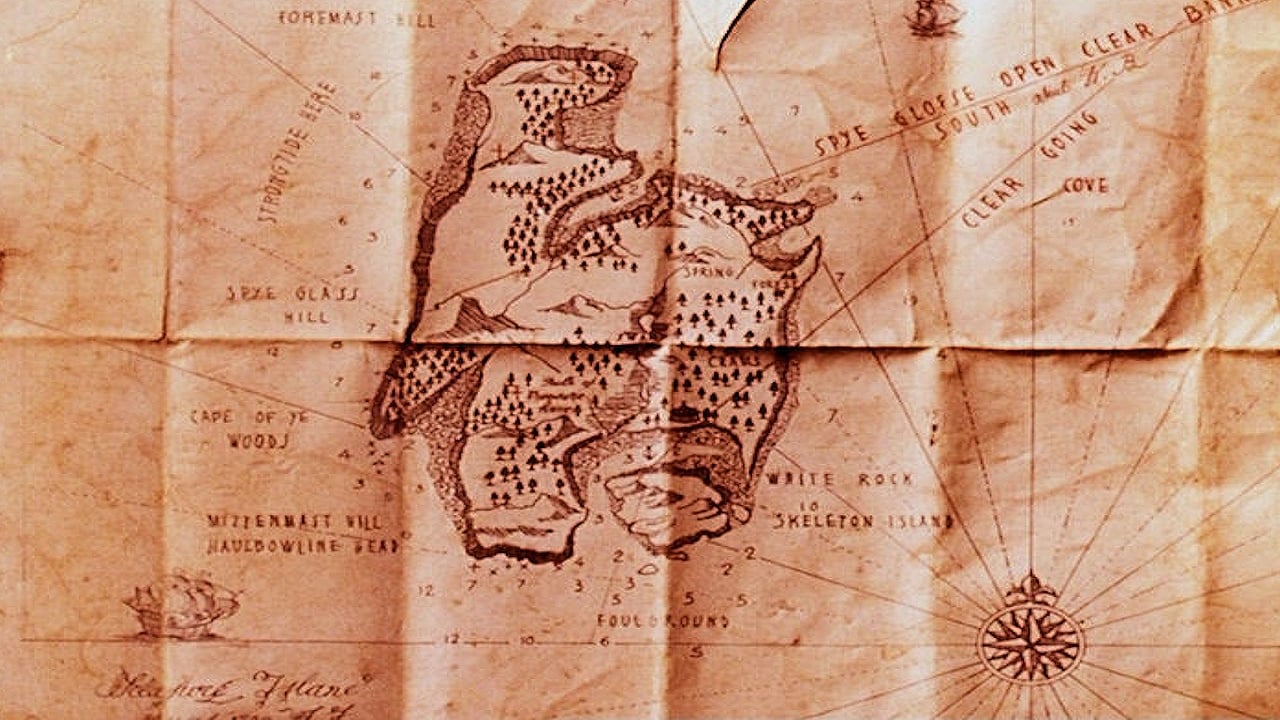
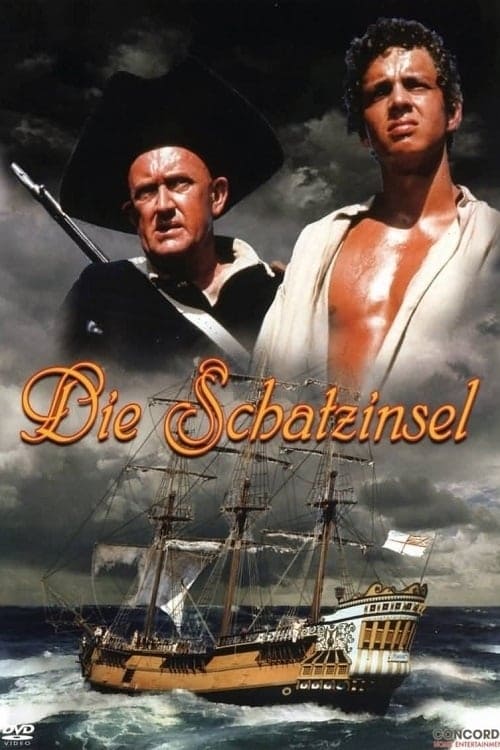
"Die Schatzinsel" (Treasure Island) - 1966: An Overview This film is a live-action, East-German/Czechoslovak adaptation of Robert Louis Stevenson's classic adventure novel. However, it's crucial to know that it is not a direct, faithful adaptation of the book. Instead, it is a highly liberal and stylised re-imagining that blends the pirate adventure with the popular genre of the time: the Euro-Western. Plot Summary (The Basic Premise) The core premise remains the same: a young man, Jim Hawkins, comes into possession of a treasure map and embarks on a voyage to a remote island. However, the 1966 version takes significant liberties: Setting: While the novel is set in the 18th century, this film has a distinct 19th-century "Wild West" feel, with characters using revolvers and wearing costumes that feel more like cowboys than classic 1700s pirates.
This German television adaptation of Robert Louis Stevenson's classic novel follows the young Jim Hawkins as he comes into possession of a treasure map. He embarks on a perilous sea voyage with a motley crew, including the cunning pirate Long John Silver, in search of buried pirate gold. Their journey is fraught with danger, mutiny, and the constant threat of betrayal as they race against time and the other fortune seekers.
As a television production from the 1960s, 'Die Schatzinsel' was a notable adaptation for its time, aimed at a family audience. It was generally well-received for its adventurous spirit and faithful portrayal of the source material, though specific critical reviews from its initial broadcast are scarce. It is remembered as a solid German television production of a beloved literary work.
Praised for its adventurous plot and engaging storytelling.
Recognized as a faithful adaptation of Stevenson's classic novel.
Appreciated for its strong performances, particularly by the main cast.
Google audience: Audience reception for this specific German television adaptation is difficult to gauge through modern aggregated platforms, but it is generally recalled fondly by those who watched it during its original broadcast as an exciting and well-made adventure.
This adaptation was produced by the German public broadcaster ZDF, which was known for its high-quality television productions during the 1960s and 70s.
AI-generated overview · Verify ratings on official sources
## **Die Schatzinsel (1966) Review: A Gritty, East German Gem of Classic Adventure** Before the era of CGI spectacle and postmodern deconstruction, there was a time when adventure stories were told with stark realism, moral clarity, and ...