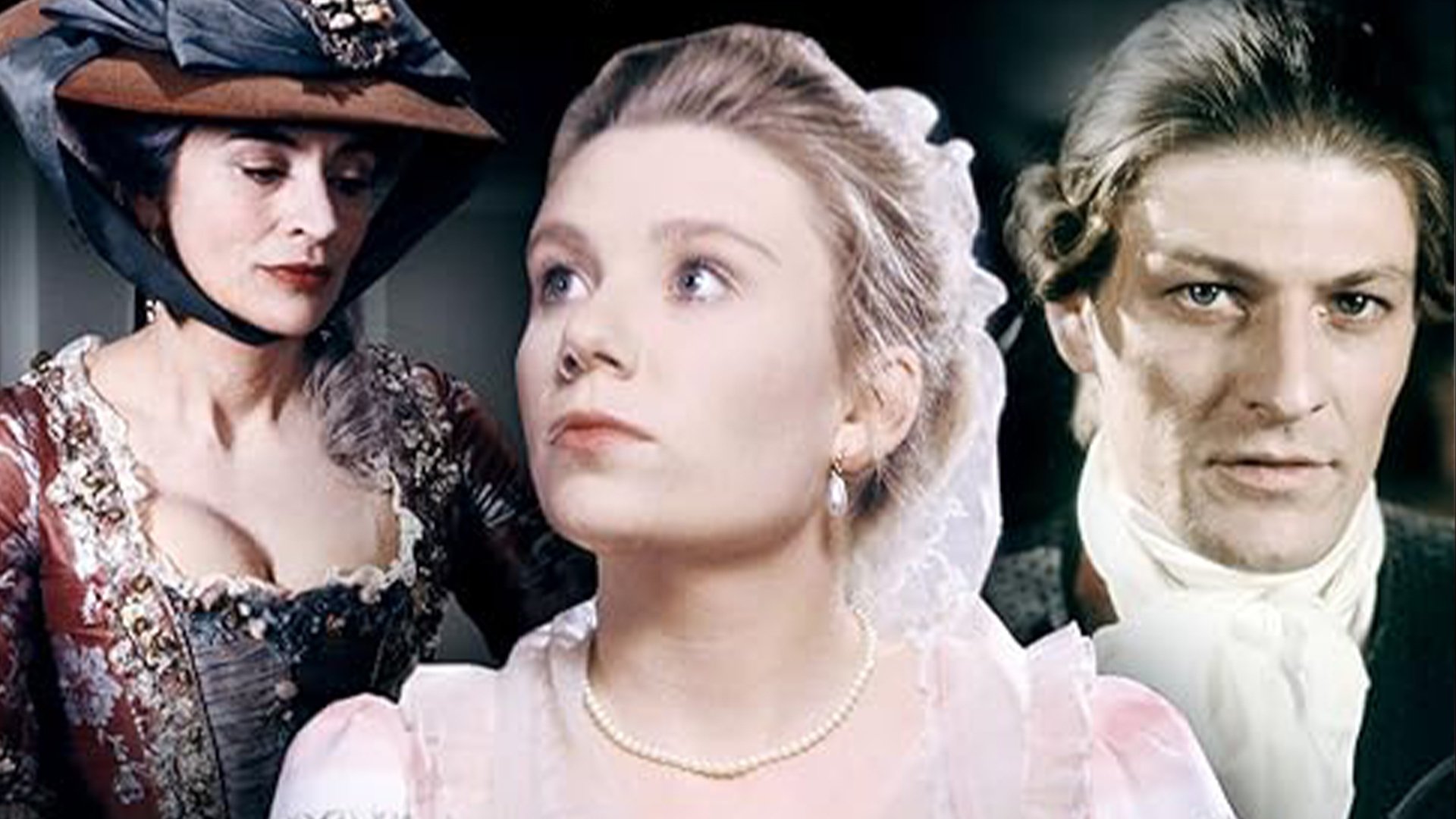

Clarissa
A virtuous young woman is oppressed by her ambitious family and a rake who's becomes obsessed with her. Based on the 1749 novel Clarissa by Samuel Richardson.
Insights
Plot Summary
Based on Samuel Richardson's epistolary novel, this drama follows the titular character, a young woman of virtue and intelligence, as she navigates the treacherous social landscape of 18th-century England. Clarissa Harlowe faces unwanted advances from the wealthy and unscrupulous Lovelace, whose manipulations threaten to ruin her reputation and her life. The story unfolds through letters, revealing the emotional turmoil and difficult choices she must make.
Critical Reception
Clarissa (1991) was a BBC television adaptation that received moderate critical attention, largely praised for its faithfulness to the source material and strong performances. While not a major blockbuster, it was appreciated by audiences interested in literary adaptations and period dramas.
What Reviewers Say
- Praised for its detailed and faithful adaptation of Richardson's complex novel.
- The performances, particularly from the lead actors, were highlighted as a strong point.
- Some found the pacing deliberate, befitting the epistolary nature of the source material.
Google audience: Audience reception data for this specific 1991 adaptation is not widely available on Google platforms.
Fun Fact
The novel 'Clarissa' by Samuel Richardson is considered one of the longest novels in the English language, making its adaptation a significant undertaking.
AI-generated overview · Verify ratings on official sources