
TV Show spotlight
Leopold the Cat
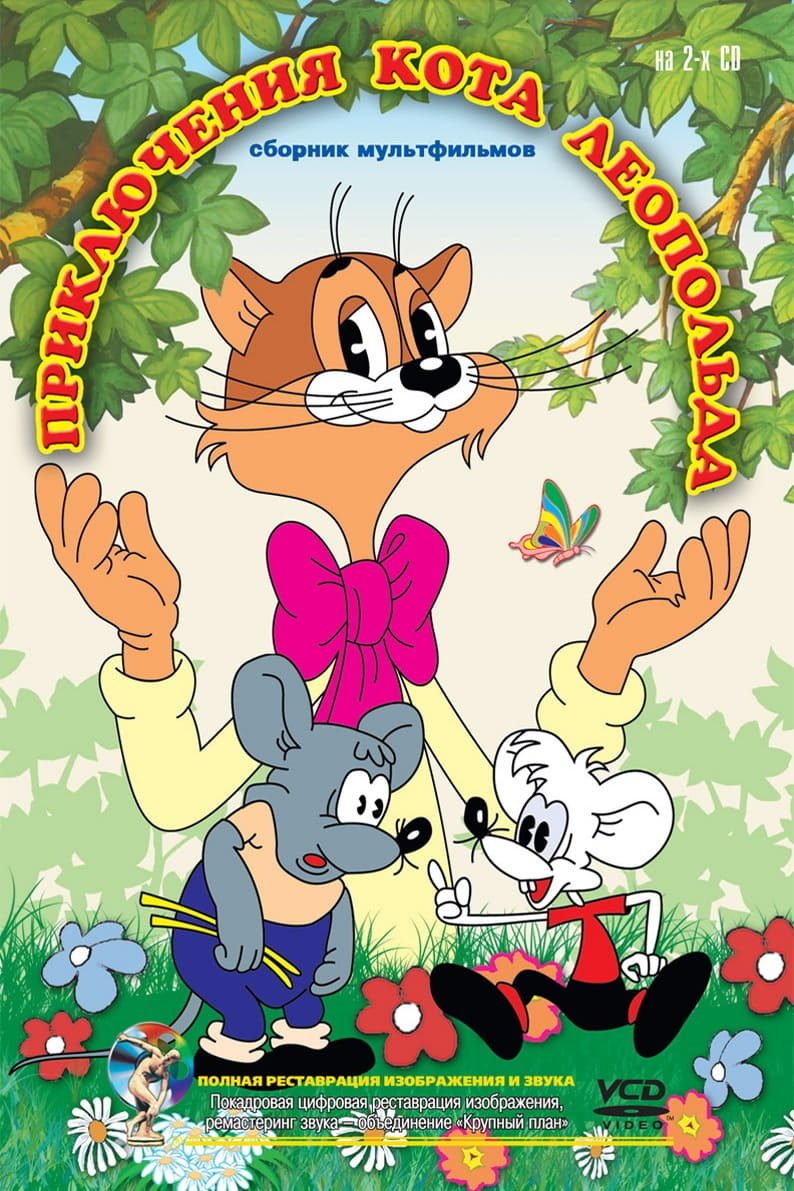
Leopold the Cat is a Soviet/Russian animation series about the pacifistic, and intelligent cat, Leopold. Leopold always wears a bow tie even when swimming. He is always confronted by two mischievous mice, Grey and White. It was filmed by T/O Ekran in 1975 - 1987 and its runtime is 87 min. As of 1987, there were 11 episodes in total. Eventually, in 1995, most of the episodes were released on DVD. It was directed by Anatoly Reznikov, and the screenplay was written by Arkady Hayt. Boris Savelyev wrote the score. The cinematography was by Ernst Gaman, Igor Shkamarda, and Vladimir Milovanov. Nelli Kudrina did the sound. His catchphrase is - "Let's live in friendship, guys". The catchphrases of the mice are "Come out, Leopold!" by one and "Come out, you foul coward!" by the second.
Insights
Plot Summary
This charming animated short follows the misadventures of Leopold the Cat, a kind and peace-loving feline who constantly tries to avoid the pranks of two mischievous mice. Despite their best efforts to annoy him, Leopold's gentle nature and cleverness always win out, leading to humorous and heartwarming resolutions.
Critical Reception
Leopold the Cat is a beloved classic of Soviet animation, cherished for its simple yet effective storytelling and positive moral lessons. While not widely reviewed by international critics in the traditional sense, its enduring popularity among audiences, particularly children, speaks to its widespread appeal and success as a family-friendly cartoon.
What Reviewers Say
Praised for its gentle humor and positive messages.
Appreciated for its simple animation style and relatable characters.
A nostalgic favorite for generations who grew up with Leopold's adventures.
Google audience: Audience reception is largely positive, with many recalling Leopold's adventures fondly from childhood and appreciating the character's emphasis on kindness and friendship.
Fun Fact
The character of Leopold the Cat was so popular that it spawned numerous sequels and spin-off animated shorts, becoming a cultural icon in Soviet and post-Soviet countries.
AI-generated overview · Verify ratings on official sources