TV Show spotlight
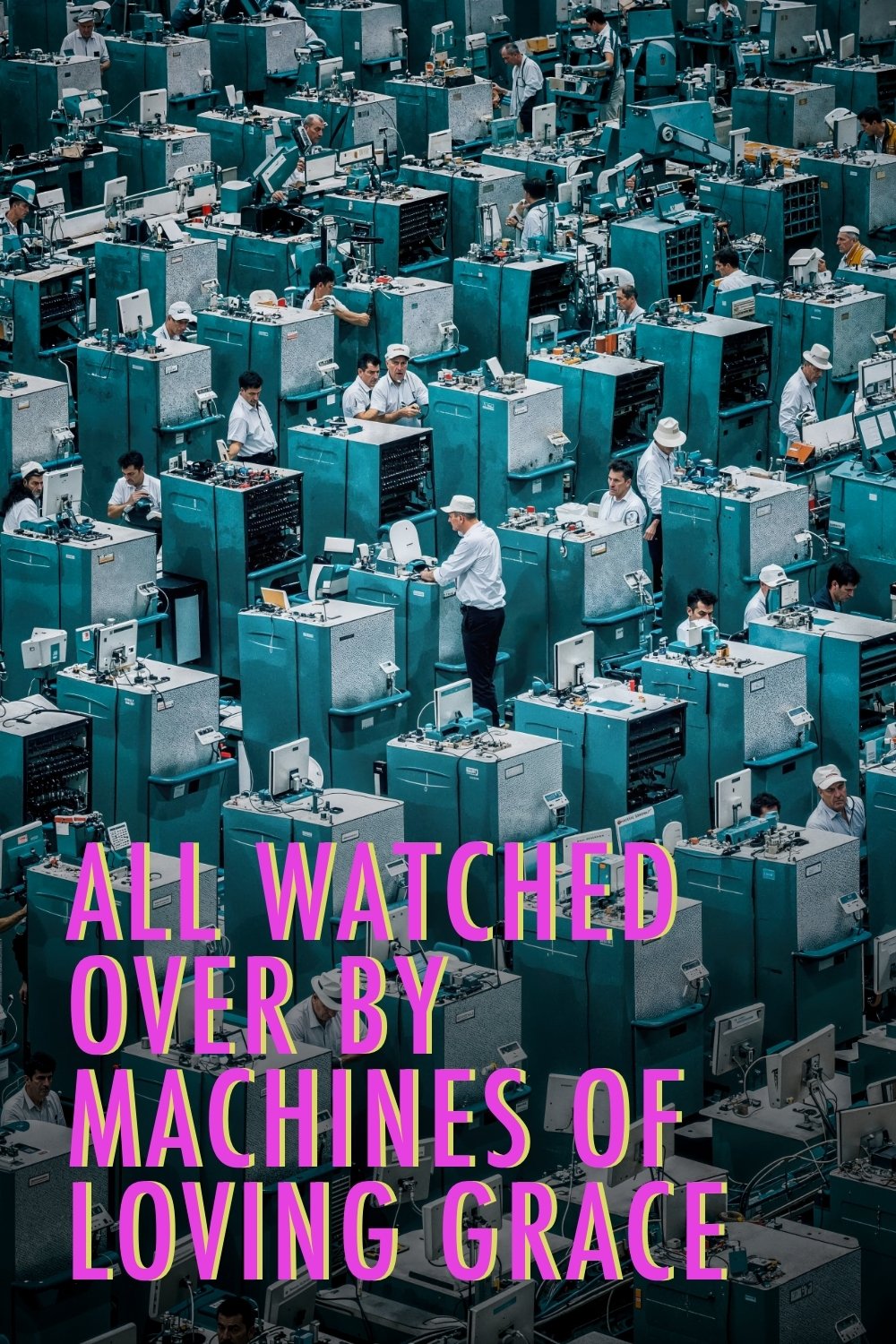
All Watched Over by Machines of Loving Grace
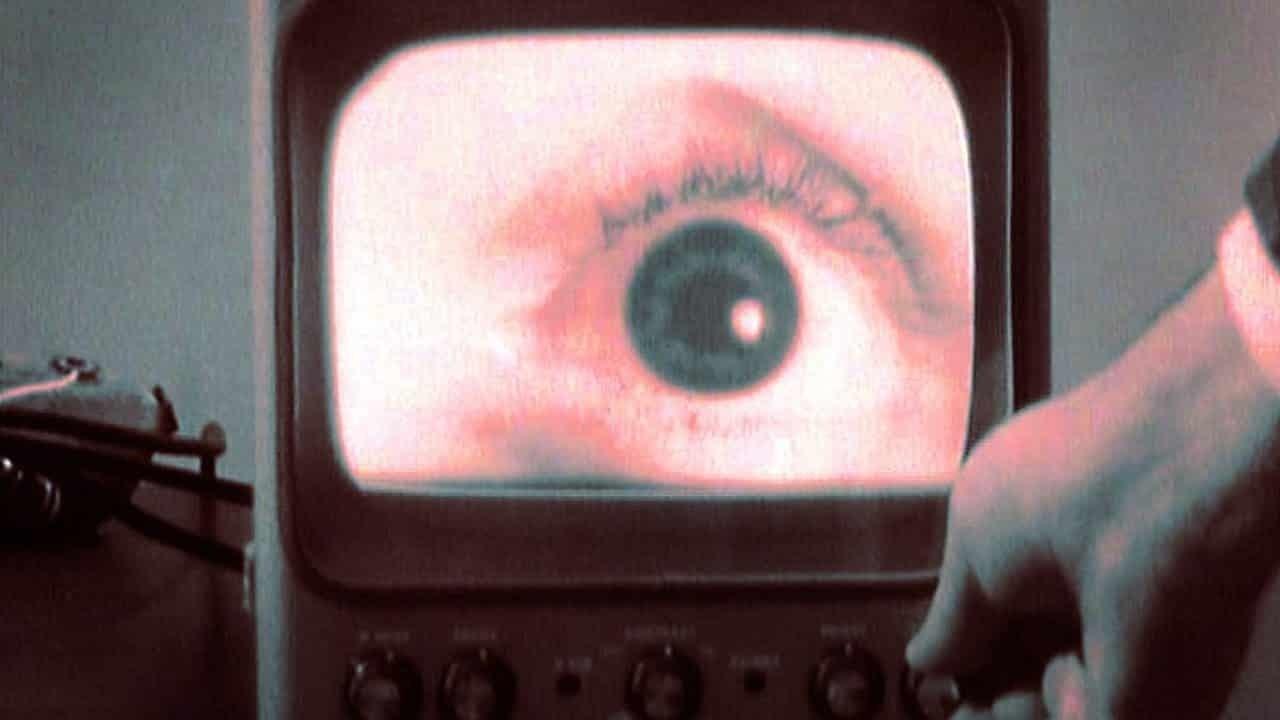
We have been colonised by the machines we have built. Although we don't realise it, the way we see everything in the world today is through the eyes of the computers.
Insights
Plot Summary
This documentary explores how the idea of a benevolent, intelligent machine that would solve all of humanity's problems became a dominant force in shaping the modern world. It delves into the utopian visions of the 20th century, influenced by thinkers who believed technology and rationalism could create a perfect society, and examines how these ideals have led to both progress and unforeseen consequences. The film traces the evolution of this dream from its origins in the early days of computing and the Cold War to its influence on contemporary politics and culture.
Critical Reception
Adam Curtis's 'All Watched Over by Machines of Loving Grace' was widely acclaimed by critics for its ambitious scope and thought-provoking exploration of humanity's relationship with technology and utopian ideals. Reviewers often praised its unique visual style, intricate narrative, and ability to connect disparate historical events into a cohesive, often unsettling, argument about the modern condition. While some found its vastness challenging, the general consensus highlighted its intellectual rigor and its timely relevance.
What Reviewers Say
Praised for its expansive and ambitious exploration of utopian technological dreams.
Acclaimed for Adam Curtis's distinctive directorial style and ability to connect complex historical threads.
Noted for its thought-provoking and often unsettling commentary on modern society's relationship with technology.
Google audience: Viewers appreciated the documentary's insightful and expansive look at the history of technology and its influence on society. Many found the film to be intellectually stimulating and relevant to contemporary issues, highlighting its unique perspective and Adam Curtis's narrative skill.
Awards & Accolades
Nominated for the Grierson Award for Best Documentary at the 2012 BFI London Film Festival.
Fun Fact
The film's title is derived from a 1967 poem by Richard Brautigan, which imagines a future utopia where humans live in harmony with benevolent machines.
AI-generated overview · Verify ratings on official sources