TV Show spotlight
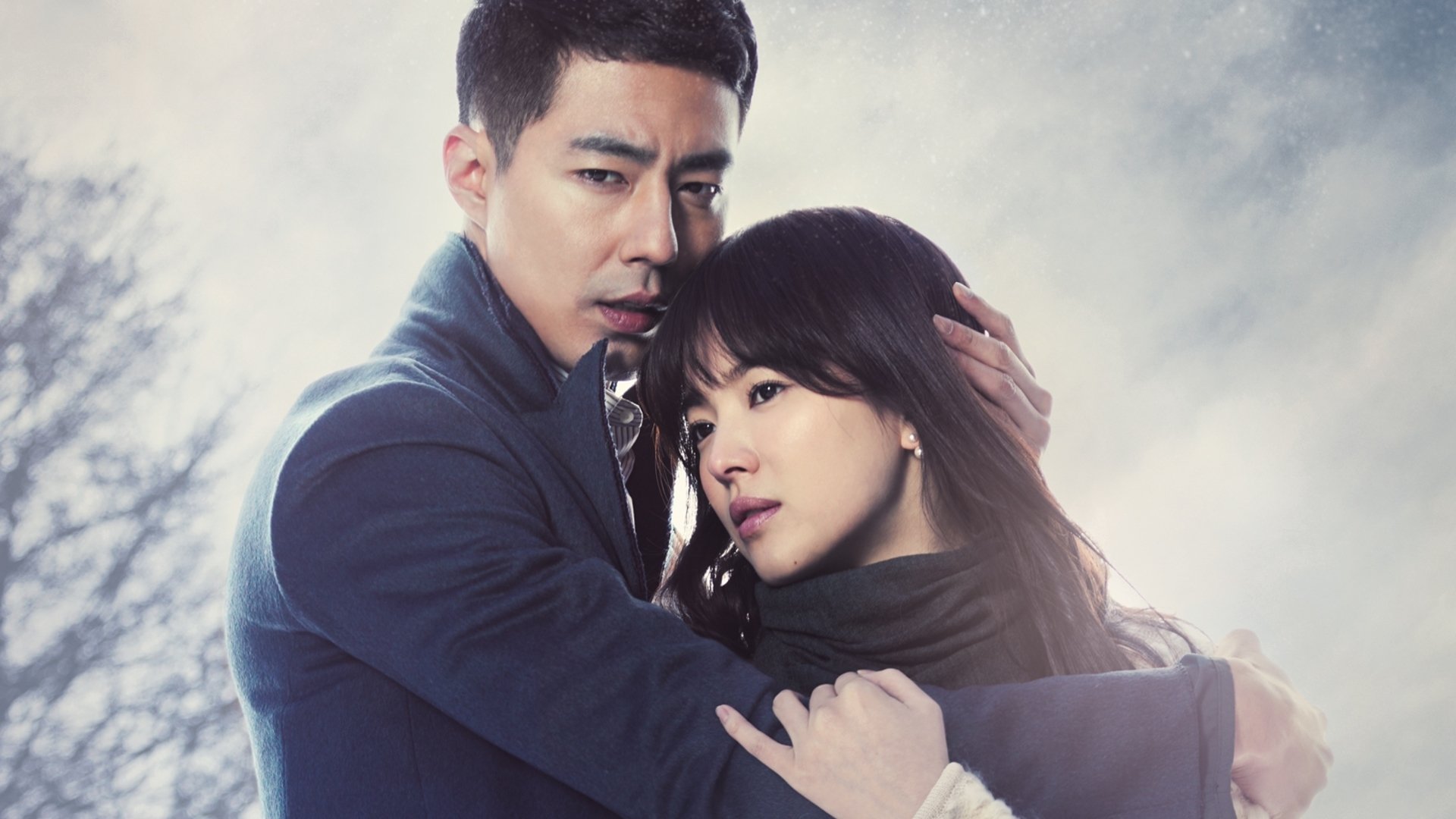
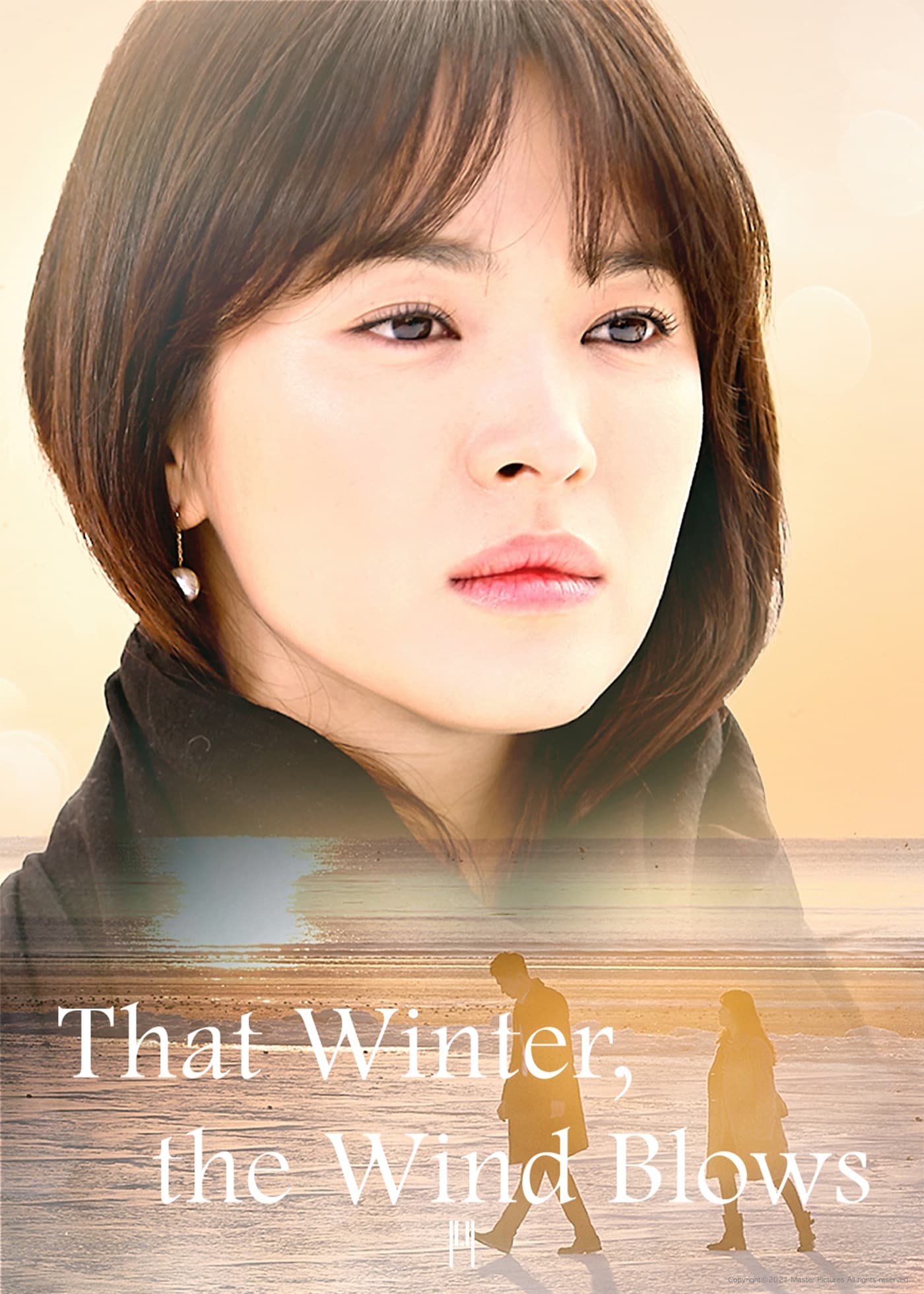
That Winter, the Wind Blows
Circumstances condemn Oh Soo and Oh Young to loveless lives. After the untimely death of his first love, Oh Soo turns to an ambitionless life as a derelict gambler. The gorgeous Oh Young should be leading the perfect life as an heiress, but when her parents’ divorce crumbles the family, she faces the reality of living life alone—particularly in light of her increasingly impaired vision. When these two heavy souls cross paths, fate delivers a chance meeting that will change their lives forever.
Insights
Plot Summary
Oh Soo is a con man and a former gambler who lives a solitary life after his father's death. He gets involved with Moo Chul, a gangster, and loses his first love and his best friend. Years later, he learns that his childhood friend is now a wealthy heiress, Oh Young, who lives a lonely life after being abandoned by her father and brother. Oh Soo poses as her brother to gain access to her wealth, but he unexpectedly falls in love with her. Their lives become intertwined with secrets, tragedies, and a fight for survival.
Critical Reception
That Winter, the Wind Blows was a highly acclaimed South Korean television drama, praised for its stunning cinematography, strong performances, and emotionally resonant storyline. It garnered significant attention for its melodrama and tragic romance, appealing to a wide audience both domestically and internationally.
What Reviewers Say
Praised for its visually striking cinematography and atmospheric direction.
Lauded for the powerful and nuanced performances of the lead actors, particularly Jo In-sung and Song Hye-kyo.
Felt by some to be overly melodramatic and tragic, which was also a point of appeal for others.
Google audience: Audience reception data for this specific show on Google is not readily available in a summarized format, but it was generally well-received by viewers who appreciated its emotional depth and cinematic quality.
Awards & Accolades
Won numerous awards including the Grand Prize (Daesang) for Television at the Baeksang Arts Awards, Best Drama at the Seoul International Drama Awards, and multiple acting awards for its lead actors.
Fun Fact
The drama is a remake of the 2002 Japanese television drama 'I Love You' (愛なんていらねえよ、夏), which was also adapted into a film in 2006.
AI-generated overview · Verify ratings on official sources