TV Show spotlight
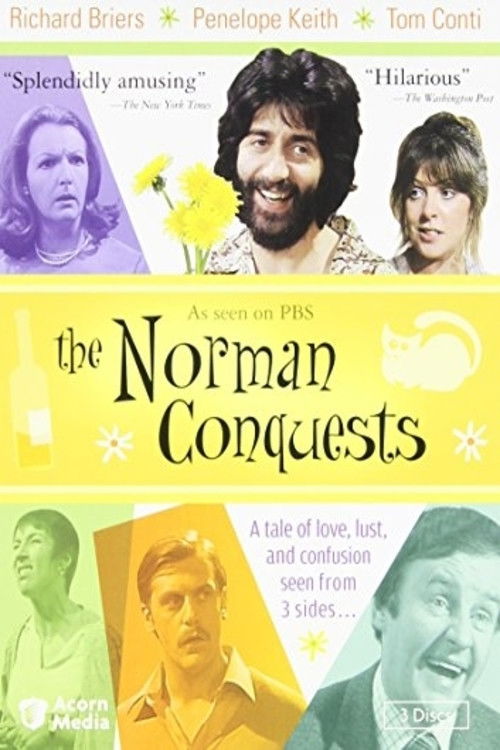
The Norman Conquests
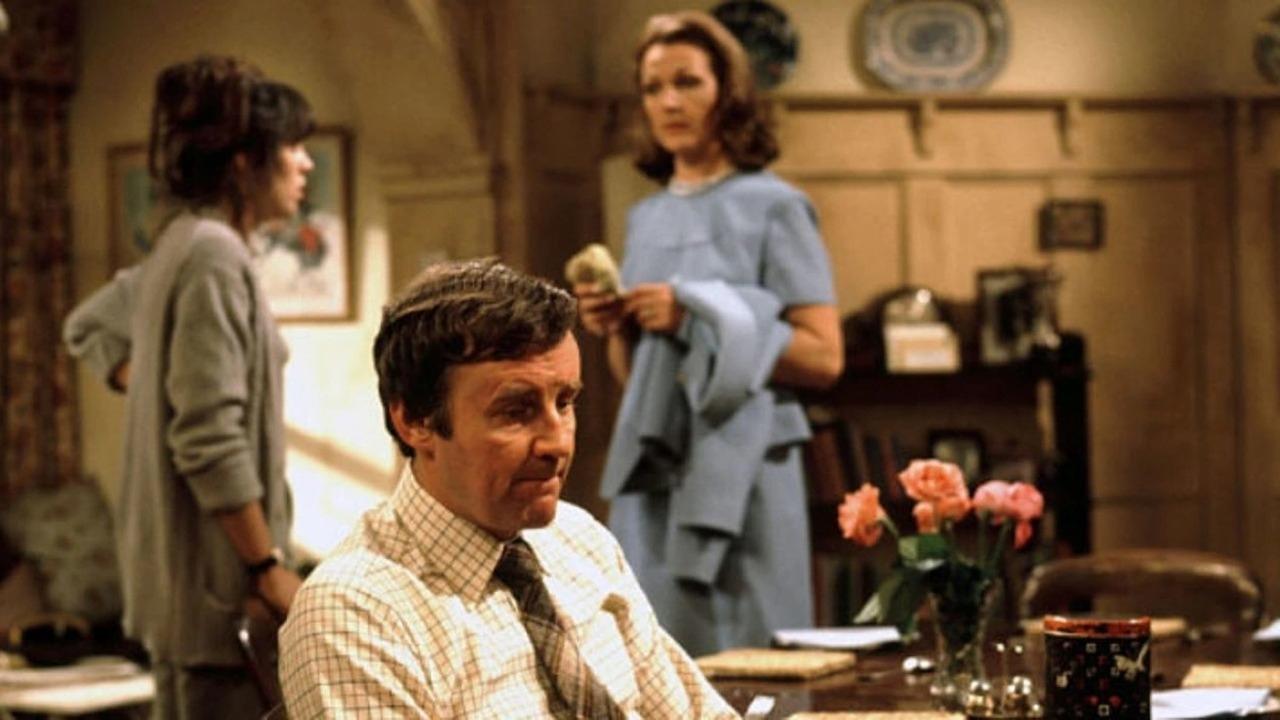
The trilogy presents a comically fraught weekend from three different perspectives, as family and in laws gather at the decaying country home of their bedridden mother; the drink flows, and hidden enmities, intimate secrets and uncomfortable truths emerge through the veneer of jollity and civility.
Insights
Plot Summary
This comedy follows Norman, an assistant librarian, as he attempts to navigate a chaotic family weekend at a country house. Over the course of three interconnected plays, his schemes for romance and attention unfold with hilariously awkward results, involving his wife, his sister-in-law, and a young woman he fancies. The weekend reveals the subtle power dynamics and simmering resentments within the family.
Critical Reception
The Norman Conquests was highly acclaimed for its witty writing, sharp observations of social dynamics, and strong comedic performances. It is considered a classic of British television comedy, celebrated for its relatable characters and insightful portrayal of middle-class anxieties and desires. The series was particularly praised for Alan Ayckbourn's masterful plotting and dialogue.
What Reviewers Say
Praised for its clever and sophisticated humor.
Applauded for its astute observations of human relationships and social awkwardness.
Recognized for its excellent ensemble cast and sharp, witty dialogue.
Google audience: Audience reception information for this specific television adaptation is not widely available through general Google user reviews. However, the original stage plays by Alan Ayckbourn are highly regarded for their comedic brilliance and relatable characters, suggesting a strong positive audience appreciation for the material.
Awards & Accolades
None notable for this specific television adaptation, though Alan Ayckbourn's original stage plays received significant critical attention and numerous awards.
Fun Fact
The television adaptation of 'The Norman Conquests' was broadcast live, a common practice for some British television productions of that era, adding an element of spontaneity and risk to the performances.
AI-generated overview · Verify ratings on official sources