
TV Show spotlight
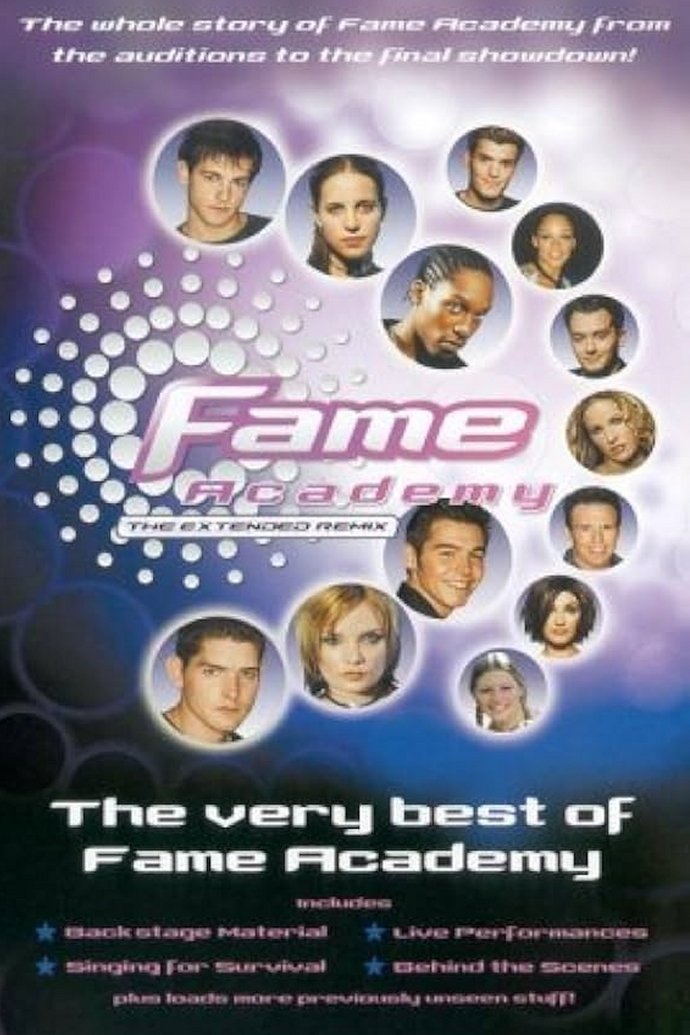
Fame Academy
Fame Academy was a televised competition to search for and educate new musical talents. The winner received a chance to become a successful music artist and part of the international franchise Star Academy known under various titles in various countries. In the UK version, the prize consisted of a £1m recording contract with a major record company, plus the use of a luxury apartment in London and a sports car for one year. It was broadcast by the BBC and co-produced by an Endemol company called 'Initial'. The first series was won by David Sneddon and the second and final series by Alex Parks. The show was so successful that the BBC decided to screen celebrity versions for Comic Relief. Starting 2003, Comic Relief Does Fame Academy saw celebrities singing as students of the Academy with proceeds from the phone votes being donated to the charity. This was far more successful than the original show, and many believe its success secured the second series of the main programme.
Insights
Plot Summary
Fame Academy was a reality television music competition series that sought to find the UK's next best musical talent. Aspiring singers lived together in a 'Fame Academy', receiving training from renowned vocal coaches and music industry professionals. Each week, contestants performed live shows, with viewers voting to keep their favorites in the competition, ultimately leading to one winner.
Critical Reception
The show garnered moderate attention during its run, primarily for its entertainment value and the drama that often unfolded within the academy. While it provided a platform for emerging artists, its critical reception was mixed, often compared to other talent shows of the era.
What Reviewers Say
Entertaining for fans of reality TV and music competitions.
Provided a platform for aspiring singers, though often overshadowed by manufactured drama.
A typical talent show format with familiar judging and voting dynamics.
Google audience: Audience reception was generally positive for its entertainment factor, with many enjoying the musical performances and the progression of the contestants. Some viewers found the eliminations and the overall format to be predictable, while others enjoyed the interactions among the contestants.
Fun Fact
The show was a precursor to many similar singing competition reality shows that followed, including 'The X Factor' and 'Britain's Got Talent', establishing a popular format for discovering musical talent through television.
AI-generated overview · Verify ratings on official sources