
Insights
Plot Summary
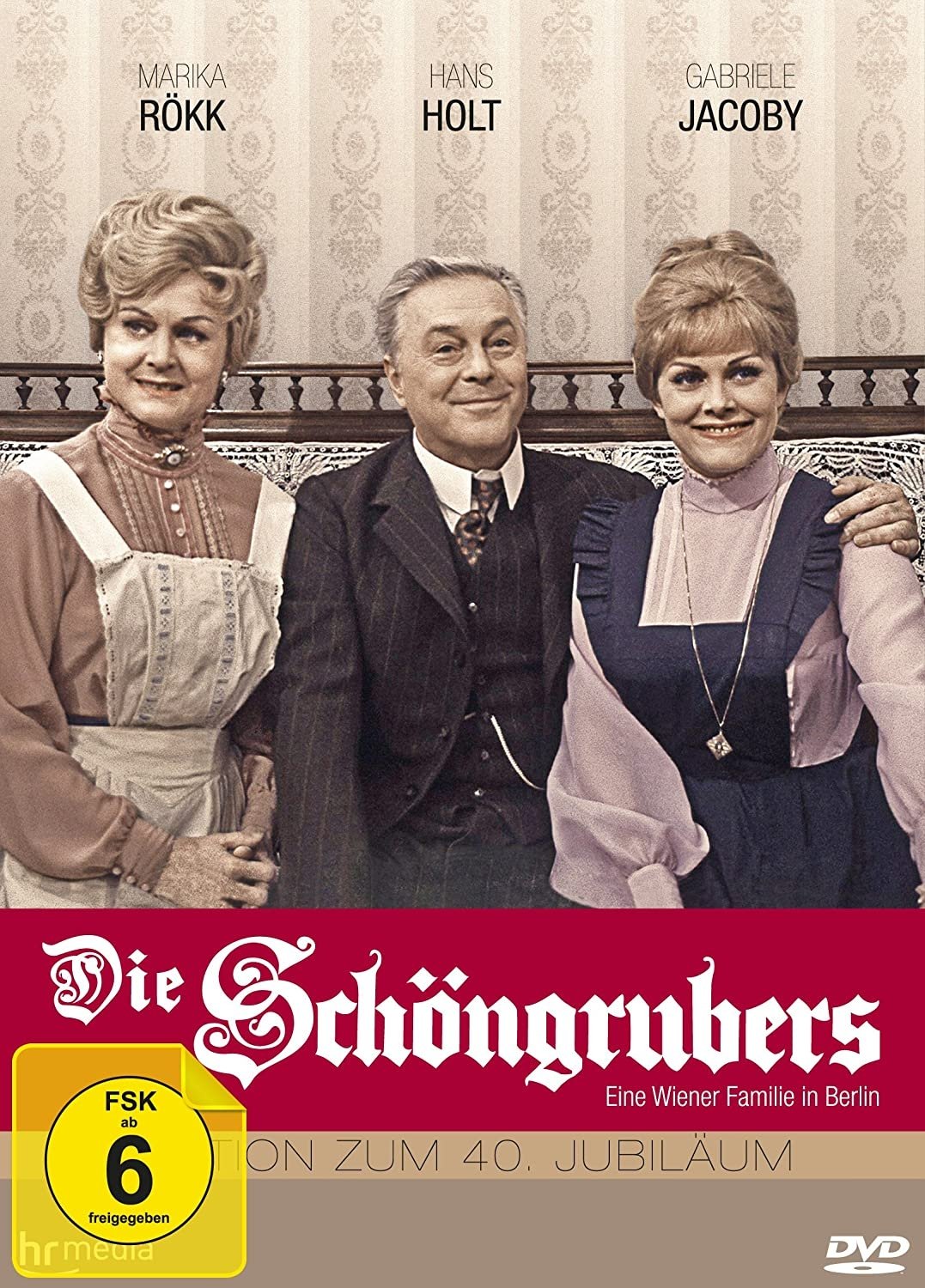
The film tells the story of the Schöngruber family, focusing on the matriarch Elisabeth and her complex relationships with her children and her past. Set against the backdrop of post-war Germany, it explores themes of family secrets, societal expectations, and the struggle for individual identity.
Critical Reception
Die Schöngrubers was a notable television production in West Germany during the early 1970s. It was praised for its strong performances, particularly by Brigitte Horney, and its sensitive portrayal of family dynamics and the lingering effects of historical events on individuals. While not a widely released theatrical film, it resonated with audiences for its dramatic depth and relatable characters.
What Reviewers Say
Praised for Brigitte Horney's compelling central performance.
Commended for its realistic depiction of post-war family struggles.
Noted for its thoughtful exploration of generational trauma and societal pressures.
Google audience: As a television film from the 1970s, specific Google user reviews are not readily available. However, based on its critical reception, audiences likely appreciated its dramatic storytelling and strong character development.
Fun Fact
Brigitte Horney, who played the matriarch Elisabeth Schöngruber, was a significant star in German cinema throughout the 1930s and 1940s before her career continued into television and later film roles.
AI-generated overview · Verify ratings on official sources