TV Show spotlight
Tumble Leaf
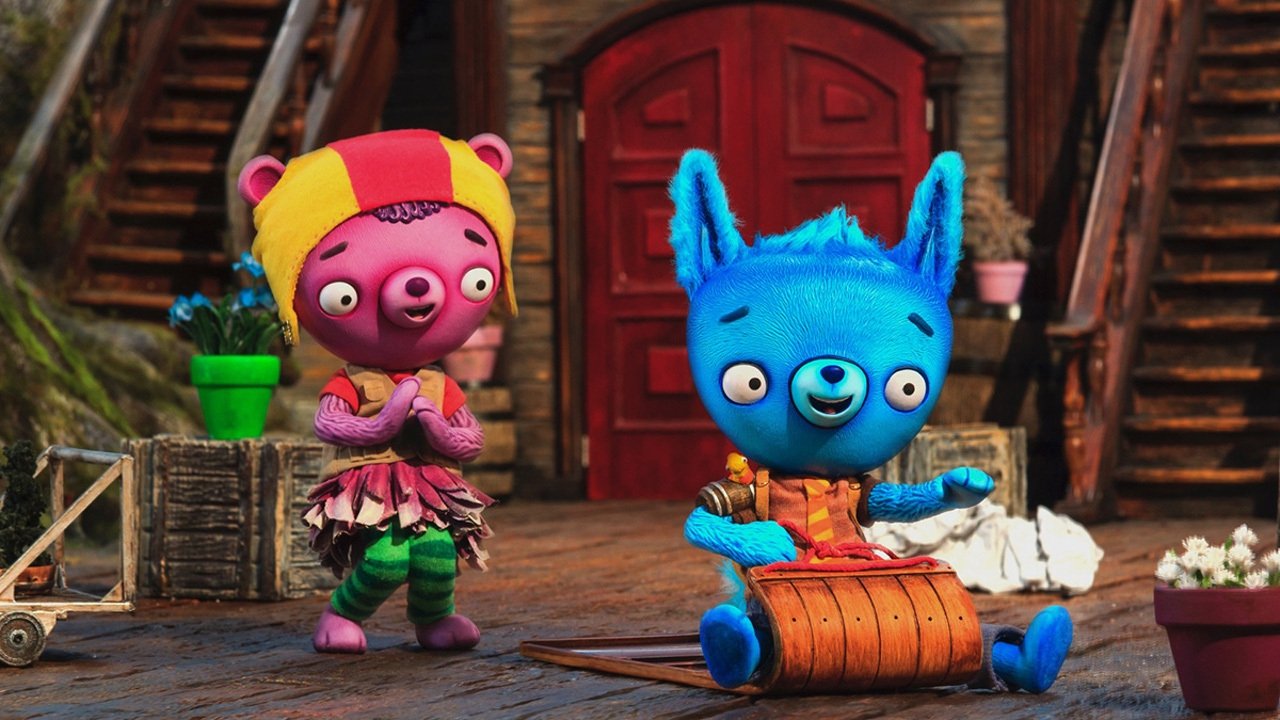
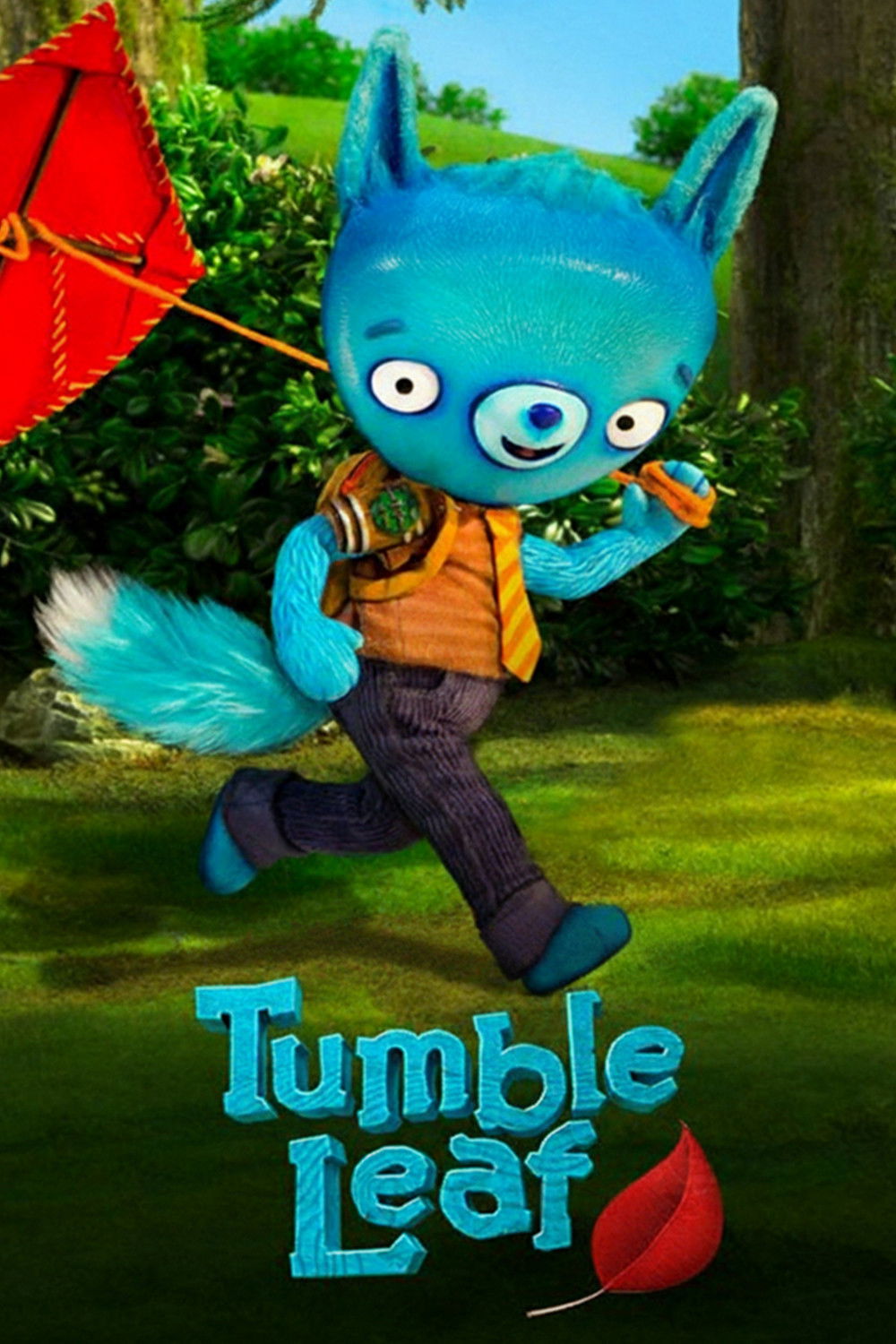
Set in a whimsical land and aimed at preschoolers, a small blue fox named Fig plays each day and discovers adventure, friendship and love around every bend in the path. Children will be enriched by these narratives that promote play, the fun of learning and understanding the world around them.
Insights
Plot Summary
Tumble Leaf is a stop-motion animated series that follows the adventures of Fig, a curious blue fox, and his best friend Stick, a cheerful caterpillar. Together, they explore a whimsical world, discovering new objects and learning about the physical properties of the world around them. Each episode encourages curiosity and problem-solving through playful experimentation and discovery.
Critical Reception
Tumble Leaf has been widely praised for its unique animation style, gentle pacing, and educational value for young children. Critics and parents alike appreciate its focus on exploration, friendship, and learning through play, making it a standout series for preschoolers.
What Reviewers Say
Praised for its innovative stop-motion animation and charming characters.
Commended for its gentle approach to teaching children about physics and problem-solving.
Appreciated for fostering a sense of wonder and curiosity in young viewers.
Google audience: Google users overwhelmingly love Tumble Leaf, highlighting its engaging animation, positive messages, and effectiveness in captivating young children while subtly educating them. Parents frequently mention their children's excitement for new episodes and the show's ability to spark curiosity.
Awards & Accolades
Nominated for multiple Daytime Emmy Awards, including Outstanding Directing in a Preschool Animated Program and Outstanding Sound Editing for a Preschool Animated Program.
Fun Fact
The distinctive stop-motion animation style of Tumble Leaf involves meticulously crafting each set and puppet, with animators often taking hours to move a character or object a mere inch for each frame of film.
AI-generated overview · Verify ratings on official sources