TV Show spotlight
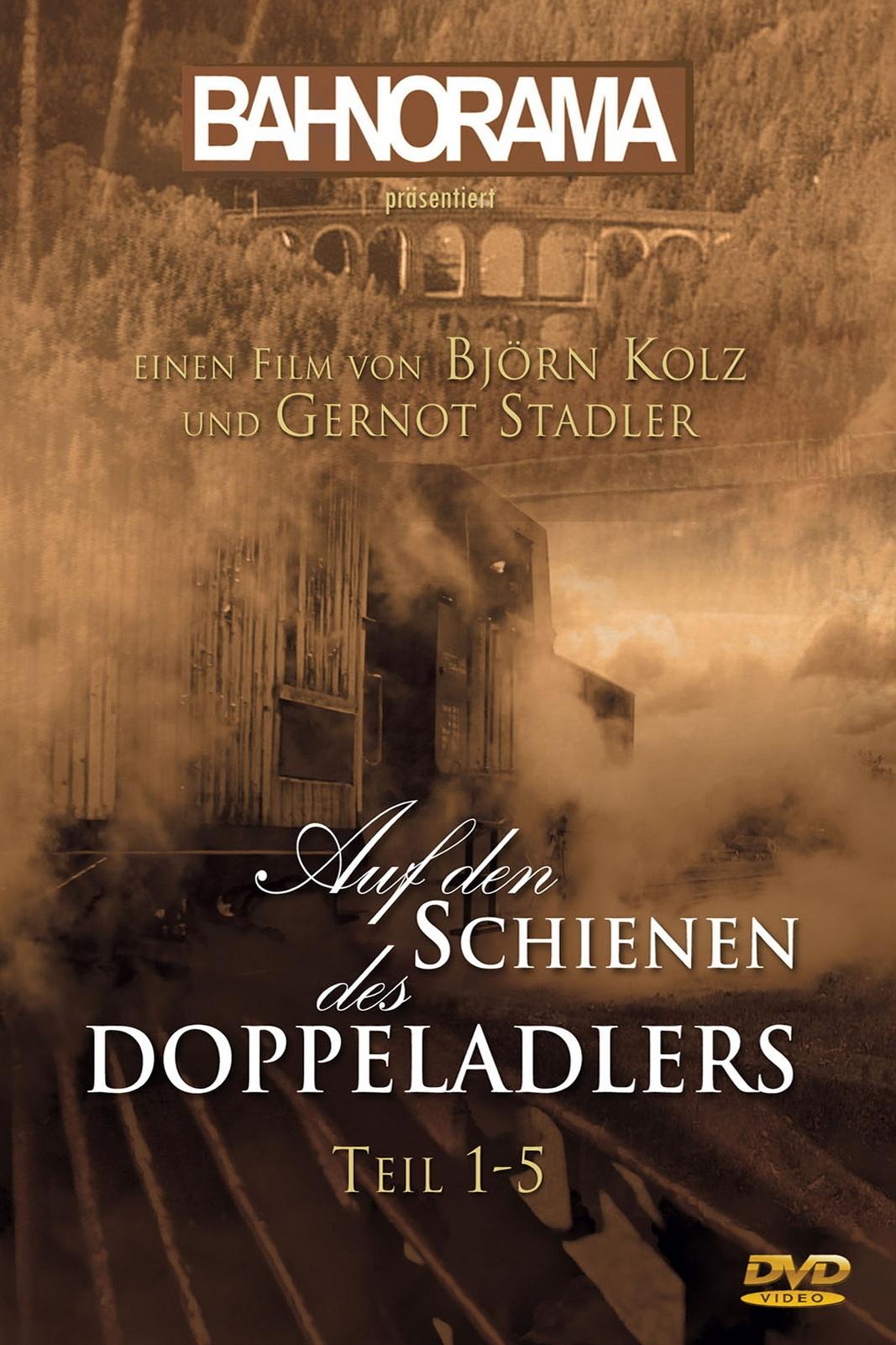
On the Rails of the Double Headed Eagle
The railway age in the Austrian Empire began with the construction of the horse-drawn railway from Linz to Budweis. Plans soon followed to connect the imperial capital of Vienna with the iron and coal deposits in northern Moravia and with the port city of Trieste. In 1837 the Kaiser Ferdinands Nordbahn was opened, in 1857 the Semmeringbahn planned by Karl Ritter von Ghega, overcoming one of the most difficult obstacles on the way to the Adriatic. The crossing of the Alps by train, such as over the Arlberg or the Brenner, is still considered a unique engineering masterpiece. The expansion of the railway network brought epochal changes. Goods and people circulated on an unprecedented scale – life accelerated. It had succeeded in connecting the northern crown lands such as Silesia or Bohemia and Moravia with Carinthia, Tyrol or the coastal region.
Insights
Plot Summary
This documentary explores the historical significance and routes of the Austro-Hungarian railway system, often referred to as the 'Double-Headed Eagle' due to the Habsburg monarchy's symbol. It journeys through picturesque landscapes and historic cities, showcasing the engineering marvels and cultural impact of these railways. The film delves into the past, connecting the routes to the empire's legacy and its eventual decline.
Critical Reception
The documentary received positive reviews for its educational value and evocative portrayal of the Austro-Hungarian railway heritage. Critics praised its blend of historical context, scenic cinematography, and insightful narration, noting its appeal to history buffs and travel enthusiasts alike. While not a blockbuster, it found a dedicated audience appreciative of its unique subject matter.
What Reviewers Say
Praised for its comprehensive historical overview of the Austro-Hungarian railway network.
Applauded for its stunning visuals and atmospheric journey through Central Europe.
Noted as an informative and engaging watch for those interested in transport history and the former Habsburg Empire.
Google audience: Information on Google user reviews is not readily available for this specific documentary.
Fun Fact
The documentary highlights how the Austro-Hungarian railway system was one of the most extensive and advanced in Europe during its peak, playing a crucial role in trade, military movements, and the integration of diverse ethnic regions within the empire.
AI-generated overview · Verify ratings on official sources