TV Show spotlight
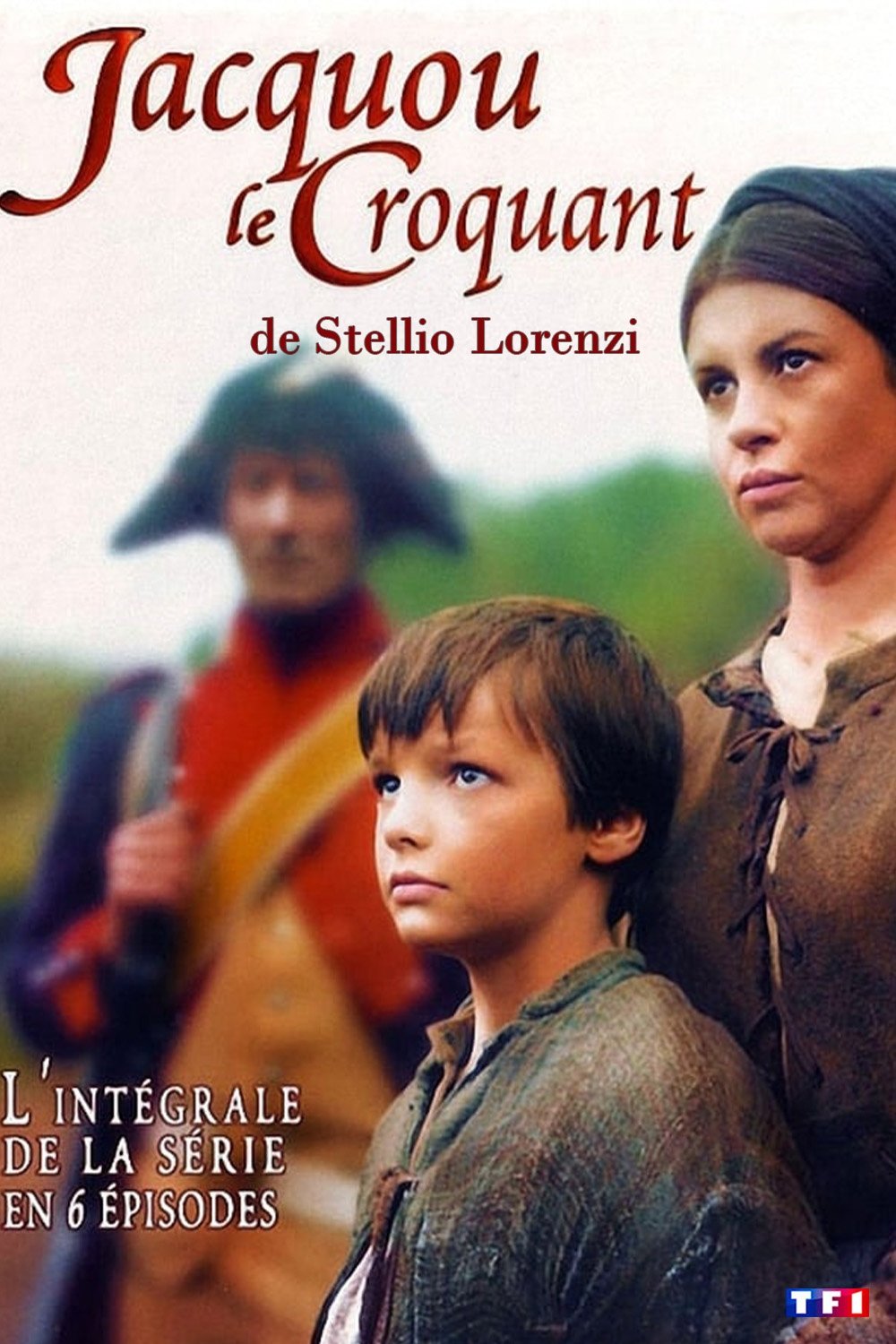
Jacquou le Croquant
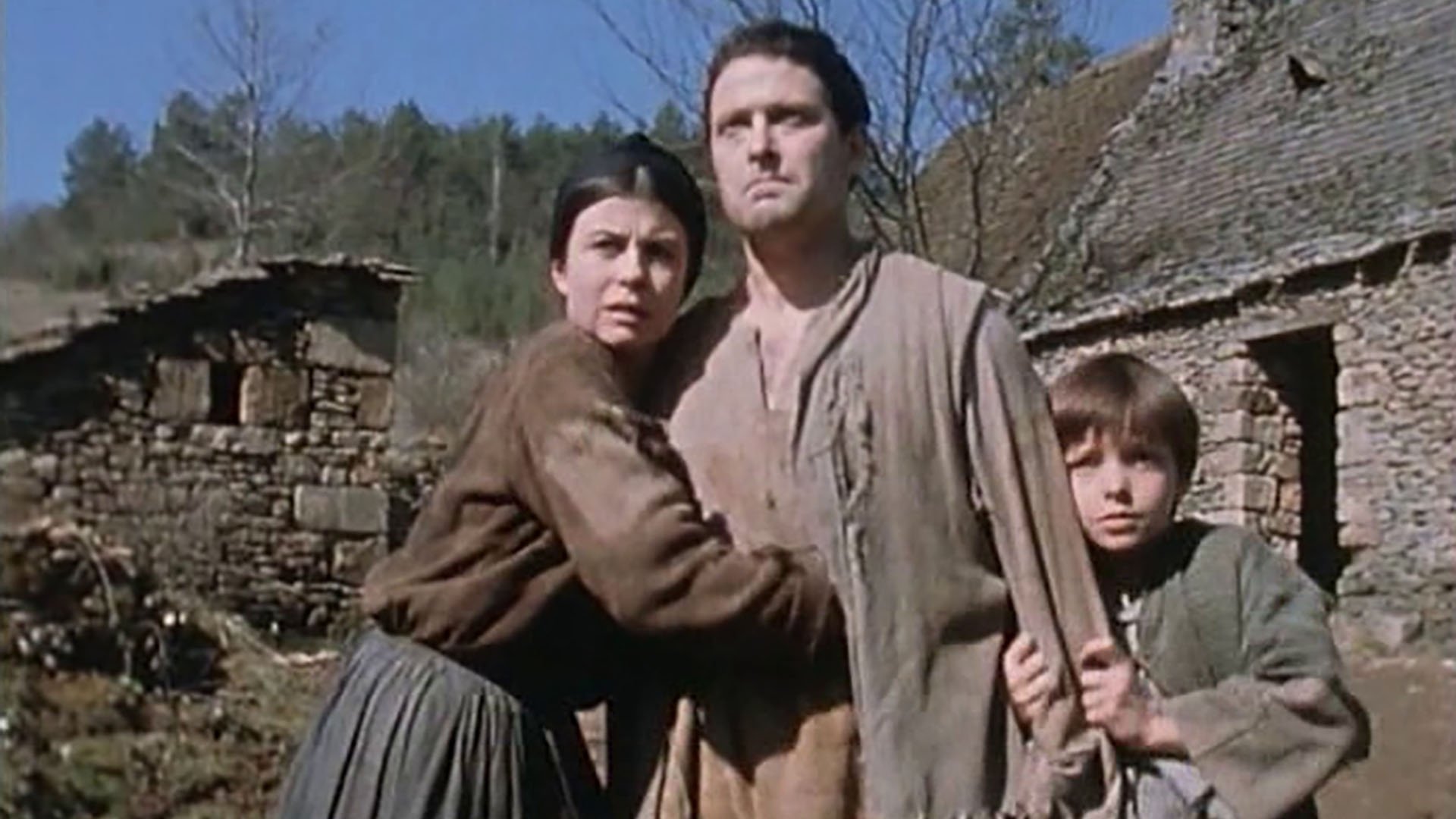
Adapted from the novel by Eugène Le Roy, this series tells the life of Jacquou Féral, a peasant who revolted against the Count of Nansac in Périgord in 1819.
Insights
Plot Summary
In 18th-century France, a young peasant boy named Jacquou witnesses the brutal injustice inflicted upon his family by the corrupt nobility. Orphaned and filled with a burning desire for revenge, Jacquou dedicates his life to fighting against oppression and inequality. His journey takes him through various social strata, as he seeks to dismantle the unjust system that has caused him so much suffering.
Critical Reception
Jacquou le Croquant (1969) was a significant television event in France, adapted from Eugène Le Roy's novel. It resonated with audiences for its powerful depiction of social injustice and the fight for freedom during a tumultuous period in French history. While specific critical reviews from its initial broadcast are scarce in English-language archives, its enduring legacy suggests it was well-received for its epic scope and thematic relevance.
What Reviewers Say
Praised for its faithful adaptation of the classic novel.
Applauded for its vivid portrayal of 18th-century French society and its social inequalities.
Seen as a powerful story of individual struggle against systemic oppression.
Google audience: Audience reception data for this specific 1969 television film is not readily available on Google. However, the source novel is highly regarded, suggesting a generally positive reception for its dramatic storytelling and historical themes.
Fun Fact
The 1969 adaptation was a highly ambitious undertaking for French television at the time, aiming to bring Eugène Le Roy's epic novel to a wide audience.
AI-generated overview · Verify ratings on official sources