
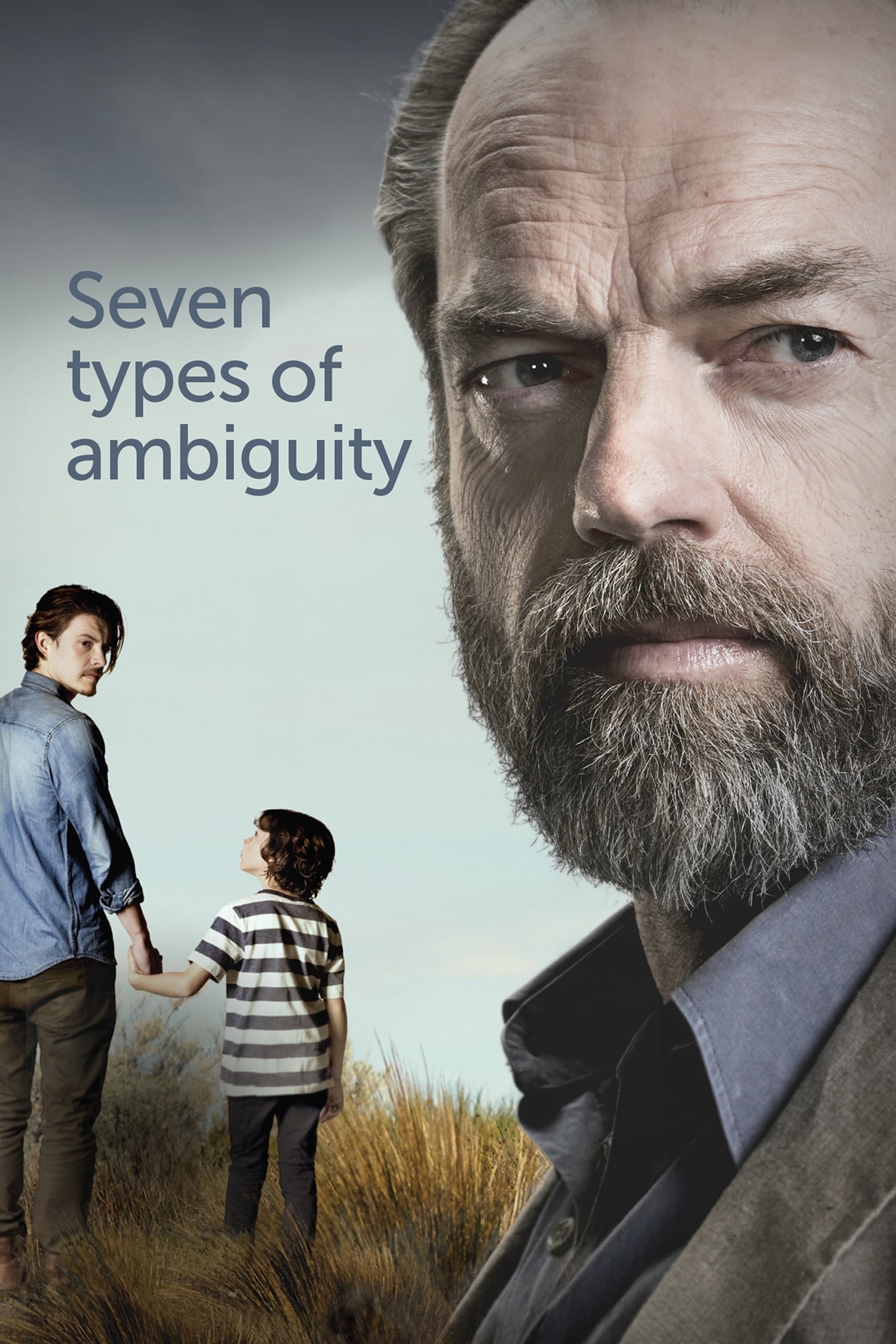



Seven Types of Ambiguity
The shifting perspective of six characters following a complicated chain of events triggered when a child is taken and relationships are thrown into crisis.
Insights
Plot Summary
This Australian miniseries delves into the aftermath of a child's disappearance, exploring the complex relationships and hidden secrets of those closest to him. As the investigation unfolds, the series masterfully portrays the psychological toll on the family and the community, questioning the nature of truth and perception. Each episode offers a different perspective on the events, unraveling layers of guilt, blame, and unspoken desires.
Critical Reception
Seven Types of Ambiguity received generally positive reviews, with critics praising its intricate storytelling, strong performances, and atmospheric tension. Some noted its slow-burn nature and complex narrative structure as challenging but ultimately rewarding. The series was recognized for its sophisticated exploration of human psychology and moral ambiguity.
What Reviewers Say
- Praised for its compelling performances, particularly from Hugo Weaving.
- Commended for its intricate, multi-perspective narrative structure.
- Noted for its intense psychological depth and exploration of guilt and grief.
Google audience: Audience reception information for Seven Types of Ambiguity on Google is not readily available.
Awards & Accolades
Nominated for multiple AACTA Awards (Australian Academy of Cinema and Television Arts Awards), including Best Miniseries and Best Lead Actor for Hugo Weaving.
Fun Fact
The series is based on the award-winning 2004 novel of the same name by Australian author Michael Mohammed Ahmad.
AI-generated overview · Verify ratings on official sources
My Review
TMDB Reviews
1 reviews