TV Show spotlight
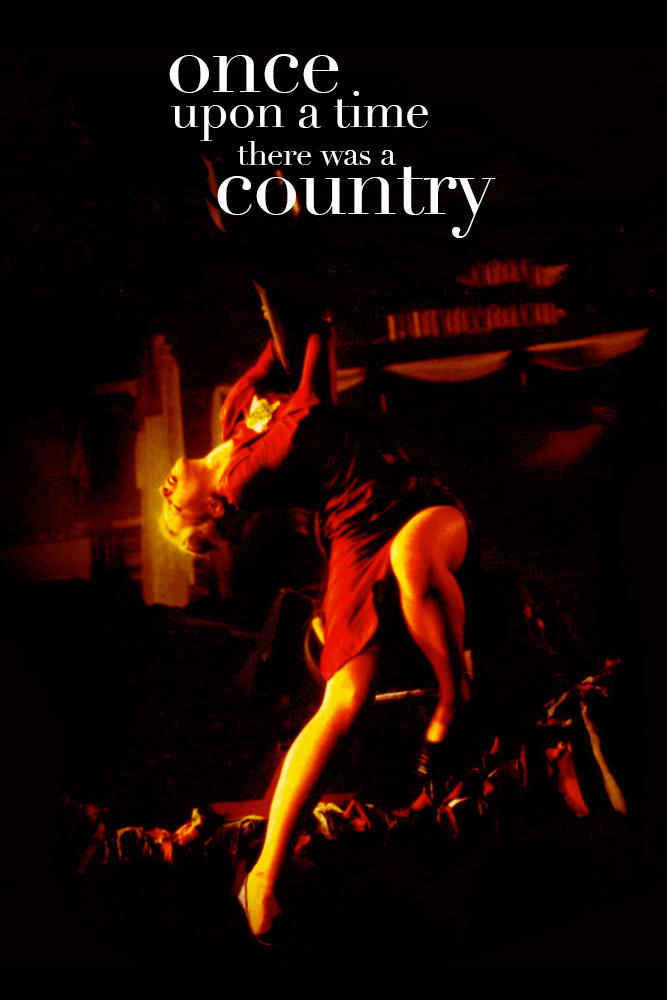
Once Upon a Time There Was a Country
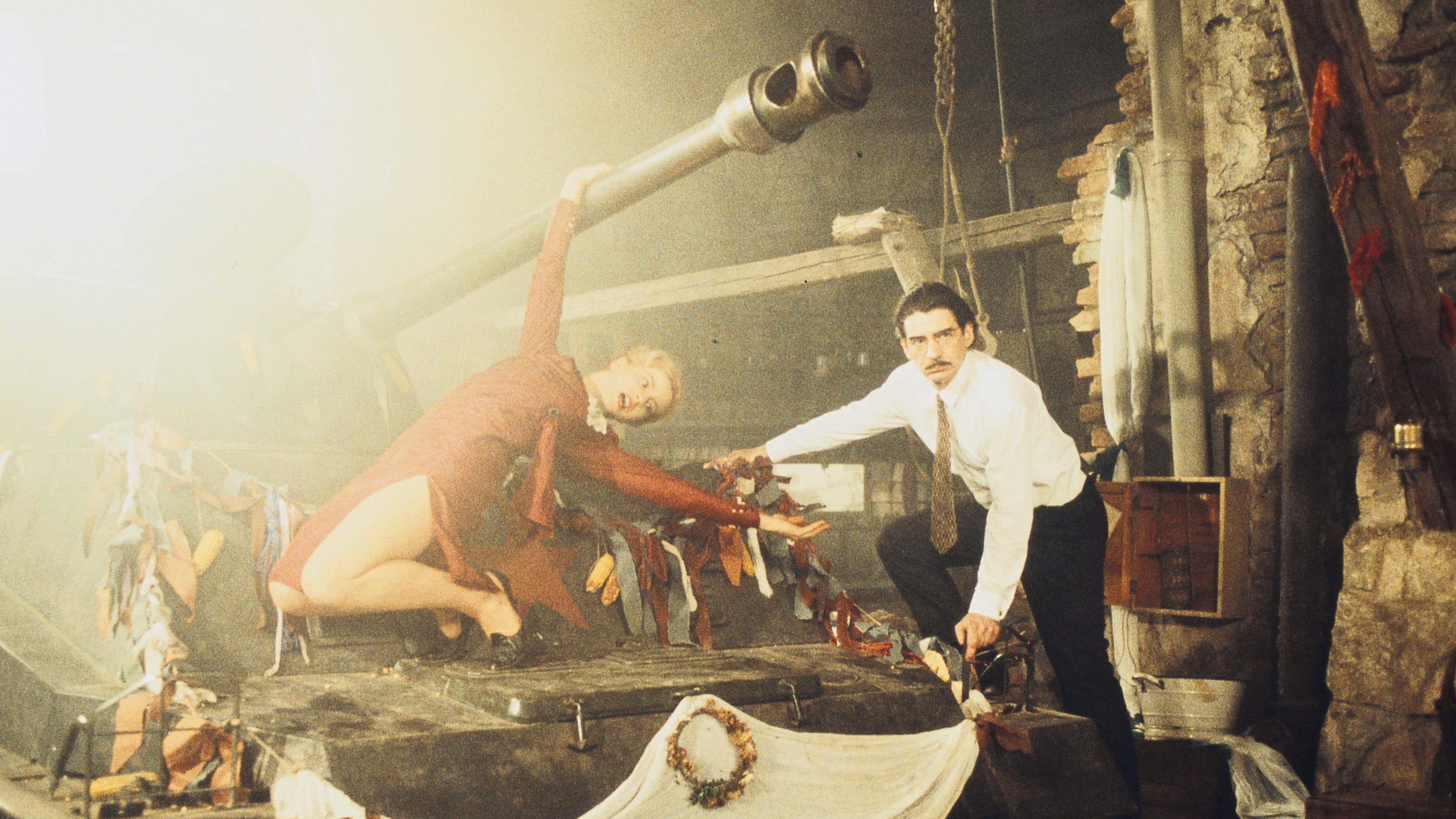
Black marketeers Marko and Blacky manufacture and sell weapons to the Communist resistance in WWII Belgrade, living the good life along the way. Marko's surreal duplicity propels him up the ranks of the Communist Party, and he eventually abandons Blacky and steals his girlfriend. After a lengthy stay in a below-ground shelter, the couple reemerges during the Yugoslavian Civil War of the 1990s as Marko sees the opportunity to exploit the situation. An extended television version of Emir Kusturica's Palme d'Or winning Underground.
Insights
Plot Summary
Set during World War II in Yugoslavia, the film follows a group of individuals caught in the crossfire of war and ideological conflict. As the country is torn apart, loyalties are tested and lives are irrevocably changed by the brutal realities of occupation and partisan warfare. The narrative explores themes of survival, betrayal, and the human cost of political upheaval.
Critical Reception
Once Upon a Time There Was a Country received generally positive reviews, particularly for its powerful portrayal of the Yugoslavian civil war and its impact on ordinary people. Critics praised its performances and its unflinching look at the moral complexities of wartime. While not widely released internationally, it is considered a significant film within Serbian cinema.
What Reviewers Say
Praised for its strong acting and emotional depth.
Commended for its realistic depiction of war's impact on civilians.
Noted for its exploration of complex moral choices during conflict.
Google audience: Audience reception information for this film is not readily available on Google's platform.
Fun Fact
The film was produced during a turbulent period in the history of Yugoslavia, and its themes of division and conflict resonated deeply with audiences at the time.
AI-generated overview · Verify ratings on official sources