
elev8
One of the very greatest from the era of great sitcoms. Throws into sharp relief what an abject embarrassment today's BBC has become.
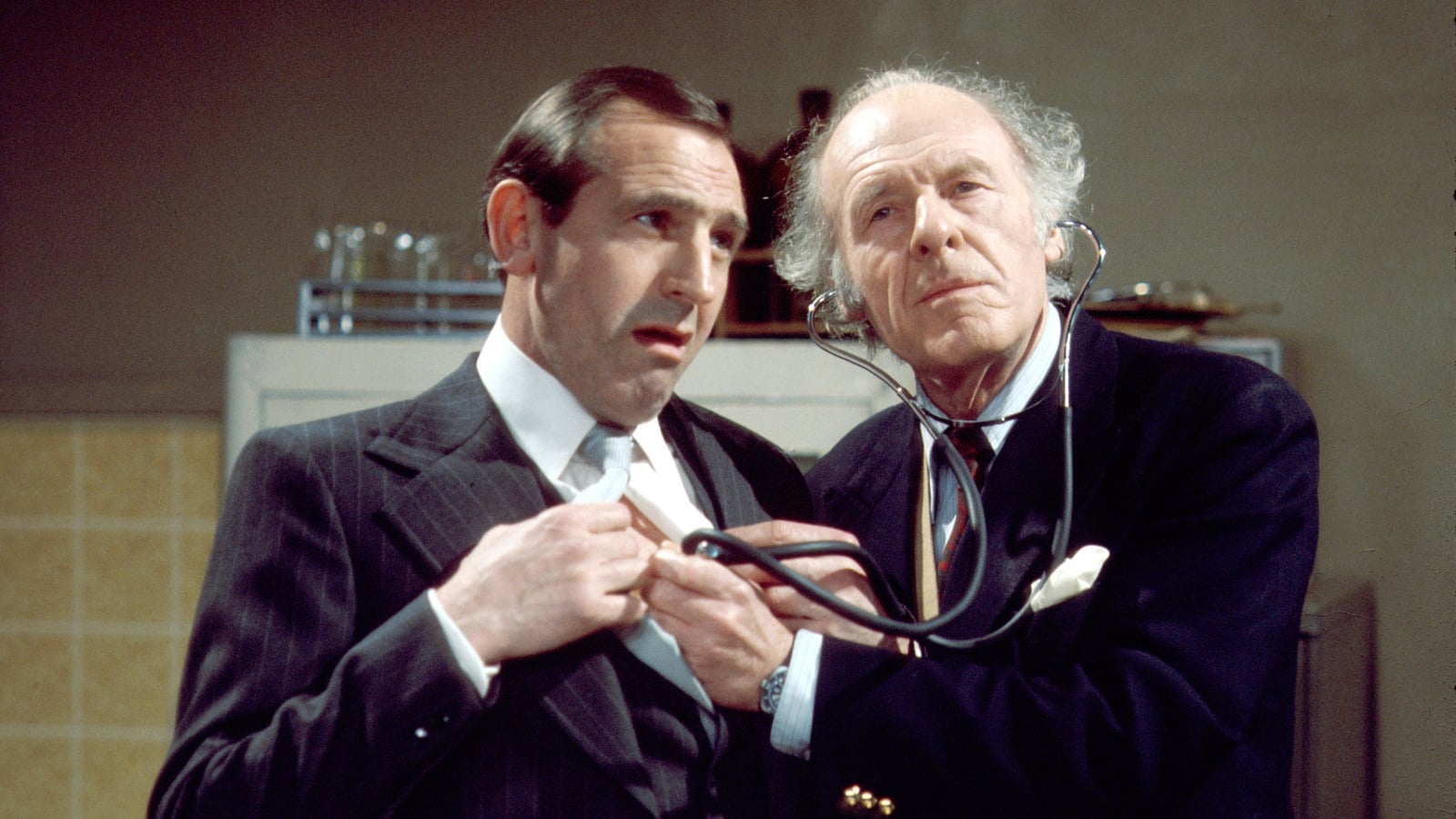
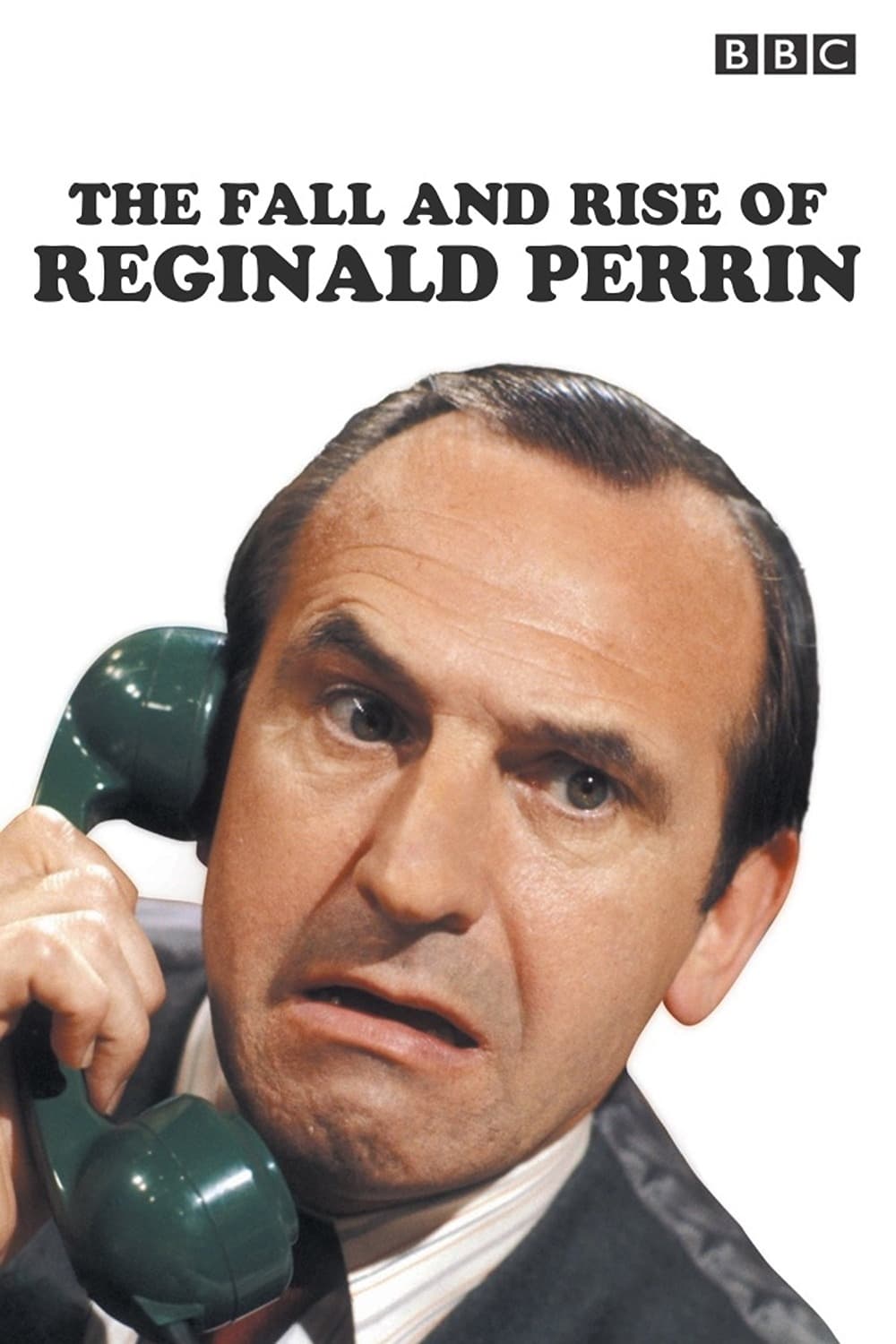
TV Show spotlight
Disillusioned after a long career at Sunshine Desserts, Reginald Iolanthe Perrin endures a midlife crisis and fakes his own death. Returning in disguise after various attempts at finding a 'new life', Perrin gets his old job back and finds nothing has changed. He is eventually found out, and later finds success with a chain of junk shops. However, it becomes so successful that he feels he has created a monster and decides to destroy it.
Reginald Perrin, a middle-aged executive at GJ Savings and Investments, finds his life utterly mundane and unfulfilling. Plagued by existential dread and a stiflingly predictable routine, he decides to fake his own suicide. His dramatic departure from his conventional life leads to a series of bizarre and often hilarious attempts to escape the corporate grind and find meaning, much to the bewilderment of his wife, colleagues, and the world at large.
The original broadcast of 'The Fall and Rise of Reginald Perrin' in the late 1970s was met with widespread critical acclaim and immense popularity, becoming a defining sitcom of its era. Its sharp satire on British middle-class life and the absurdities of corporate culture resonated deeply with audiences. The 1996 revival, while having a different cast and slightly altered premise, also garnered positive reviews for its continuation of the series' signature dark humor and social commentary, though it is often viewed as a successor rather than a direct continuation of the original's impact.
Praised for its biting satire of corporate life and suburban ennui.
Leonard Rossiter's performance as the increasingly unhinged Reginald was a critical highlight.
The show's dark humor and surreal situations provided a unique comedic voice.
Google audience: Audience reviews often highlight the show's relatable portrayal of mid-life crisis and its clever, often bleak, humor. Many appreciate the sharp writing and the ability of the series to balance comedic absurdity with genuine emotional depth.
None notable for the 1996 version; the original series was highly influential and popular.
The distinctive "What I really, really want is to be on the other side of forty" catchphrase, often associated with the show, was actually a line from Reginald's first suicide note attempt in the original 1970s series.
AI-generated overview · Verify ratings on official sources
One of the very greatest from the era of great sitcoms. Throws into sharp relief what an abject embarrassment today's BBC has become.