
TV Show spotlight
Vida
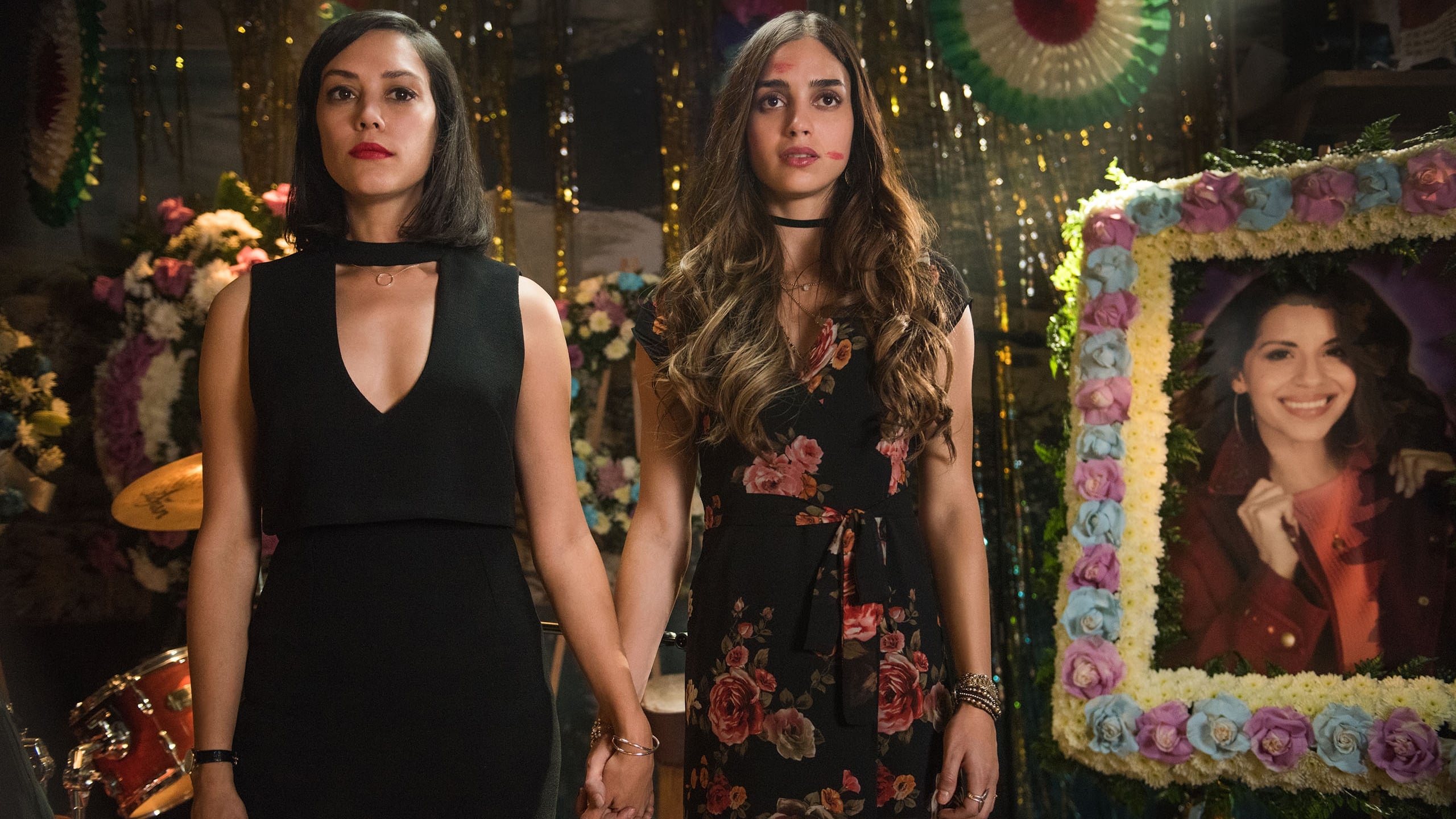
Two Mexican-American sisters from the Eastside of Los Angeles who couldn't be more different or distanced from each other are forced to return to their old neighborhood, where they are confronted by the past and surprising truth about their mother’s identity.
Insights
Plot Summary
Vida is a Spanish-language drama series that follows two estranged Mexican-American sisters, Lyn and Emma, who are forced to return to their East Los Angeles neighborhood after the death of their mother. They discover their mother was a lesbian and that she owned a bar, leading them to confront their past, their identity, and their complicated relationship with their community. The series explores themes of gentrification, queer identity, and familial bonds.
Critical Reception
Vida received widespread critical acclaim for its authentic portrayal of the Latinx community, its exploration of complex characters, and its bold storytelling. Critics lauded its nuanced handling of themes like gentrification, queer identity, and sisterhood, as well as its distinctive visual style and bilingual dialogue. The show was celebrated for its representation and for offering a fresh perspective on the immigrant experience and LGBTQ+ lives.
What Reviewers Say
Praised for its authentic and nuanced representation of the Latinx community and queer identities.
Acclaimed for its compelling character development and exploration of gentrification's impact on neighborhoods.
Celebrated for its bold storytelling, bilingual dialogue, and unique visual aesthetic.
Google audience: Google users largely applauded Vida for its authentic storytelling and its focus on underrepresented communities. Many highlighted the show's exploration of complex family dynamics and LGBTQ+ themes as particularly strong points, with viewers appreciating the cultural specificity and emotional depth.
Awards & Accolades
Nominated for GLAAD Media Awards for Outstanding Drama Series, and won multiple Imagen Foundation Awards.
Fun Fact
The series was praised for its groundbreaking use of Spanish and English, often switching between the two within a single scene to reflect the natural Spanglish spoken by many in the community it depicted.
AI-generated overview · Verify ratings on official sources