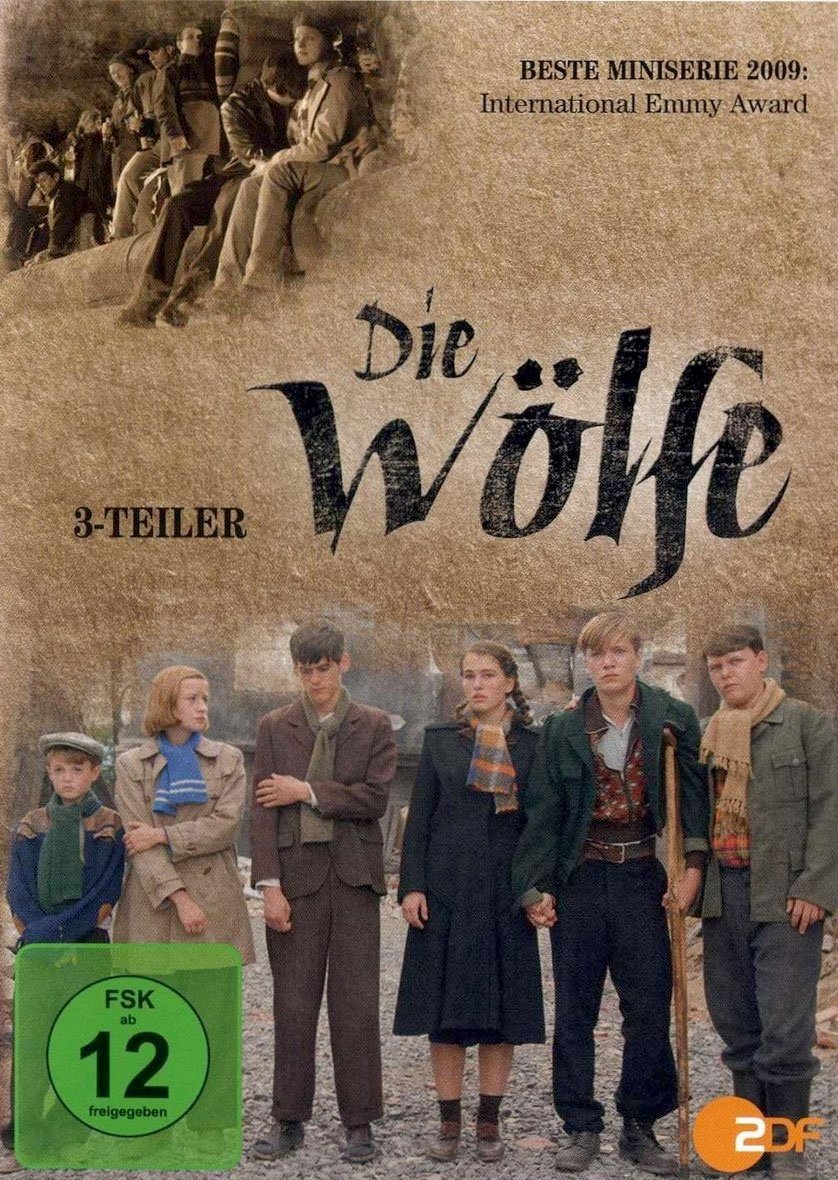

Die Wölfe
The story of a group of Berlin youths from the post-war period to the post-reunification era. A gripping story of friendship, love and betrayal against a global political backdrop, told in a three-part documentary drama. Friends Kurt, Lotte, Jakob, Silke and Bernd experience everyday life together in post-war Berlin in 1948: between rubble women and the black market, rival youth gangs and first love. Thirteen years later, as the flow of refugees to the West increases, they try to hold on to their friendship. But the estrangement becomes ever more apparent and the gang members lose sight of each other. Only after the fall of the Berlin Wall in 1989 do the former friends finally find each other again and have to ask themselves whether they are still bound by the vow they once made: "Nothing can separate us, not even death"...
Insights
Plot Summary
Set in the East German province of Mecklenburg in 1961, the film follows the story of a family struggling to survive under the oppressive regime. As tensions rise and the Berlin Wall is about to be erected, the family must make difficult choices to protect their freedom and their future. The narrative explores themes of loyalty, sacrifice, and the search for identity in a rapidly changing world.
Critical Reception
Die Wölfe received positive reviews for its sensitive portrayal of a difficult historical period and its strong performances. Critics praised its ability to capture the atmosphere of fear and uncertainty prevalent in East Germany during the Cold War, while also highlighting the emotional depth of the characters' struggles.
What Reviewers Say
- A compelling drama that effectively depicts the personal impact of political division.
- Features strong acting that brings the historical context to life.
- Explores themes of family and resilience amidst oppression.
Google audience: Information not available.
Awards & Accolades
Nominated for the Golden Bear at the Berlin International Film Festival.
Fun Fact
The film's setting in Mecklenburg was chosen to reflect the specific rural and coastal experiences of East Germans during the period, distinct from the more commonly depicted urban settings.
AI-generated overview · Verify ratings on official sources