
TV Show spotlight
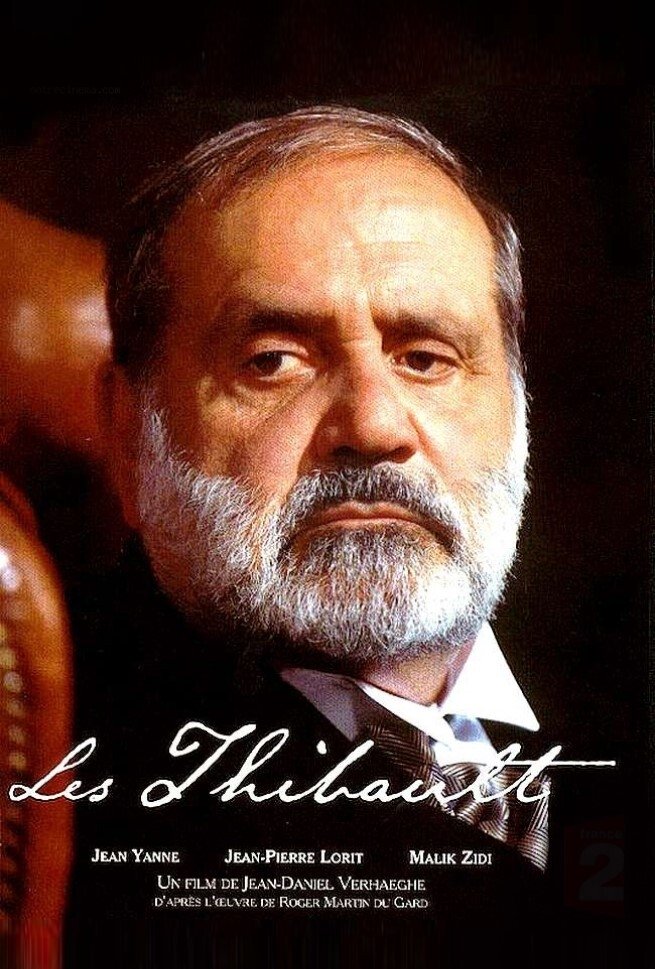
Les Thibault
Between 1905 and 1918, the opposing destinies of two brothers from a large Catholic bourgeois family.
Insights
Plot Summary
This French television film adaptation chronicles the lives of the aristocratic Thibault family and their intertwined relationships against the backdrop of pre-World War I France. It delves into the intellectual and emotional journeys of its characters, particularly the brothers Antoine and Jacques, exploring themes of love, duty, political unrest, and the dawning of a new, tumultuous era. The narrative weaves a complex tapestry of personal dramas within the grand sweep of historical change.
Critical Reception
Les Thibault was generally well-received by critics and audiences in France, praised for its ambitious scope, faithful adaptation of Roger Martin du Gard's novel, and strong performances. It was noted for its detailed period setting and its ability to translate the complex literary work into a compelling visual narrative.
What Reviewers Say
Praised for its faithful adaptation of a literary classic.
Commended for its strong cast and period detail.
Noted for its ambitious exploration of family dynamics and historical events.
Google audience: Information regarding specific Google user reviews for 'Les Thibault (2003)' is not readily available.
Awards & Accolades
Nominated for Best Actor at the 2004 César Awards for Guillaume Canet.
Fun Fact
The 2003 miniseries is an adaptation of Roger Martin du Gard's seven-volume novel sequence 'Les Thibault', which won the Nobel Prize in Literature in 1937.
AI-generated overview · Verify ratings on official sources