TV Show spotlight
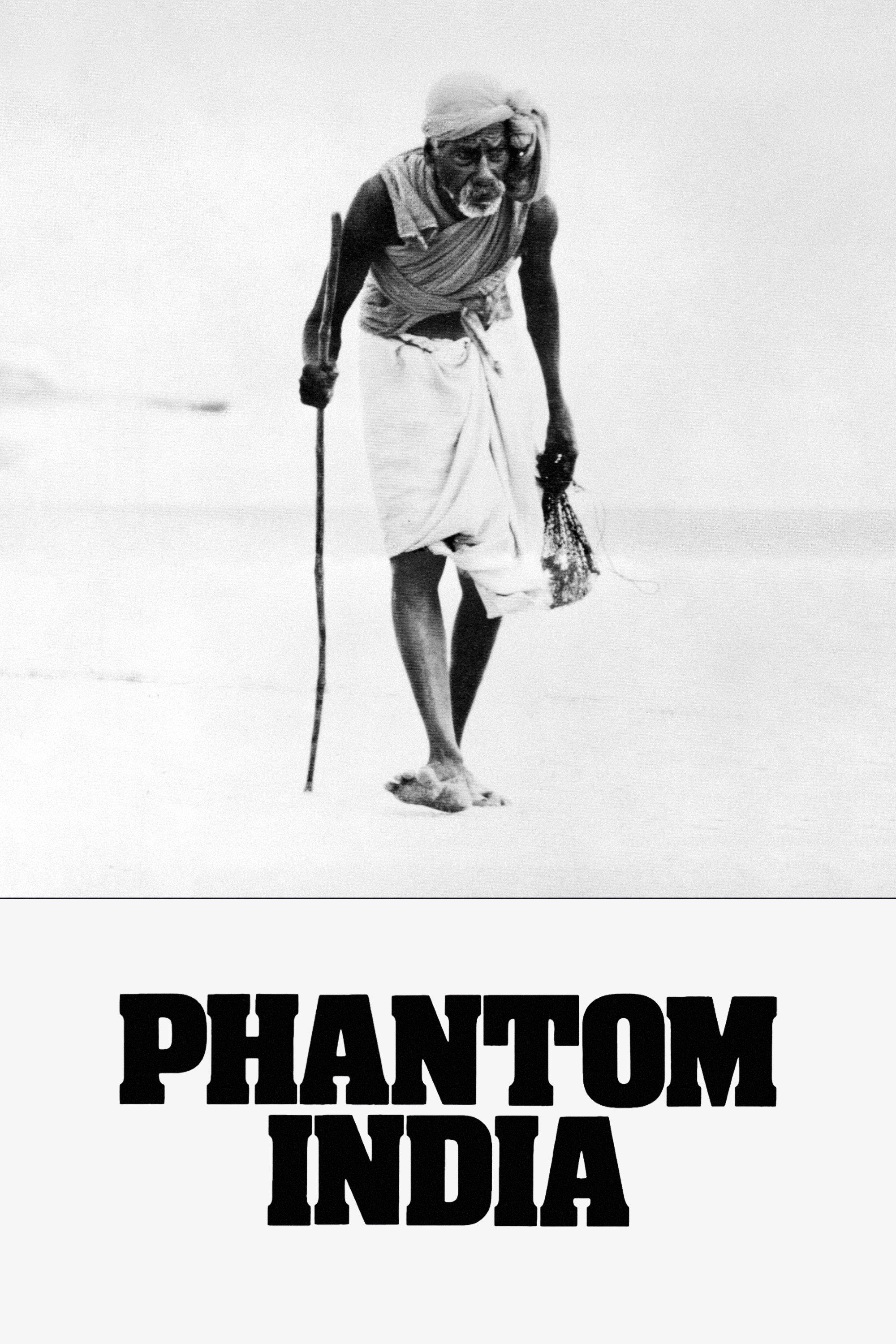
Phantom India
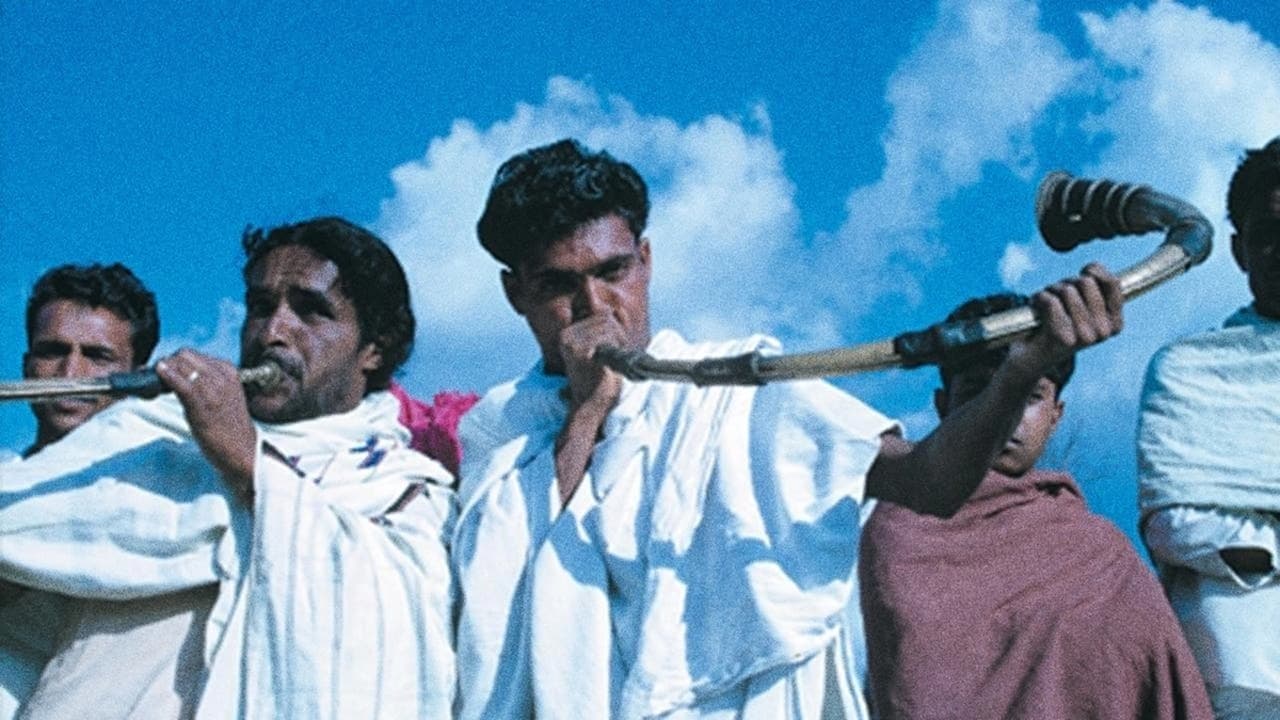
Louis Malle called his gorgeous and groundbreaking Phantom India the most personal film of his career. And this extraordinary journey to India, originally shown as a miniseries on European television, is infused with his sense of discovery, as well as occasional outrage, intrigue, and joy.
Insights
Plot Summary
A landmark documentary series that captures the sights, sounds, and social realities of India in the late 1960s. Louis Malle's intimate and observational approach takes viewers on a journey through diverse landscapes and human experiences, from bustling cities to remote villages. The series explores religious ceremonies, daily life, and the complex societal structures of the subcontinent. It offers a deeply personal and often challenging look at a nation in transition.
Critical Reception
Phantom India was groundbreaking for its time, offering an unflinching and often controversial portrayal of India that challenged Western perceptions. While some found Malle's perspective to be overly subjective or even exoticizing, it is widely praised for its visual artistry, its deep engagement with its subject matter, and its raw, unvarnished depiction of Indian life. It remains a significant work in documentary cinema, celebrated for its boldness and humanistic approach.
What Reviewers Say
Praised for its stunning cinematography and ambitious scope.
Noted for Malle's daring and often intimate observational style.
Criticized by some for a subjective or outsider's perspective on Indian culture.
Google audience: Information regarding specific Google user reviews for this documentary series is not readily available.
Fun Fact
Louis Malle reportedly spent over a year traveling across India to film Phantom India, often working with a small crew and sometimes even filming in secret due to local restrictions.
AI-generated overview · Verify ratings on official sources