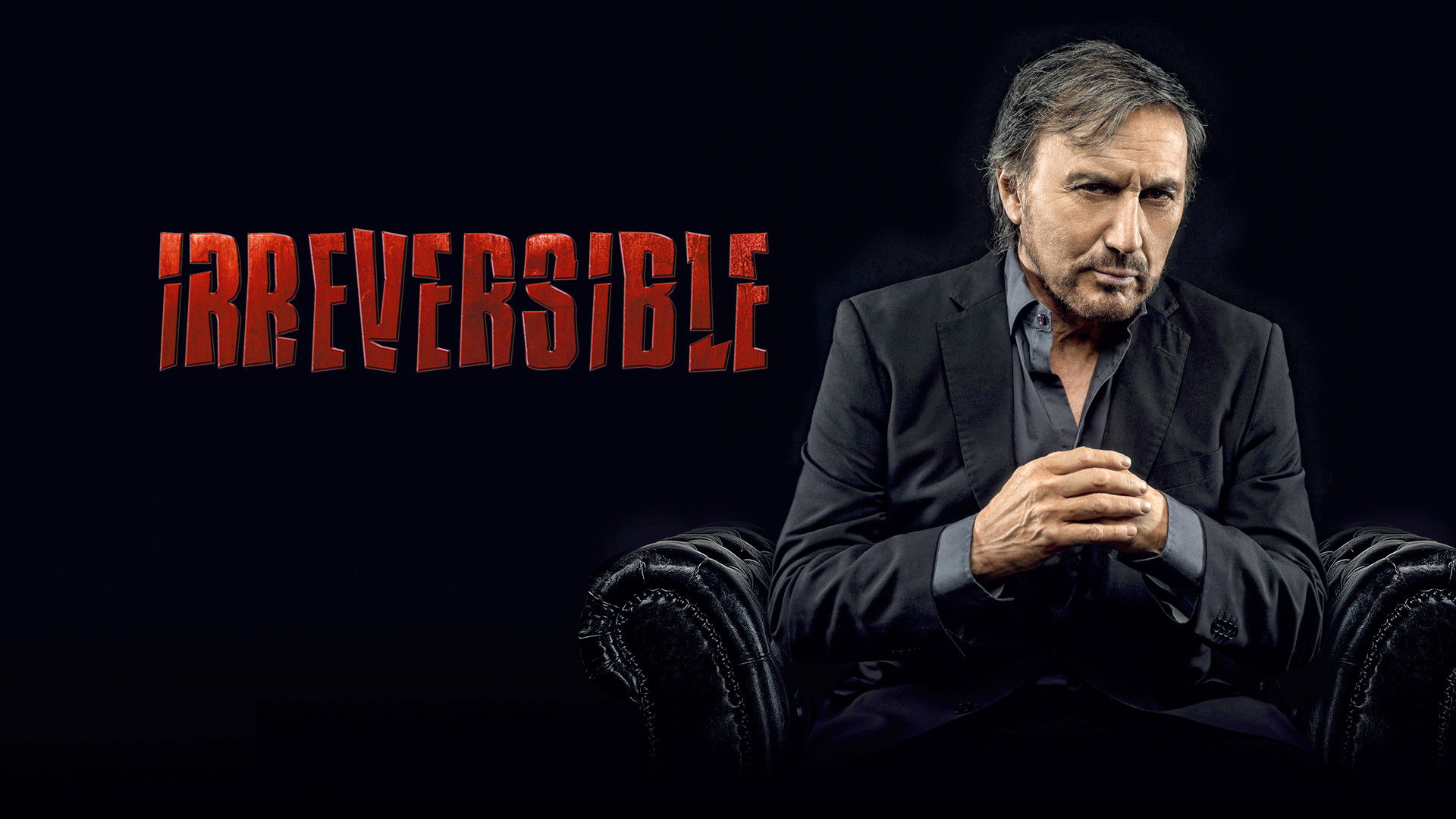
Irreversible
Daily stories of real crimes from Chile and Latin America.
Insights
Plot Summary
The film chronicles a violent revenge mission undertaken by a brother and his friend after the brutal assault of the brother's girlfriend. Told in reverse chronological order, the narrative unfolds a harrowing tale of love, loss, and extreme violence. It explores the destructive consequences of impulsive acts and the dark depths of human brutality.
Critical Reception
Gaspar Noé's 'Irreversible' is a highly divisive and notoriously brutal film that garnered significant attention and controversy upon its release. Critics were sharply divided, with many condemning its extreme violence and disturbing subject matter, while others praised its audacious filmmaking, visceral impact, and unique narrative structure. Audiences reactions were similarly polarized, with many finding it unwatchable due to its graphic content, while a segment acknowledged its artistic merit and powerful emotional resonance.
What Reviewers Say
- Viscerally shocking and unflinching in its depiction of violence.
- The reverse-chronological structure is a bold narrative choice that amplifies the film's emotional impact.
- Provocative and disturbing, it demands a strong stomach from its viewers.
Google audience: Viewers found 'Irreversible' to be an extremely difficult and disturbing watch due to its graphic content and unsettling themes. While some acknowledged its artistic ambition and powerful, albeit bleak, message, many were repulsed by the extreme violence and lack of redemption. The film's experimental narrative structure was noted, but often overshadowed by the sheer brutality of the events depicted.
Awards & Accolades
Nominated for the Palme d'Or at the 2002 Cannes Film Festival.
Fun Fact
The entire film was shot with a Steadicam, with Gaspar Noé often operating the camera himself, contributing to the film's disorienting and immersive, yet nauseating, visual style.
AI-generated overview · Verify ratings on official sources