TV Show spotlight
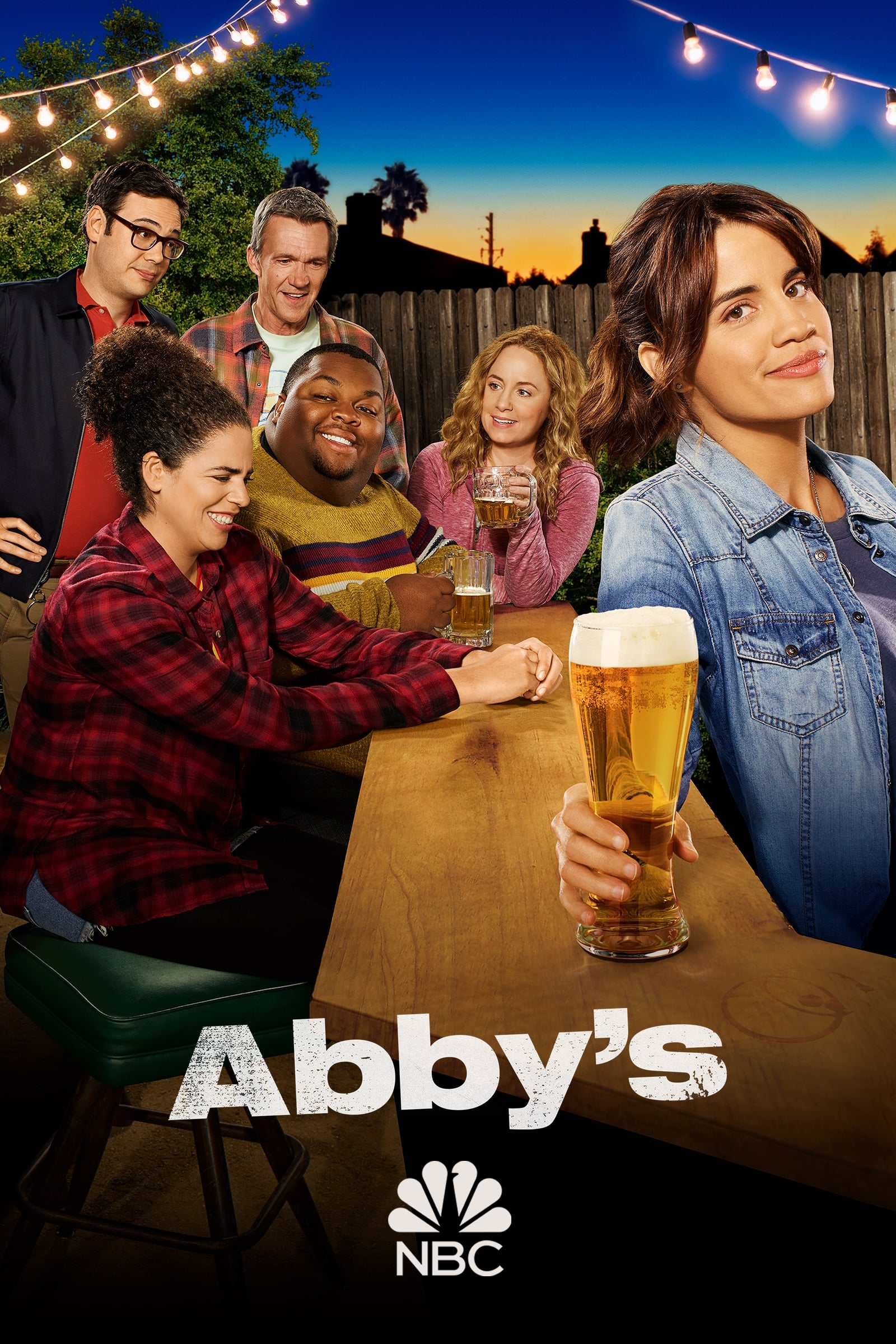
Abby's
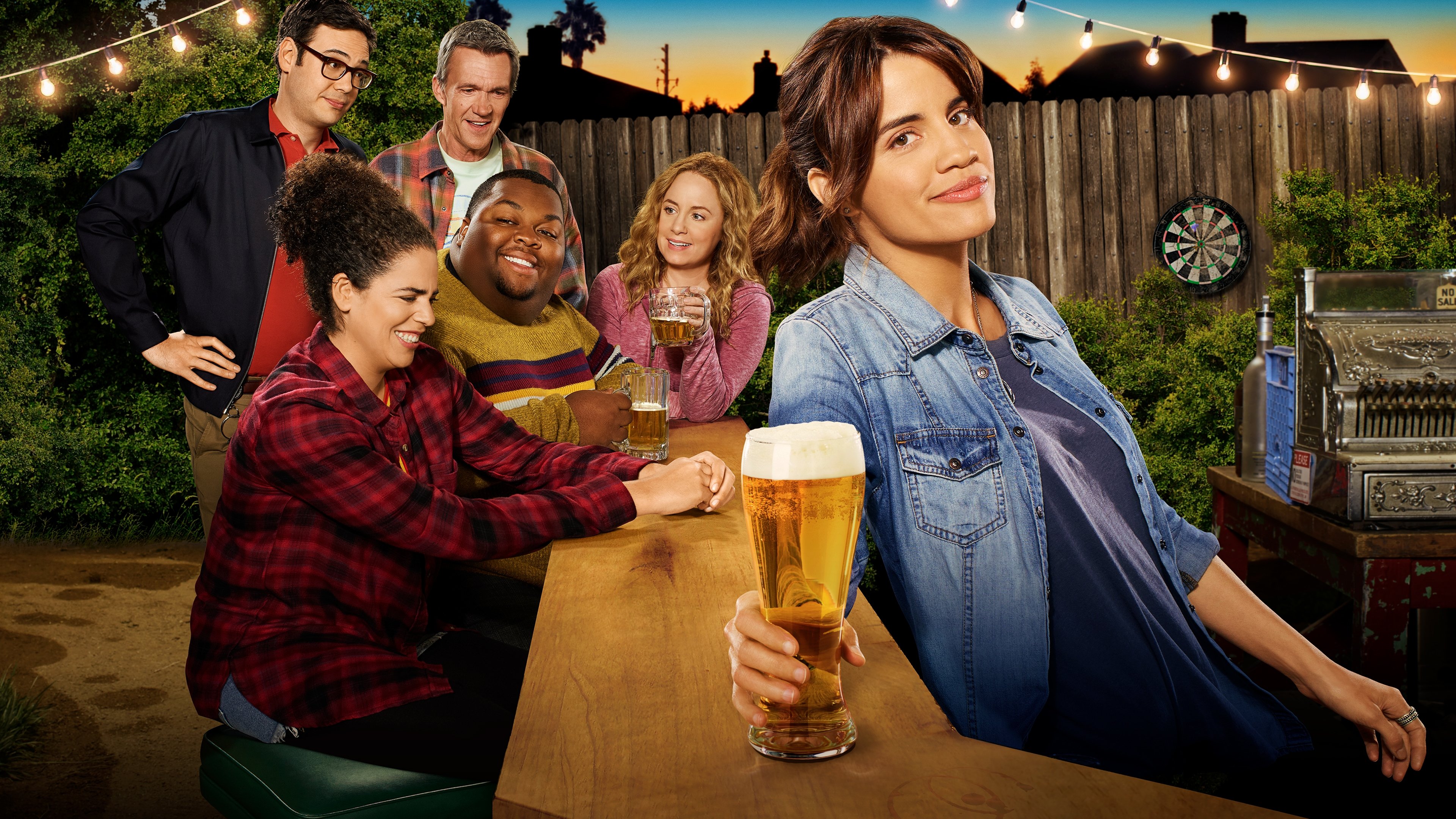
The best bar in San Diego is an unlicensed, makeshift bar nestled in Abby's backyard. There are rules at Abby's: no cell phones, not even to "look something up," earning a seat at the bar takes time, and losing a challenge means drinking a limey, sugary "not-beer" drink.
Insights
Plot Summary
Abby's is a sitcom centered around Abby, the owner of a unique bar in San Diego. This bar is special because it's a place where everyone knows each other and plays games together. Abby enforces a strict 'no phone' rule, encouraging face-to-face interaction and fostering a strong sense of community among her patrons. The series follows the quirky relationships and comedic situations that arise from this close-knit group.
Critical Reception
Abby's received mixed to positive reviews during its short run. Critics often praised its charming premise and the performances of its cast, particularly Natalie Morales as Abby and Neil Flynn as the gruff but lovable landlord. However, some found the humor to be a bit too niche or repetitive, and the show struggled to find a broad audience, leading to its cancellation after one season.
What Reviewers Say
Praised for its ensemble cast and heartwarming premise focused on real-life connection.
Noted for its unique 'no phones' rule as a refreshing take on modern social interaction.
Criticized by some for its predictable comedic beats and a lack of broader appeal.
Google audience: Google users generally found 'Abby's' to be a likable and charming show with a strong cast. Many appreciated the show's positive message about disconnecting from technology and connecting with people in person. Some viewers felt the humor was hit-or-miss, but the overall sentiment was positive, with many enjoying the characters and the cozy atmosphere of the bar.
Fun Fact
The bar set for 'Abby's' was designed to feel like a real, lived-in space, with many props and decorations reportedly sourced from thrift stores to give it an authentic, eclectic vibe.
AI-generated overview · Verify ratings on official sources