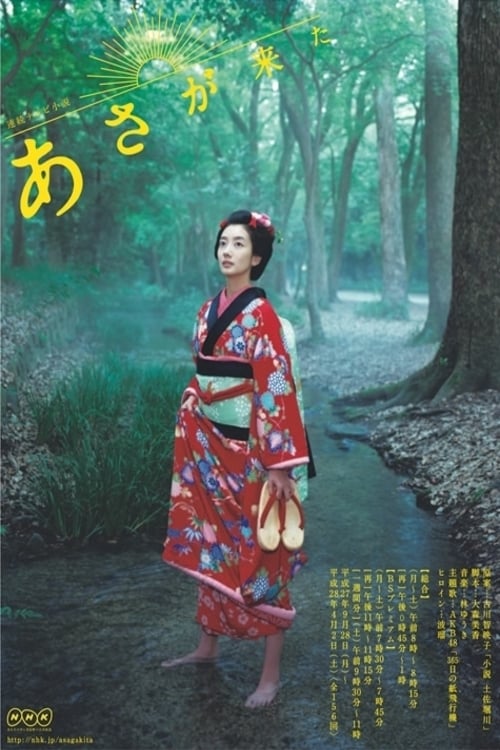

Asa ga Kita
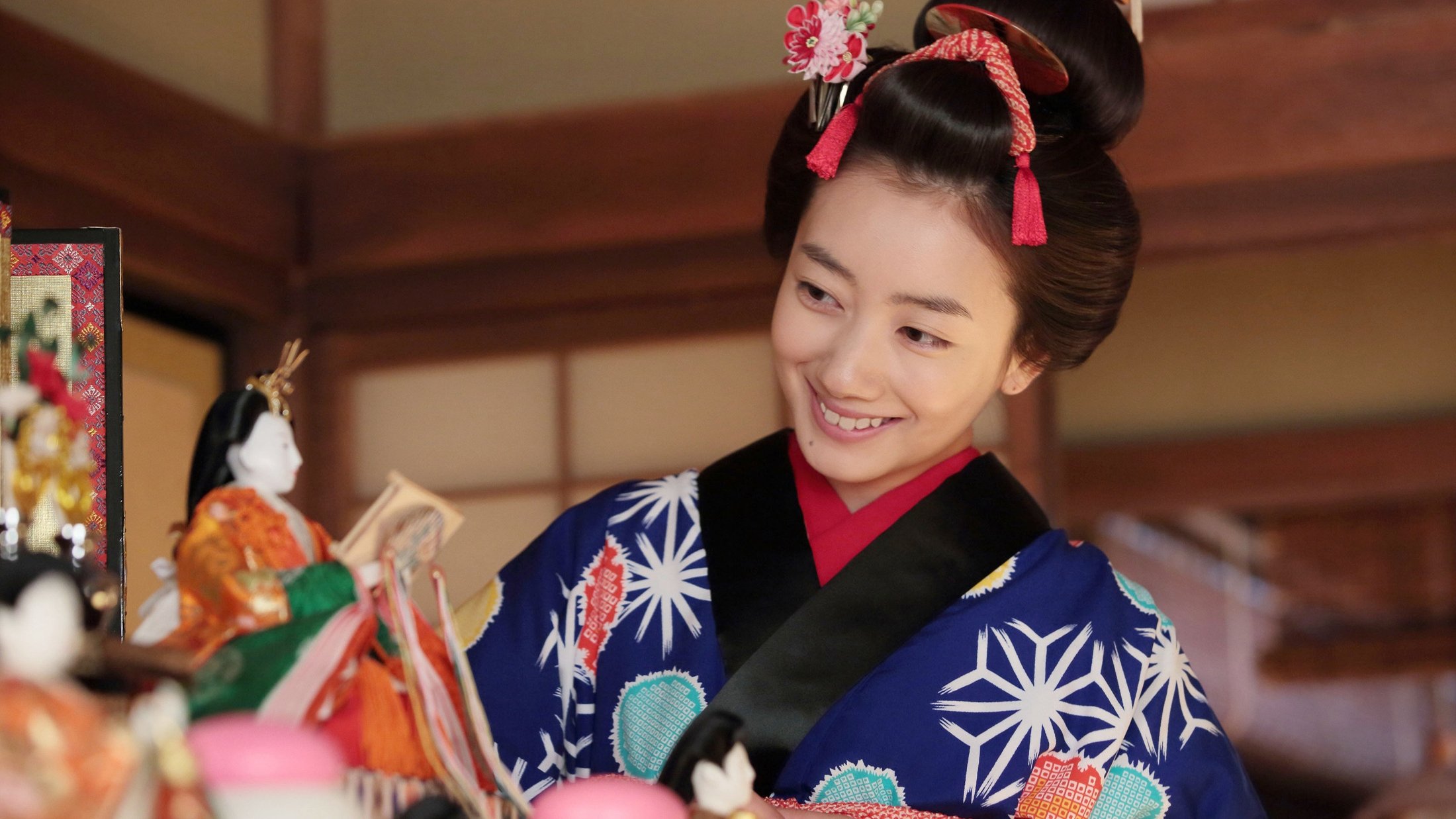
Towards the end of the Edo era, in the town of Kyoto, there lived a wealthy merchant by the name of Imai Tadamasa. He was blessed with 3 children, Hatsu, Asa and Kyutaro. His eldest, Hatsu, was a traditional girl who loved to play the koto and sew. Whilst his second daughter, Asa, was an impish hoyden who loved sumo wrestling. Asa was engaged to be married to the second son of a distinguished family who ran a money changer business in Osaka, Shirooka Shinjiro. Although Asa was furious when she had first heard about the betrothal, when she met up with Shinjiro for the first time, his charisma greatly attracted her and she fell in love with him in no time.
Insights
Plot Summary
The drama follows Hatsu, a determined woman from a wealthy merchant family in the late Edo period. Despite societal expectations, she embarks on a journey of self-discovery and business acumen, eventually becoming a pioneering businesswoman. Her life is intertwined with the changing times and the people she meets, including her husband and the influential figures of the era.
Critical Reception
Asa ga Kita was highly acclaimed in Japan, praised for its strong female lead, intricate plot, and faithful depiction of historical and economic changes. It resonated with audiences for its inspirational story and portrayal of a woman breaking through traditional barriers.
What Reviewers Say
- Praised for its strong, inspiring female protagonist.
- Commended for its detailed portrayal of Meiji-era Japan and economic shifts.
- Lauded for its compelling narrative and character development.
Google audience: Audience reception in Japan was overwhelmingly positive, with viewers appreciating the drama's historical accuracy, the protagonist's resilience, and the exploration of early Japanese capitalism.
Awards & Accolades
None notable internationally.
Fun Fact
The drama is based on the true story of Hatsutaro Imoto, a pioneering female entrepreneur in Japan.
AI-generated overview · Verify ratings on official sources