TV Show spotlight
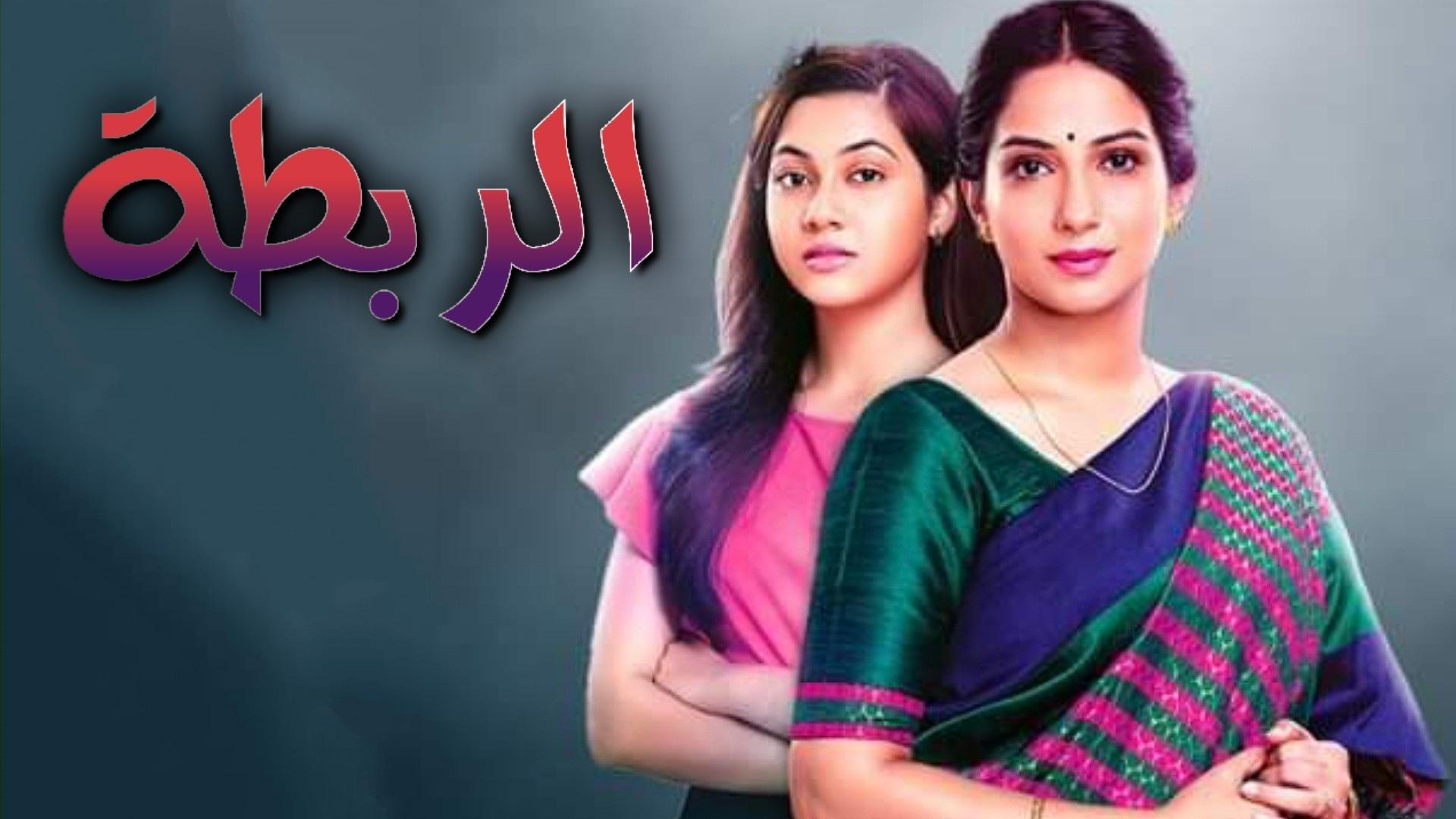
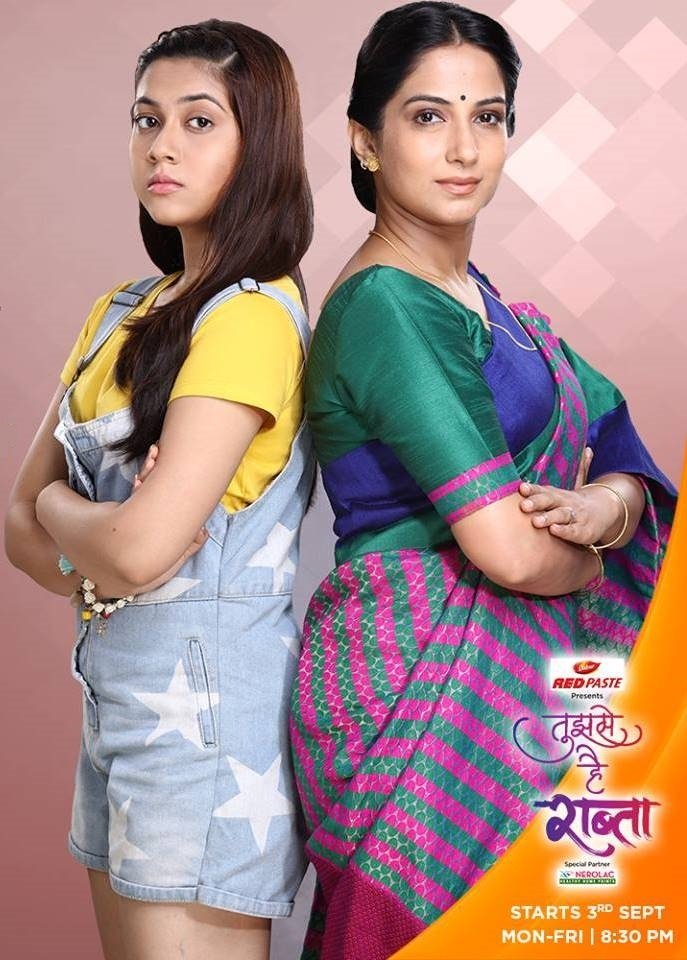
Tujhse Hai Raabta
Tale of a bittersweet relationship between stepmother and daughter.
Insights
Plot Summary
The series follows the life of Kalyani, an orphan who is separated from her father due to a misunderstanding. She is taken in by Damini, a professor, and her husband, who have a son named Malhar. Kalyani and Malhar often clash, but over time, they develop a complex relationship that evolves into love and partnership as they navigate societal pressures and personal challenges together. The narrative explores themes of family, love, sacrifice, and justice.
Critical Reception
As a long-running television series, 'Tujhse Hai Raabta' has garnered a dedicated audience in India and among the diaspora. It is generally well-received for its dramatic storylines, emotional depth, and the chemistry between its lead actors. The show has often been praised for tackling social issues within its narrative framework, though like many daily soaps, it has also faced criticism for prolonged dramatic arcs and occasional plot inconsistencies.
What Reviewers Say
Praised for its engaging storyline and strong performances, particularly from the lead cast.
Appreciated for its emotional depth and exploration of family relationships.
Some viewers find the plot occasionally repetitive or overly dramatic.
Google audience: Audience reviews generally highlight the show's compelling drama and the chemistry between Kalyani and Malhar. Many viewers express emotional connection to the characters and their struggles, finding the series a consistent source of entertainment. Minor criticisms sometimes touch upon the pacing of certain storylines.
Awards & Accolades
None notable for international awards, but has received several Indian Television Academy Awards nominations and wins, including Best Actor and Best Actress.
Fun Fact
The show's title, 'Tujhse Hai Raabta', translates from Hindi to English as 'Our Connection is With You', emphasizing the deep bonds between characters.
AI-generated overview · Verify ratings on official sources