TV Show spotlight
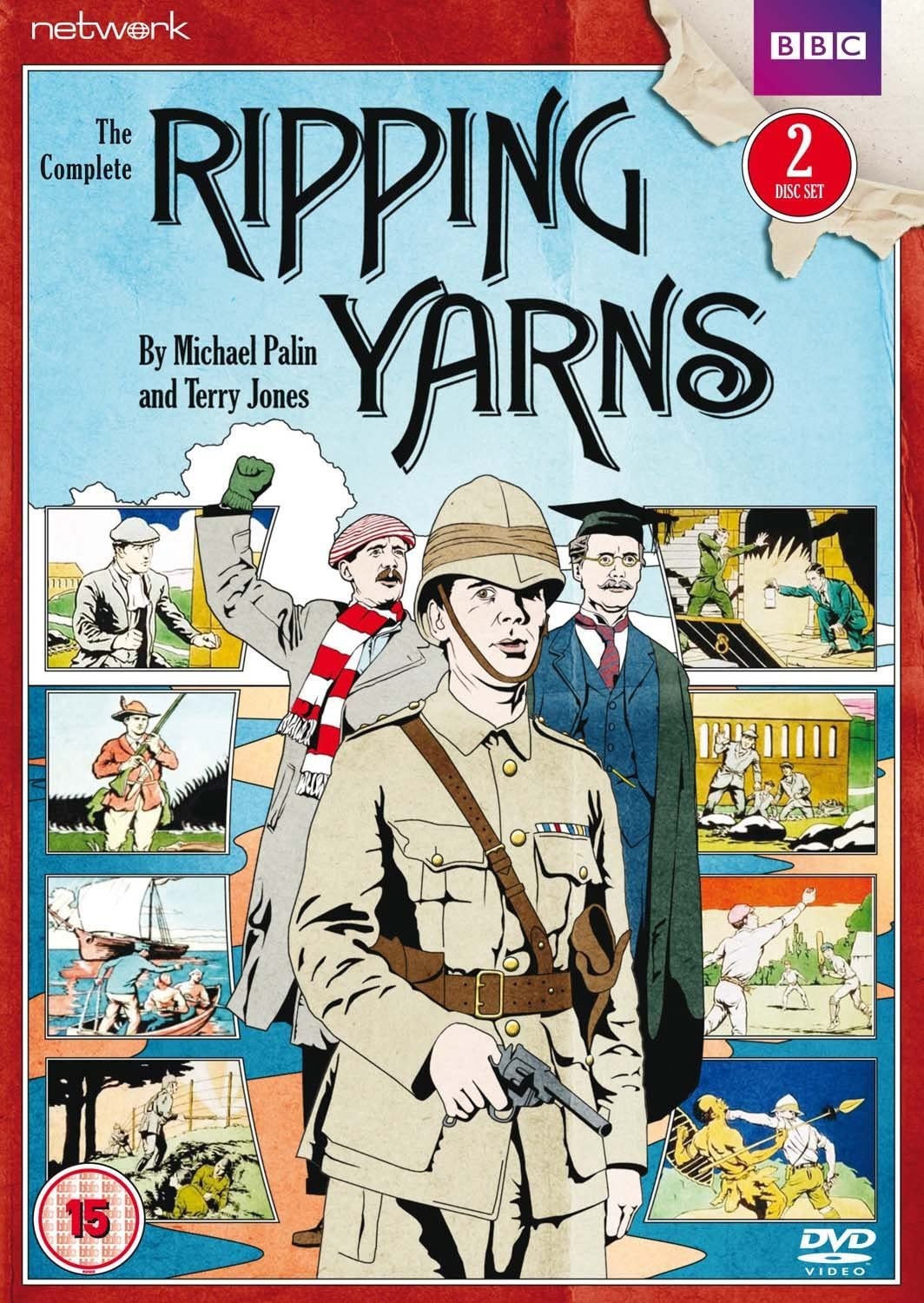
Ripping Yarns
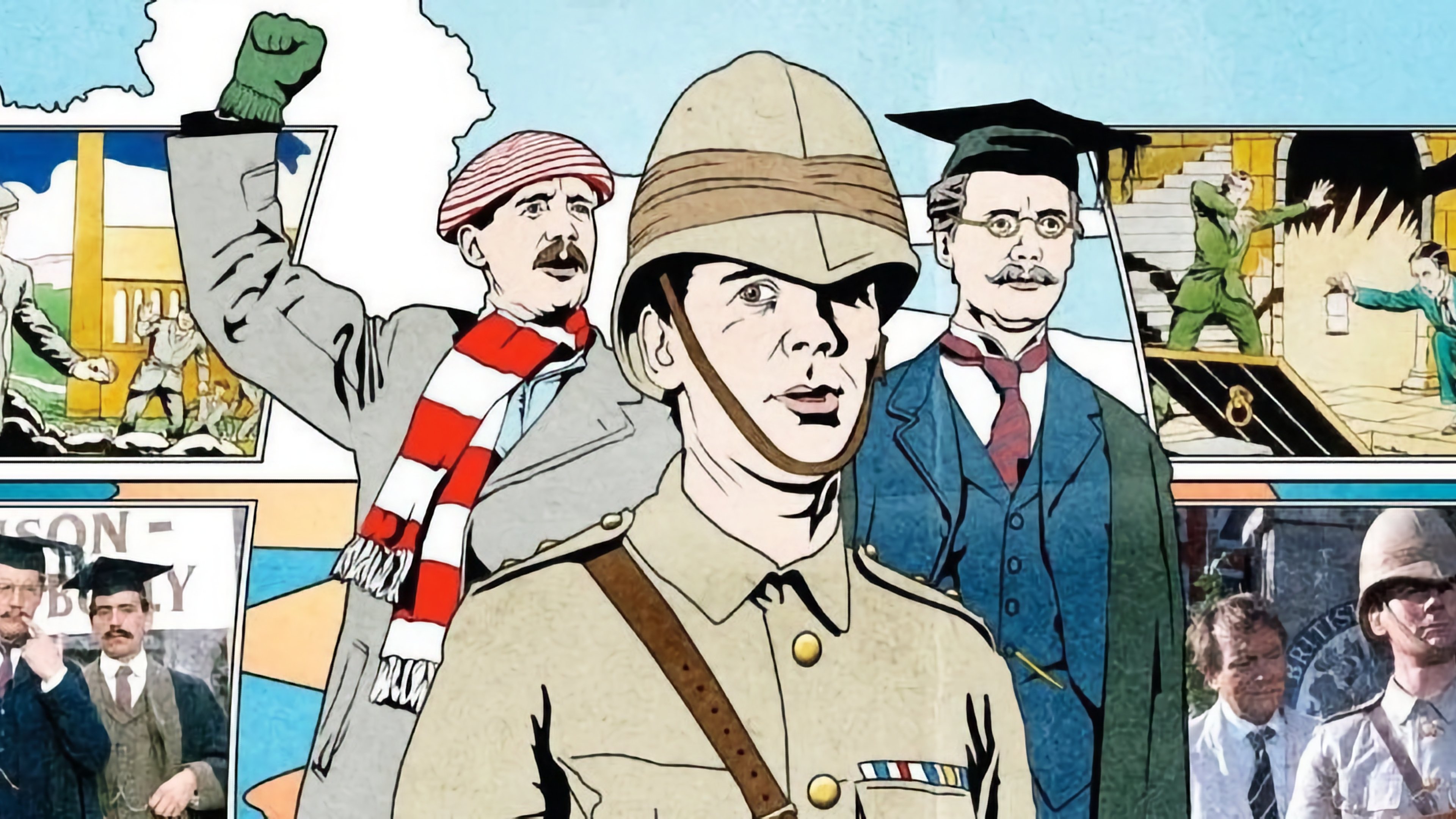
A British television comedy series, written by Michael Palin and Terry Jones of Monty Python fame. Following an initial pilot episode in January 1976, it ran for two subsequent series of five and three episodes in October 1977 and October 1979 respectively. Each episode had a different setting and characters, looking at a different aspect of British culture and parodying pre-World War II literature aimed at schoolboys.
Insights
Plot Summary
Ripping Yarns is a British sketch comedy series created by and starring Michael Palin and Terry Jones of Monty Python fame. Each episode presents a self-contained, fictionalized story, often based on exaggerated versions of Victorian or Edwardian adventure tales, melodramas, and historical events. The series is known for its witty writing, elaborate costumes, and the duo's signature absurdist humor applied to earnest narratives.
Critical Reception
Ripping Yarns was generally well-received by critics and audiences for its clever parodies and the comedic chemistry of Palin and Jones. While not reaching the global phenomenon status of Monty Python, it is considered a beloved cult classic within British comedy. The series' affectionate lampooning of classic adventure stories and its detailed production design were frequently praised.
What Reviewers Say
Praised for its sharp writing and clever parodies of Victorian literature.
Michael Palin and Terry Jones' comedic performances are a highlight.
The series masterfully blends absurdity with authentic-feeling historical settings.
Google audience: Audience reviews often highlight the show's intelligence and unique brand of humor, with many appreciating its faithful yet satirical take on classic adventure stories. Fans frequently cite specific episodes and characters as memorable examples of the duo's comedic genius.
Fun Fact
The opening theme music for 'Ripping Yarns' is an arrangement of the song 'The Vicar of Bray', a popular English folk song from the 17th century.
AI-generated overview · Verify ratings on official sources